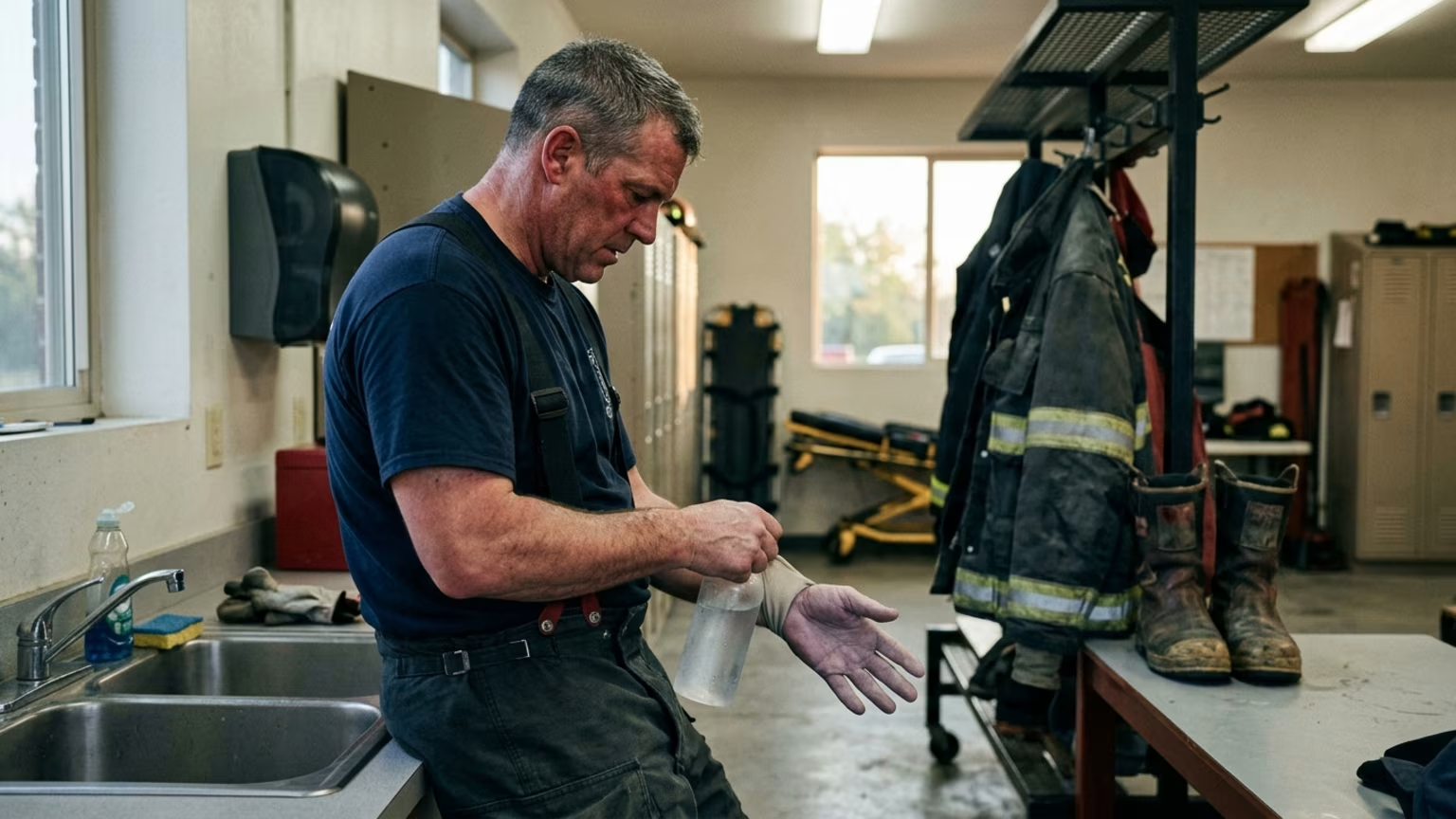

Learn how first responders can manage hydration, heat stress and physical readiness on long shifts. Explore evidence-based strategies for fluid replacement, electrolytes and safe recovery.





Heat stress occurs when the body loses its ability to regulate internal temperature during prolonged exposure to heat, exertion and the loss of fluid and salts through sweat. For emergency responders, this basic physiological challenge is complicated by protective clothing. Personal protective equipment restricts the body's natural cooling process. This means heat stress can develop rapidly even when ambient temperatures appear manageable.
Firefighting and emergency medical work combine environmental heat, radiant heat and metabolic heat from heavy physical exertion. A 2025 field study reported that wildland firefighters averaged 13.8-hour shifts and about 6.7 hours of sleep on fire days. These longer shifts and poorer sleep patterns were associated with reduced cognitive function. Sustaining physical capability across unpredictable hours requires treating hydration as part of a larger fatigue management system.
A three-year University of Canberra study funded by Natural Hazards Research Australia is examining heat stress among firefighters. The researchers identify walking into remote firegrounds, carrying heavy hand tools and working in different protective gear configurations as factors that add significant heat load. These operational demands reduce the opportunity to cool down and rehydrate between active work periods. Hydration planning becomes a critical element of maintaining duty readiness over a long incident.
The broader evidence points toward a cumulative stress model. Heat, dehydration, heavy protective equipment and sleep restriction all interact to break down performance over a long shift. The literature on fluid loss is mixed: one meta-analysis found small cognitive effects from dehydration, while another found no significant overall impairment under its experimental conditions. This means the magnitude of the cognitive effect depends heavily on the specific task, the severity of fluid loss and the level of environmental heat.
Fluid replacement appears more consistently useful for sustained physical work than for short-duration tasks. A systematic review reported a moderate benefit of post-dehydration fluid intake for continuous exercise, particularly in heat. It found less conclusive evidence for intermittent exercise, resistance exercise and cognition. This supports prioritizing hydration during prolonged operations without assuming that drinking will automatically restore physical capacity after every minor task.
Understanding how the body responds to high temperatures helps professionals make better decisions on the ground. Three primary mechanisms drive the human physiological response to extreme exertion in heavy gear:
Identifying the physical and cognitive symptoms of heat-related illness early allows personnel to intervene before a situation becomes critical. Heat-related illness often begins with physical signs like unusual fatigue, persistent headaches, dizziness or nausea. If left unmanaged, these initial deficits can progress rapidly to heat exhaustion or life-threatening heat stroke. Recognizing these signs is a basic requirement for team safety on demanding calls.
Cognitive changes should be treated as direct performance symptoms rather than normal shift fatigue. Slowed decisions, confusion, unusual irritability, poor physical coordination or difficulty following basic instructions indicate a severe deficit. These warning signs should trigger immediate removal from heat and prompt medical evaluation. Pushing through these specific symptoms compromises both individual safety and team capability.
A confused or collapsing responder should never be sent back into heavy protective equipment. Identifying deficits requires active monitoring by supervisors and peers, as the individual experiencing severe heat stress may lose the capacity to self-evaluate. Intervening early preserves manpower and prevents minor heat illness from escalating into a medical emergency.
A defensible approach to fluid replacement treats hydration as one part of a broader heat-control strategy. Setting a rigid fluid intake target is less effective than adapting habits to the specific conditions of a shift. The exact amount of fluid required varies heavily with individual sweat rate, duration, body size and environmental conditions.
Establish access before the call
Carry a planned supply of water and a suitable electrolyte option before a long or physically demanding assignment begins. Relying on post-incident rehabilitation is often insufficient if the active operational period extends for several hours. Proactive staging of fluids allows personnel to maintain baseline hydration during early rest cycles.
Assess the environmental and equipment load
Water and normal meals may be adequate for a routine shift without unusual sweating or prolonged exertion. However, treat hydration differently when operations involve high humidity, radiant heat or heavy protective equipment. Gear reduces heat dissipation, increasing heat-stress risk even when the ambient temperature does not initially appear extreme.
Match sodium intake to sweat loss
Routine shifts in climate-controlled environments do not automatically require concentrated electrolyte products. When heavy sweating occurs over an extended period, replace fluids and electrolytes for heat and sweat management using appropriate beverages or normal food. Sodium replacement becomes highly relevant when substantial sweat losses occur during long operational periods.
Avoid forced overhydration
Drinking excessive volumes of plain water simply because a shift is long can suppress thirst and promote a diuretic response. Responders should avoid deliberately outdrinking their natural thirst, because overdrinking can dilute blood sodium. Electrolyte packets do not neutralize overhydration risk, and excessive fluid intake can still be dangerous.
Use rehabilitation periods deliberately
Active cooling, removing unnecessary equipment layers when permitted and drinking fluids should happen before the next work bout. Treating these periods as strict recovery windows preserves physical capability for the remainder of the incident. Implementing practical meal strategies alongside these fluid practices helps maintain readiness.
Manage caffeine for alertness, not hydration
Firefighter Nation reports that moderate coffee intake can contribute to hydration, but recommends using it for alertness rather than as the main shift fluid. Night-shift personnel must weigh the short-term benefit of caffeine against its potential to disrupt post-shift sleep. Relying heavily on caffeine to push through physical exhaustion can mask the early signs of heat stress.
Plan for comprehensive post-shift recovery
Long shifts and inadequate sleep can reduce cognitive function across the entire work cycle. True recovery includes cooling, gradual rehydration, eating quality food and implementing field-aware sleep protocols. Replacing a single bottle of fluid is not enough to reset the body after a physically demanding tour.
Effective physical maintenance relies on clear protocols rather than reactive drinking when exhaustion sets in. Does your current shift routine rely on arbitrary water targets, or do you actively adjust your fluid and sodium intake based on environmental heat, protective equipment use and cumulative physical exertion?
Assessing when to deploy electrolytes versus plain water requires a clear understanding of environmental conditions and physical exertion, and Rescuris translates these physiological variables into actionable protocols. Sleep disruption from nights, rotating shifts, overtime and unpredictable calls makes consistent recovery difficult, but our research-led guidance helps emergency personnel maintain their physical capability across a demanding career. Explore Resources
Rescuris publishes evidence-aware guidance for firefighters, police officers, paramedics and other first responders on fitness, recovery, sleep, nutrition, stress resilience and long-term capability.






Read practical guidance on first responder fitness, recovery, sleep, nutrition and resilience for demanding work and a long, active career.
read the blog
