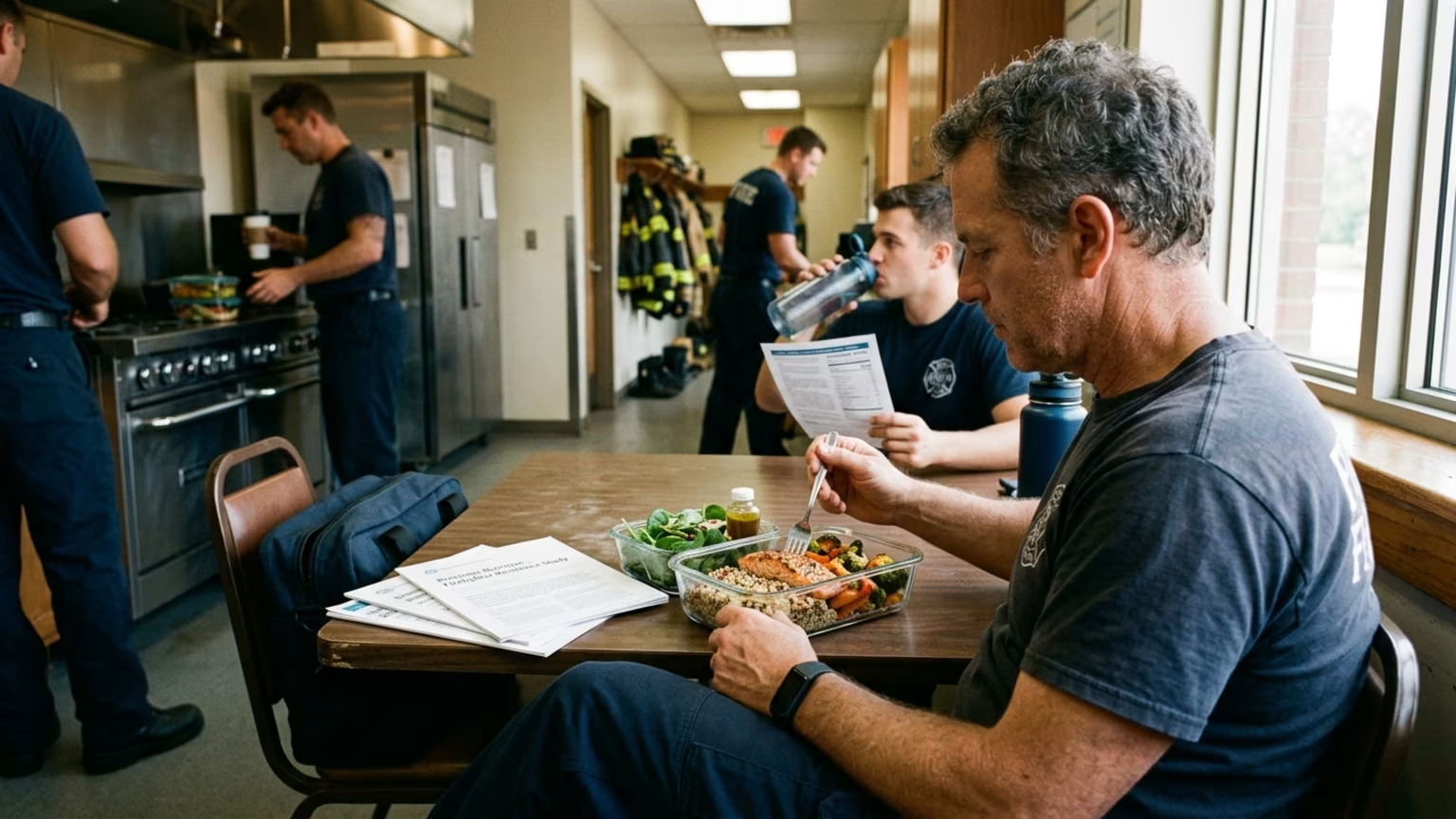

La Voz de Madrid reports on new precision nutrition research for firefighter resilience. We examine how long shifts complicate these tailored fueling strategies.





On September 29, 2026, La Voz de Madrid reported that researcher Cristina Fernández is investigating precision nutrition to support the physical and mental resilience of firefighters. The report outlined a developing research focus on individualized dietary strategies for emergency personnel.
The current reporting highlights an ambition to tailor nutrition to the extreme demands of emergency operations. According to La Voz de Madrid, Fernández is examining how precision nutrition might maintain physical and mental capability. The project represents a growing interest in protecting the long-term health of first responders. It seeks to move beyond generic dietary advice to address the specific metabolic demands of firefighting.
The same La Voz de Madrid report describes a separate project by researcher José Sánchez Costa. His nanoscience work focuses on switchable materials that change properties in response to external stimuli. The article frames both the nutrition research and the nanoscience project as distinct efforts to protect emergency personnel. These dual approaches illustrate the broad scope of current occupational safety research.
However, practical details regarding the nutrition project remain completely unavailable. The initial reporting provides no study design, participant sample size, dietary protocol, or measured outcomes. This lack of concrete data means the concept of precision nutrition for firefighters is currently just a research lead. Agencies must wait for peer-reviewed findings before treating this approach as a proven intervention.
Some early briefs confused this project with other concurrent public health studies. For instance, a recent Particle article actually profiled Deakin University research fellow Ellie Dunlop. Dunlop works on vitamin D in foods and maintains an Australian food-composition database. That specific publication contains no information about firefighter nutrition, Cristina Fernández, or any precision-nutrition project.
The Particle page does note a 95 percent figure regarding Australians' vitamin D intake. This statistic describes general population levels as observed in Dunlop's food-composition work. It does not relate to emergency personnel or the physical resilience of firefighters. Departments should avoid repurposing this general health data as evidence for specialized responder nutrition.
While the precision nutrition project lacks operational data, the need for better fueling strategies remains pressing. Firefighters face documented physiological strain that standard civilian dietary guidelines often fail to address. The Conversation reports that a 2025 field study observed wildland firefighters averaging 13.8-hour shifts on fire days. This extreme workload requires a massive output of physical and mental energy.
During these highly demanding periods, personnel managed about 6.7 hours of sleep per night. This limited recovery window severely restricts the body's ability to repair muscle tissue and replenish energy stores. Operating under these conditions requires a highly practical approach to fatigue management. Fatigue accumulates rapidly when long operational hours combine directly with fragmented rest.
These extended hours directly impact occupational safety and baseline cognitive capability. The 2025 field study found a clear association between poorer sleep, longer shifts, and reduced cognitive function. Firefighters rely on sharp mental acuity to navigate hazardous environments and coordinate complex maneuvers. Reduced cognitive capability significantly increases the risk of preventable injuries on the fireground.
Translating these operational realities into fueling protocols requires a realistic assessment of shift constraints. Personnel frequently struggle to maintain consistent meal timing during unpredictable incident responses. Supplying heavy meals in the middle of a 13.8-hour operational period can cause severe digestive distress. Crews instead benefit from frequent, manageable nutrient intake throughout the duration of the shift.
The current lack of individualized nutrition data means agencies should rely on established methods. Implementing a shift-proof nutrition framework provides a stable foundation for unpredictable schedules. A structured approach to hydration and energy intake provides a necessary buffer against mental fatigue. This basic metabolic support remains the most reliable tool for maintaining operational cognitive function.
The physical wear of wildland firefighting extends well beyond simple caloric expenditure. Carrying heavy protective gear across uneven terrain demands sustained muscular endurance and cardiovascular output. This physical burden drains glycogen stores rapidly during active fire suppression tasks. Departments must prioritize accessible carbohydrate sources to keep personnel moving safely.
Precision nutrition might eventually offer refined strategies for monitoring specific physiological markers. Until then, managing carbohydrate intake and hydration effectively helps personnel sustain their baseline readiness. Understanding the metabolic demands of the job dictates how departments should plan incident food supplies. This approach aligns with the core principles of nutrition for long calls and extended deployments.
Poor sleep alters metabolic hormone regulation over consecutive operational days. When rest is severely limited, the body increases the production of stress hormones to maintain wakefulness. This hormonal shift often increases cravings for high-sugar foods that provide quick but unsustainable energy spikes. Giving in to these cravings creates a cycle of rapid energy fluctuations that compromises steady duty performance.
Firefighters experiencing this cycle often feel deeply lethargic during the middle of their shifts. Managing blood sugar through balanced meals prevents these debilitating crashes when focus is most critical. Providing crews with steady access to proteins and complex carbohydrates stabilizes their energy output across 14 hours. A consistent nutritional baseline helps blunt the negative physiological impacts of severe sleep restriction.
Consistent carbohydrate availability directly protects muscle mass during these grueling operational windows. Dehydration and glycogen depletion force the body to break down muscle tissue for emergency energy. Losing functional strength over a busy fire season leaves personnel highly vulnerable to musculoskeletal injuries. Practical nutrition plans prevent this physical deterioration by keeping energy stores adequately topped up.
Agencies looking to support their crews must consider how nutritional availability directly intersects with exhaustion. Relying on convenient junk food during long shifts exacerbates the energy crashes associated with poor sleep. Crews need steady, predictable sources of fuel to combat the cognitive decline observed in the 2025 study. Establishing clear guidelines for field nutrition helps standardize energy management across the entire department.
Firefighters also need strategies that support their cardiovascular health over decades of service. The intense stress of emergency response places a heavy burden on the heart and blood vessels. While waiting for targeted precision data, personnel can adopt broader protective habits. Following guidelines for heart-healthy nutrition for first responders who need to perform supports both immediate readiness and long-term career longevity.
The news regarding Fernández's research does not alter current daily routines for emergency personnel. Because the project has not published any tested steps, departments should strictly avoid adopting experimental precision-nutrition programs. Implementing unverified dietary plans can cause unnecessary stress and disrupt existing shift preparations. First responders need reliable energy sources rather than speculative commercial supplements.
Personnel should continue prioritizing consistent baseline hydration and predictable daily energy intake. The documented reality of 13.8-hour wildland shifts requires practical food planning before the season even begins. Crews must pack foods that tolerate extreme heat and remain easy to digest under severe physical stress. Departments can review their current incident catering to secure adequate operational fueling options.
Agencies should firmly address the specific logistical challenges of erratic rest cycles. The 6.7 hours of sleep observed in wildland crews leaves virtually no time for pre-shift meal preparation. Expecting exhausted personnel to cook complex meals during this short window is entirely unrealistic. Responders must develop automated routines to keep themselves fed without cutting into vital sleep time.
Responders should focus on preparing simple meals during their off-duty days to reduce operational friction. Batch cooking carbohydrates and proteins allows for rapid packing before an early morning deployment. Applying basic strategies from a rotating shift meal timing framework helps manage this consistent logistical challenge. Having food ready in advance prevents reliance on gas station snacks during long transits.
Packing portable coolers is an essential habit for managing nutrition on extended field assignments. Crews cannot rely on agency catering arriving exactly when their energy levels begin to dip. Keeping familiar snacks in the apparatus guarantees that personnel have immediate access to calories during intense incidents. Apples, nuts, and jerky provide stable energy without requiring any preparation or heating.
Hydration planning requires the same level of deliberate off-duty preparation. Drinking water only when thirsty is insufficient for 13.8-hour shifts in heavy gear. Personnel should arrive at their staging areas already hydrated and carry accessible water systems. Maintaining fluid balance directly protects against the cognitive decline associated with extreme fatigue.
Hydration planning must also account for the heavy sweat rates associated with structural firefighting gear. The physical enclosure of protective equipment traps heat and drastically accelerates total fluid loss. Personnel must replace both water and essential electrolytes to prevent dangerous muscular cramping and heat exhaustion. Departments should provide easy access to electrolyte solutions alongside standard water supplies at staging areas.
Individuals should remain highly skeptical of targeted nutrition products marketed specifically to first responders. Without published findings from Fernández's precision-nutrition project, claims of scientifically tailored firefighter diets lack firm backing. Emergency professionals should stick to whole foods and established macronutrient management principles. Complex commercial systems often add unnecessary cost without delivering measurable improvements in physical capability.
Dietary supplements rarely undergo the rigorous testing required to prove their efficacy in emergency environments. A product that performs well in a controlled gym setting often fails during a 14-hour fireground deployment. Heat stress and extreme physical exertion fundamentally alter how the body absorbs and processes nutrients. Departments must prioritize resilient food sources over unproven powders or proprietary recovery blends.
Vendors frequently use early research headlines to sell unproven supplements to emergency departments. Firefighters should ignore these marketing pushes until clinical trials demonstrate clear operational benefits. Sticking to simple foods like fruits, lean meats, and whole grains provides predictable energy. Mastering the basics of nutrition yields far better results than chasing unverified scientific trends.
The investigation into precision nutrition for emergency personnel represents a promising direction for occupational health. Future developments heavily rely on researchers publishing specific dietary protocols, participant demographics, and measured outcomes. Agencies should actively watch for peer-reviewed studies that track clear biomarkers of fatigue and recovery in active crews. Reliable interventions will require extensive testing in harsh operational environments rather than controlled laboratory settings.
Tracking the progress of this specific study involves watching for concrete data on cognitive and physical markers. Researchers must definitively demonstrate how individualized nutrition directly influences the cognitive decline associated with long shifts. They must also show that precision protocols remain practical for crews managing just 6.7 hours of sleep. A nutrition plan only works if a exhausted firefighter can actually execute it in the field.
Until that robust data becomes available, the emphasis remains firmly on mitigating unpredictable work hours. The connection between sleep, cognitive function, and 13.8-hour shifts will continue driving the conversation around responder resilience. Departments must focus on providing adequate rest periods, practical catering, and consistent operational support. Maintaining basic readiness through proven methods protects crews while the scientific community finalizes its targeted research.
Planning for physical capability and an active life after retirement or leaving service requires separating emerging research from proven operational protocols. Navigating the gap between promising nutritional concepts and the harsh reality of long shifts often feels overwhelming, and Rescuris turns credible evidence into practical guidance built around the realities of demanding duty. Explore Resources
Rescuris publishes evidence-aware guidance for firefighters, police officers, paramedics and other first responders on fitness, recovery, sleep, nutrition, stress resilience and long-term capability.






Read practical guidance on first responder fitness, recovery, sleep, nutrition and resilience for demanding work and a long, active career.
read the blog
