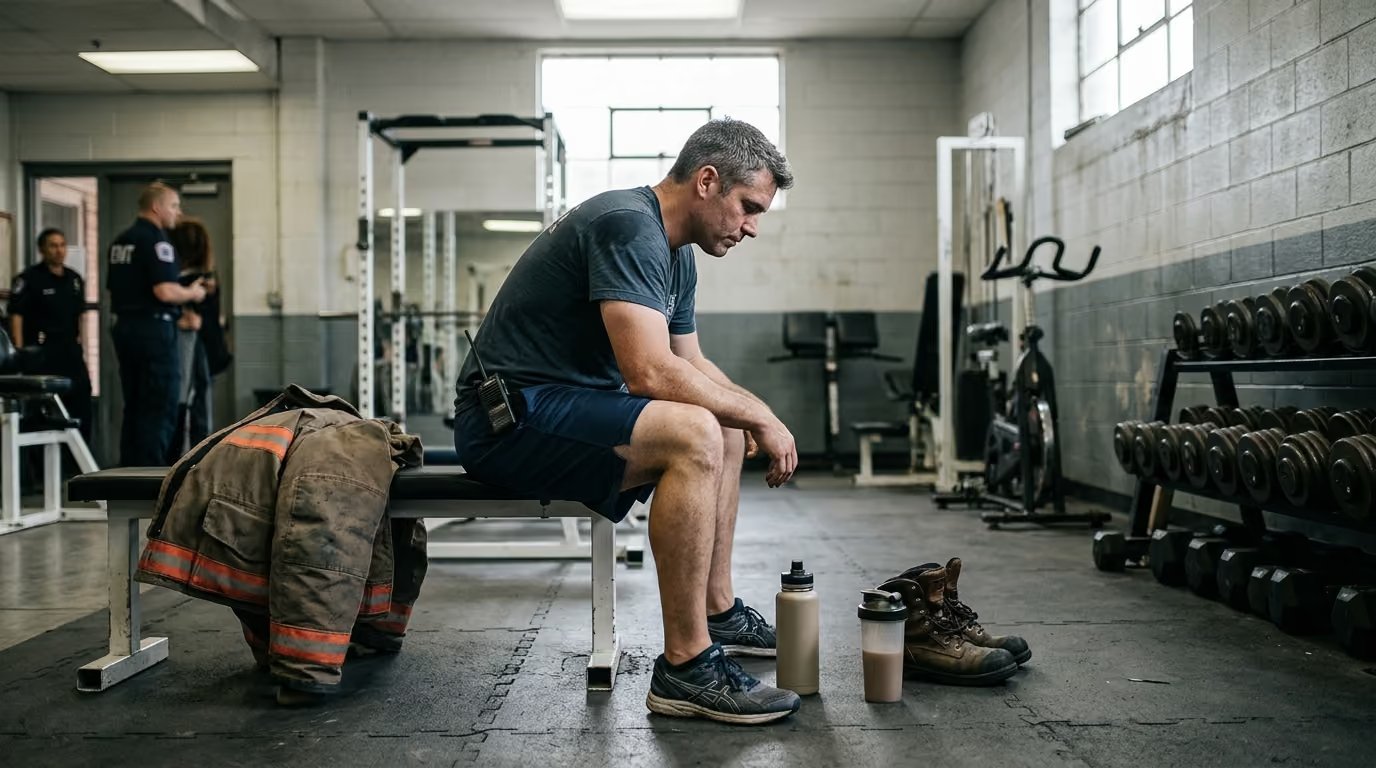

Substance use disrupts natural testosterone production and restorative sleep, creating significant endocrine and health challenges for first responders working demanding shift schedules.





If you are in immediate danger, call 911. For 24/7 support, call or text 988 and press 1 for the Veterans Crisis Line, or text 838255.
Testosterone optimization is often marketed as a simple matter of willpower, aggressive supplementation, or direct hormone replacement. For first responders, endocrine health is never an isolated variable. Hormonal signaling operates within a larger physiological recovery network. This network connects circadian alignment, sleep quality, psychological stress, nutritional intake, and substance exposure.
This guide is not a moral lecture on lifestyle choices or a catalog of tactical shortcuts. It is an evidence-based examination of how alcohol, nicotine, cannabis, opioids, stimulants, and anabolic compounds interact with male hormones and occupational readiness. Understanding these biological pathways allows emergency personnel to evaluate personal habits without shame and make informed decisions that protect both capability and career longevity.
A drop in circulating testosterone or a rise in fatigue is rarely an isolated defect in hormone production. When emergency workers experience low energy, brain fog, reduced strength, low libido, or depressed mood, those symptoms often reflect a system under total load. Substances used to manage shift fatigue, physical pain, or psychological trauma alter endocrine pathways both directly and through sleep disruption. Addressing these patterns requires looking at the entire recovery system rather than chasing an isolated lab value.
Testosterone synthesis in men follows a tightly controlled biological cascade known as the hypothalamic-pituitary-gonadal axis. The process begins in the brain, where the hypothalamus secretes gonadotropin-releasing hormone in rhythmic pulses. This signal prompts the anterior pituitary gland to release two critical messengers: luteinizing hormone and follicle-stimulating hormone. Luteinizing hormone travels through the bloodstream to the Leydig cells in the testes, stimulating the conversion of cholesterol into testosterone. Follicle-stimulating hormone acts on the Sertoli cells to support sperm production.
Once synthesized, testosterone circulates throughout the body in two primary forms. The vast majority binds tightly to sex hormone-binding globulin or loosely to albumin. Only a small fraction, typically one to three percent, remains free and unbound. Total testosterone measures both bound and unbound hormone, while free testosterone represents the fraction readily available to bind to androgen receptors in muscle, bone, brain, and other tissues.
The hypothalamic-pituitary-gonadal axis operates on a continuous feedback loop. When circulating androgens reach adequate levels, they signal the hypothalamus and pituitary to scale back production. When external factors disrupt this feedback loop, testosterone levels decline.
Clinical medicine classifies low testosterone into three distinct categories:
In first responders, low testosterone values most frequently represent functional hypogonadism. Substances introduce chemical stressors that directly alter testicular enzymes, suppress central pituitary signaling, and fragment deep restorative sleep. Because the majority of daily testosterone is synthesized during consolidated slow-wave and rapid eye movement sleep, any substance that disrupts sleep architecture directly suppresses natural hormone production.
Alcohol is one of the most widely used coping mechanisms in emergency services, yet its impact on male hormones is dose-dependent and complex. Acute, low-dose alcohol consumption can produce a temporary, minor spike in measured serum testosterone. Controlled laboratory research has recorded brief increases in circulating testosterone after acute doses around 0.5 grams of alcohol per kilogram of body weight. This transient rise does not reflect improved endocrine health or enhanced recovery. It represents altered hepatic metabolism and temporary changes in clearance rates.
Chronic or heavy alcohol intake produces the opposite effect. Systematic reviews and meta-analyses confirm that regular, heavy alcohol consumption significantly lowers total testosterone, free testosterone, and sex hormone-binding globulin. Chronic alcohol exposure damages the Leydig cells directly, impairing their ability to synthesize steroid hormones. It also suppresses the hypothalamic release of gonadotropin-releasing hormone and reduces pituitary luteinizing hormone secretion.
Alcohol metabolism also strains the liver, an organ central to hormone regulation. Chronic exposure increases the conversion of androgens into estrogens through the aromatase enzyme, further suppressing central gonadotropin release. Poor nutritional absorption, elevated systemic inflammation, and increased abdominal adiposity associated with heavy drinking compound these endocrine deficits.
The most damaging pathway between alcohol and hormonal decline operates through sleep fragmentation. Many shift workers rely on alcohol as a sedative after demanding tours or traumatic calls. While alcohol shortens sleep onset latency, it severely alters sleep architecture during the second half of the night. It suppresses rapid eye movement sleep, increases nocturnal awakenings, and aggravates sleep-disordered breathing.
This pattern frequently develops into a self-reinforcing cycle. A responder uses alcohol to initiate sleep after a high-stress shift, experiences nonrestorative rest, wakes with elevated fatigue and reduced testosterone, and consumes more alcohol the following evening to repeat the process. Over time, this loop degrades physical readiness, mood stability, and metabolic health.
The relationship between nicotine products and male hormones contains a well-documented statistical paradox. A meta-analysis examining 22 studies and over 13,000 men found that cigarette smokers had higher mean total testosterone levels than nonsmokers by approximately 1.53 nmol/L. This statistical association leads some individuals to believe that nicotine improves hormonal health or physical performance.
That conclusion is biologically inaccurate. The apparent elevation in total testosterone among smokers is largely driven by increases in sex hormone-binding globulin and altered hepatic clearance. When sex hormone-binding globulin rises, it binds a greater proportion of circulating testosterone, leaving free, biologically active testosterone relatively unchanged or even reduced. Furthermore, observational studies on smoking are frequently confounded by differences in body mass index, occupational stress, and physical activity levels.
Nicotine is a potent central nervous system stimulant that triggers the release of catecholamines, raising heart rate and blood pressure. When consumed through cigarettes, vapes, or oral nicotine pouches close to bedtime, nicotine delays sleep onset and causes frequent nocturnal micro-arousals. Systematic reviews on substance use and sleep show that nicotine use is consistently associated with higher odds of sleep disturbance and lower sleep satisfaction.
Withdrawal symptoms during the night can cause emergency personnel to wake prematurely, cutting short the critical hours of early morning sleep where peak testosterone synthesis occurs. While switching from combustible tobacco to nicotine pouches or nicotine replacement therapy eliminates combustion toxicants and lowers cancer risks, high daily nicotine intake still places a significant burden on cardiovascular tone and sleep continuity.
Cannabis use has expanded across the general population, and first responders increasingly consider cannabinoids for pain relief, anxiety reduction, and sleep initiation. The scientific literature regarding cannabis and testosterone levels is mixed and often misunderstood. Systematic reviews of long-term human studies have failed to find a consistent, direct suppression of the hypothalamic-pituitary-testicular axis from cannabis alone. Some clinical trials report minor, temporary fluctuations in testosterone, while others show no meaningful deviation from baseline values.
However, the absence of severe direct hypogonadism does not mean cannabis is neutral for physical recovery. Endocrine signaling is influenced by sleep quality, neural stress regulation, and metabolic health, all of which can be altered by regular tetrahydrocannabinol exposure.
First responders frequently use cannabis to quiet racing thoughts and induce sleep after critical incidents. Similar to alcohol, tetrahydrocannabinol can decrease sleep onset latency, helping an individual fall asleep faster. Yet chronic use alters sleep architecture by reducing rapid eye movement sleep and shifting slow-wave sleep patterns. Over time, higher doses and higher-potency products are often required to achieve the same sedative outcome.
The primary recovery challenge with regular cannabis use occurs during withdrawal. Systematic reviews examining cannabis withdrawal in humans show that sleep interruption, vivid nightmares, night sweats, and rebound insomnia are exceptionally common when stopping use. For an emergency worker already managing irregular shift patterns, this rebound insomnia can cause acute sleep deprivation that severely depresses morning testosterone levels. Cannabis may also impair next-day executive function, reaction time, and daytime vigilance during high-stakes emergency operations.
The link between opioid medications and severe endocrine disruption is clear and well-documented. Opioids exert direct, profound inhibitory effects on the central nervous system. A comprehensive systematic review and meta-analysis published in major endocrine literature reported that approximately 63% of male patients on long-term opioid therapy develop clinical hypogonadism.
Opioid-induced androgen deficiency occurs because opioids bind to mu-opioid receptors in the hypothalamus. This action directly halts the pulsatile release of gonadotropin-releasing hormone. Without this primary stimulus, the pituitary gland stops producing luteinizing hormone and follicle-stimulating hormone. As a result, testicular Leydig cells receive no stimulation, causing serum testosterone levels to plummet rapidly, often to castrate ranges.
In addition to suppressing reproductive hormones, chronic opioid therapy can impair the hypothalamic-pituitary-adrenal axis, producing central hypocortisolism in up to 24% of users. This dual hormonal suppression leaves individuals with profound fatigue, exercise intolerance, low blood pressure, loss of muscle mass, decreased bone mineral density, and severe depressive symptoms.
First responders often encounter opioids legitimately following orthopedic injuries sustained on duty, structural collapses, violent physical encounters, or surgical repairs. When an injured firefighter, police officer, or paramedic struggles to regain energy and strength months after an injury, the underlying cause is frequently unaddressed opioid-induced hypogonadism rather than a lack of motivation.
Abrupt discontinuation of prescribed opioids is unsafe and can trigger severe autonomic withdrawal, pain amplification, and psychological distress. Responders taking opioids for chronic occupational pain require coordinated medical care that evaluates hormone levels while exploring non-opioid pain strategies.
Emergency services demand sustained cognitive alertness across non-circadian hours, driving heavy reliance on caffeine, energy beverages, pre-workout supplements, and prescription stimulants. While stimulants do not typically destroy testicular tissue or directly block androgen receptors, their indirect effects on endocrine function are substantial.
Stimulants function primarily by blocking adenosine receptors in the brain or increasing central dopamine and norepinephrine levels. Adenosine is a neurochemical that accumulates during waking hours, generating homeostatic sleep pressure. By blocking these receptors, caffeine artificially masks the body's internal signal of exhaustion. It creates perceived alertness while the underlying physiological sleep debt remains unaddressed.
For first responders working rotating schedules, stimulant timing often collides directly with daytime recovery sleep. Consuming high-dose stimulants late in a shift prolongs sympathetic nervous system activation, elevates circulating cortisol, and impairs core temperature reduction. These physiological changes delay sleep onset and shorten total sleep duration. When emergency workers repeatedly truncate their sleep to under five or six hours per night, their natural testosterone synthesis drops sharply.
Heavy stimulant use can also trigger a destructive cycle of stimulant-sedative stacking:
When planning nutrition and hydration around irregular duties, managing stimulant timing is essential for protecting the biological recovery window.
Given the prevalence of fatigue, physical wear, and demanding physical standards, some first responders consider non-medical testosterone replacement or anabolic-androgenic steroids to accelerate recovery. These compounds present serious endocrine risks that are often downplayed in gym culture and online marketing.
When synthetic androgens are introduced into the body, the hypothalamus and pituitary detect supra-physiological hormone concentrations. The body responds by shutting down its own production through negative feedback loops. The brain ceases secretion of gonadotropin-releasing hormone, luteinizing hormone, and follicle-stimulating hormone.
Without internal stimulation, the testes undergo atrophy, and natural sperm production drops to near zero, causing primary infertility. While a blood test taken during active steroid use may show elevated total testosterone, this reading represents the injected synthetic compound, not a functioning endocrine axis.
Non-medical steroid use carries additional occupational and cardiovascular hazards:
Over-the-counter "testosterone boosters" should be approached with equal caution. Independent laboratory analyses frequently find that these supplements contain unlisted stimulants, prohormones, or heavy metals while lacking robust clinical proof of efficacy.
Occupational research confirms that shift work, sleep disruption, and traumatic stress create a compounding physiological challenge for first responders. A meta-analysis examining emergency personnel identified high baseline rates of sleep pathology: shift-work disorder was estimated at 31%, obstructive sleep apnea at 30%, insomnia at 28%, and excessive daytime sleepiness at 28%.
Public safety studies show that sleep deprivation affects 59% of firefighters, while poor sleep quality is reported by 64% of EMS clinicians and 51% of law enforcement officers. Circadian misalignment and sleep fragmentation directly suppress natural hormone production. Even in young, healthy men, experimental sleep restriction to five hours per night for just one week reduces daytime testosterone levels by 10% to 15%.
Post-traumatic stress and chronic hyperarousal exacerbate this vulnerability. Research indicates that post-traumatic stress disorder rates range from 7% to 37% across first responder cohorts, with hazardous alcohol use frequently serving as a secondary coping mechanism. When emotional trauma, broken sleep, and chemical exposure overlap, the endocrine system responds with a state of chronic functional hypogonadism.
These physiological stressors also create diagnostic traps. If a firefighter has blood drawn immediately following an arduous 24-hour shift involving three night calls and poor hydration, the resulting testosterone measurement will almost certainly be low. Diagnosing primary hypogonadism based on that single reading is clinically inappropriate. The low value reflects acute biological exhaustion and circadian strain rather than permanent testicular failure.
Evaluating substance use and hormonal health requires a structured, nonjudgmental approach. The SAFE-R framework helps emergency personnel evaluate their daily habits, recognize early signs of physiological decline, and determine when to adjust their routine or seek clinical guidance.
Begin by analyzing the underlying schedule rather than the substance itself:
Objectively track what you consume, when you consume it, and why:
Evaluate how these habits affect your daily performance and personal life:
Monitor physical signs of hormonal and metabolic strain:
Develop an actionable plan focused on harm reduction and health restoration:
Navigating testosterone testing requires strict adherence to clinical standards to prevent misdiagnosis and inappropriate treatment. The Endocrine Society clinical practice guidelines outline clear diagnostic criteria for male hypogonadism:
First responders must navigate specific procedural considerations when scheduling laboratory testing:
Testosterone replacement therapy is a legitimate medical treatment for confirmed, organic hypogonadism. However, it is not a cure-all for shift work exhaustion. Initiating hormone therapy without addressing underlying sleep apnea, heavy drinking, or occupational burnout leaves the primary drivers of poor health unmanaged.
Making meaningful changes to substance patterns, medication use, or hormone therapies involves distinct medical and occupational safety considerations.
Quitting substances abruptly without medical oversight can be dangerous:
First responders must hold operational safety as an absolute priority. Never report for active emergency duty, operate emergency apparatus, handle firearms, or deliver patient care while experiencing active withdrawal symptoms, severe sedative hangovers, or acute substance intoxication. If personal changes to substance habits impair physical coordination, emotional stability, or cognitive reaction times, coordinate with medical professionals to take medical leave or modified duty.
Managing the overlapping challenges of occupational trauma, chronic pain, substance use, and physical exhaustion can become overwhelming. If you or a colleague are experiencing overwhelming distress, emotional crisis, or thoughts of self-harm, immediate professional support is available:
Building a lasting career in emergency services requires protecting your physical health, mental resilience, and hormonal foundation. Learning how to manage stress through targeted down-regulation between calls provides healthy, sustainable alternatives to chemical coping mechanisms.
Yes. In the absence of irreversible, end-stage liver cirrhosis or permanent testicular damage, functional hypogonadism caused by alcohol is largely reversible. When alcohol consumption is reduced or eliminated, hypothalamic and pituitary signaling improves, testicular steroidogenesis recovers, and sleep architecture normalizes. The timeline for hormonal recovery varies from several weeks to several months depending on the duration of heavy use, overall nutritional status, sleep continuity, and underlying metabolic health.
Vaping and oral nicotine pouches eliminate combustion toxicants, tar, and carbon monoxide, substantially lowering pulmonary and oncological risks. However, the pharmacological actions of nicotine on the endocrine and nervous systems remain the same. High doses of nicotine from pouches or e-cigarettes still activate the sympathetic nervous system, raise nocturnal blood pressure, elevate evening cortisol, and disrupt deep sleep stages. Switching away from combustible tobacco is a major health victory, but managing overall nicotine timing and intake remains necessary to protect sleep-driven testosterone production.
Testosterone synthesis follows a circadian rhythm, peaking during the final hours of unbroken sleep and reaching its lowest point in the late afternoon. For standard day workers, an early morning fasting sample accurately captures this biological peak. For shift workers working overnight or rotating shifts, drawing blood at 08:00 following an active, sleepless tour captures the nadir of an exhausted endocrine system. To obtain an accurate assessment, shift workers should test on an off-duty day after their longest, most consolidated sleep period.
Yes. Obstructive sleep apnea causes intermittent nocturnal hypoxia and frequent micro-arousals that disrupt slow-wave and rapid eye movement sleep. Because the majority of daily testosterone is synthesized during these consolidated sleep cycles, untreated sleep apnea suppresses circulating androgens. Clinical research shows that consistent use of positive airway pressure therapy reduces nocturnal awakenings, restores physiological oxygenation, and can significantly improve natural daytime testosterone levels and daytime energy.
Achieving sustainable physical capability across an emergency-services career depends on treating sleep, nutrition, stress, and substance exposure as an interconnected biological system. Protecting the hormonal axis is not about pursuing quick fixes, but about establishing sustainable recovery habits that preserve health on duty and throughout retirement.
Stay connected for research-led guidance on duty fitness, shift-work sleep, injury recovery, stress, nutrition and career longevity. Practical ideas for first responders who want to stay capable on the job, recover well and protect their health for the long run.



Read practical guidance on first responder fitness, recovery, sleep, nutrition and resilience for demanding work and a long, active career.
read the blog



