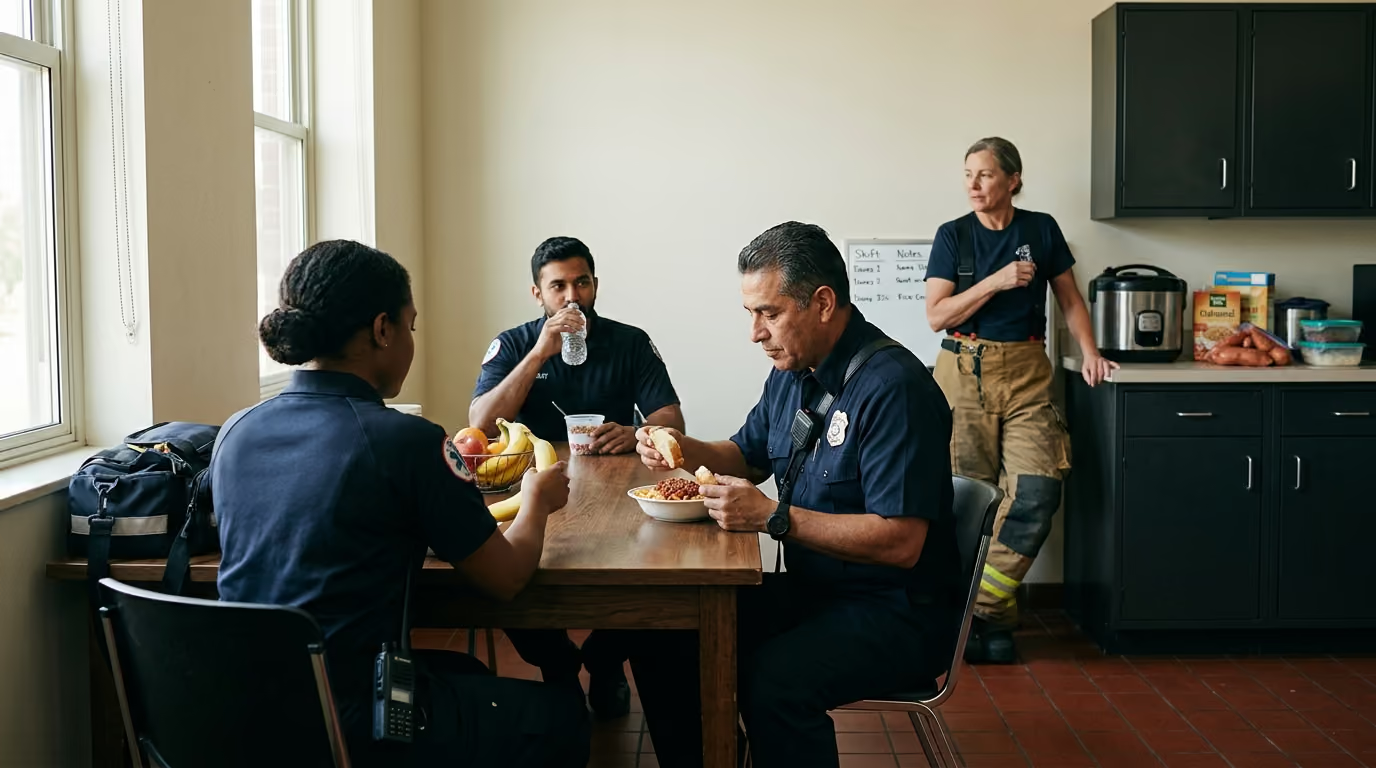

Fourteen-hour fireline shifts and intense emergency calls require strategic carbohydrate timing to maintain glycogen stores, mental alertness, digestive comfort, and physical readiness.





Cutting carbohydrates is often promoted as the standard path to physical readiness and lean body composition. For emergency personnel, however, chronic carbohydrate restriction frequently leads to sudden performance drops during high-intensity calls, prolonged brain fog, and compromised recovery across consecutive shifts. Tactical readiness requires rapid muscular power, sustained physical endurance, and clear cognitive processing under extreme acute stress. Carbohydrate is the primary biological fuel that supports all three.
Carbohydrate needs for first responders are not uniform. They vary dramatically between sedentary station duty, structural firefighting, extended wildland operations, physical training sessions, and overnight patrol shifts. Meeting operational demands requires matching carbohydrate intake to actual physical output, choosing easily digested sources close to high-intensity tasks, prioritizing complex sources during resting periods, and managing digestive tolerance when working in personal protective equipment or high heat.
Skeletal muscle stores carbohydrate as muscle glycogen, which serves as a dedicated, local energy source during intense muscular work. The liver stores carbohydrate as liver glycogen, releasing glucose into the bloodstream to keep blood sugar stable and maintain central nervous system function. Research shows that high-intensity efforts such as advancing charged hose lines, conducting rapid victim extrications, sprinting during foot pursuits, climbing flights of stairs with heavy kit, and executing defensive tactics draw heavily on muscle glycogen stores. When muscle glycogen drops below critical levels, physical power drops rapidly, rate of perceived exertion climbs, and high-intensity work output cannot be sustained.
The brain and central nervous system rely on steady blood glucose to maintain situational awareness, rapid reaction times, emotional regulation, and complex decision-making during high-stress calls. Prolonged physical work or long stretches without food deplete liver glycogen, leading to systemic hypoglycemia. When blood glucose drops, first responders experience mental fatigue, slower processing speeds, and impaired motor coordination. Occupational data from wildland firefighters demonstrates that eating regular, carbohydrate-containing meals throughout a work shift significantly improves late-day work capacity, maintains alertness, reduces subjective fatigue, supports immune function, and shortens total recovery time.
Evidence from sports nutrition and tactical athlete research establishes that carbohydrate availability directly dictates performance during intermittent, high-output physical demands. The International Society of Sports Nutrition position stands on nutrient timing and tactical performance indicate that low daily carbohydrate intake compromises high-intensity performance capacity over consecutive days of demand. While resting metabolic rate and low-intensity tasks can be fueled by dietary fats, high-intensity anaerobic tasks depend strictly on carbohydrate metabolism. Emergency response rarely offers the luxury of choosing work intensity, which makes adequate glycogen storage an essential baseline for operational readiness.
Carbohydrate intake also affects hormonal balance and immune resilience during periods of heavy physical demand combined with sleep disruption. Consecutive shifts with inadequate carbohydrate intake elevate circulating cortisol levels, suppress thyroid hormones, and impair muscle protein synthesis. First responders who chronically underfuel their training and duty shifts often experience persistent muscle soreness, restless sleep, and frequent upper respiratory infections. Ensuring adequate carbohydrate availability protects lean mass, supports endocrine health, and maintains physiological resilience across an entire working career.
Daily carbohydrate requirements should reflect total daily energy expenditure, body mass, training intensity, and operational environment rather than static diet trends. A responder sitting on a slow ambulance rotation needs substantially less carbohydrate than a firefighter clearing brush on a 14-hour wildfire shift or an officer completing a demanding strength and conditioning block before duty. A flexible, tiered framework allows personnel to adjust their daily intake up or down based on expected demands.
For a responder weighing 90 kilograms (approximately 198 pounds), these target ranges translate into distinct daily totals:
These numbers demonstrate why single pre-shift meals are insufficient for high-output work. Meeting higher carbohydrate ranges requires a distributed meal plan throughout the day. Responders should view daily carbohydrate as fuel for operational readiness and physical recovery rather than viewing it with fear or moral judgment.
Establishing a consistent baseline requires understanding which foods provide quality carbohydrates in sufficient density. Whole foods with varying digestion speeds form the foundation of a dependable nutritional plan. Building a versatile pantry helps personnel meet their target ranges without relying entirely on processed convenience foods.
On lower-demand days, responders can prioritize fiber-rich whole grains, legumes, root vegetables, and fresh fruits to support digestive health, promote satiety, and stabilize blood sugar. On days featuring high-volume training sessions or grueling operational calls, personnel can incorporate lower-fiber, rapidly digested sources like white rice, bagels, fruit juices, and sports drinks to reach elevated intake targets without creating gastrointestinal discomfort or excessive fullness. Adjusting intake based on real-world demands supports stable energy levels while preventing unwanted changes in body composition.
Entering a demanding training session, fitness evaluation, or active patrol shift with depleted glycogen reduces work capacity and accelerates physical exhaustion. A dedicated pre-event fueling strategy delivers readily available blood glucose, tops off liver glycogen after sleep, and minimizes stomach discomfort during sudden bouts of maximal exertion. Timing and food composition dictate how effectively nutrients are digested and utilized under operational stress.
When eating two to four hours prior to training or duty, responders should consume a balanced, carbohydrate-focused meal providing roughly 1 to 4 grams of carbohydrate per kilogram of body mass. This meal should feature moderate protein, lower fat, and low-to-moderate dietary fiber to allow adequate gastric emptying. For a 90-kilogram responder, this equates to a meal containing 90 to 180 grams of carbohydrate. Effective meal options include oatmeal prepared with low-fat milk, berries, and a scoop of protein powder, or a large bowl of white rice paired with grilled chicken breast and cooked carrots.
When time is constrained to 30 to 60 minutes before training or a high-output assignment, whole-food meals with high fat or high fiber must be avoided. High amounts of dietary fiber, fat, and protein delay stomach emptying and draw fluid into the intestinal tract, which frequently triggers severe nausea, cramping, and acid reflux when working at high heart rates. In these brief preparation windows, personnel should choose rapidly absorbed, low-residue carbohydrates providing approximately 30 to 60 grams of easily metabolized fuel.
First responders often begin early morning shifts in a completely fasted state after six to eight hours of overnight fluid and carbohydrate depletion. While fasted low-intensity movement is manageable, responding to an immediate multi-alarm fire or intense tactical callout in a fasted state impairs peak power output and rapid decision-making. Consuming a small, fast-digesting carbohydrate snack while gearing up or riding in the apparatus provides an immediate blood glucose buffer without overloading the digestive tract. Coordinating practical options through a first responder shift nutrition framework ensures snacks remain readily accessible in personal gear or response vehicles.
Prolonged emergency responses, multi-hour structural incidents, hazmat mitigations, extended search-and-rescue operations, and wildland fire deployments create sustained physiological strain that rapidly depletes endogenous carbohydrate stores. When physical exertion extends beyond 60 to 75 minutes, consuming carbohydrates during the activity sustains power output, delays central nervous system fatigue, and prevents severe blood glucose crashes. First responders must balance fuel intake against the physical constraints of wearing heavy gear, working in extreme ambient heat, and having limited pauses for consumption.
Standard sports nutrition consensus guidelines recommend consuming 30 to 60 grams of carbohydrate per hour during prolonged, intermittent high-intensity work. For extreme endurance events lasting longer than 2.5 hours, elite athletes sometimes consume 60 to 90 grams per hour using multiple transportable carbohydrates like glucose-fructose blends. However, emergency responders working in turnout gear or tactical armor face high core body temperatures and diverted blood flow from the gut to the skin for thermoregulation. Because high core temperatures reduce gastrointestinal absorption, attempting to consume 90 grams per hour during structural firefighting or intense operations can lead to acute gastric distress, nausea, and vomiting.
For most operational field scenarios, a practical intake rate of 30 to 45 grams of carbohydrate per hour provides adequate fuel while protecting digestive stability. Achieving this target requires portable, shelf-stable, and easily consumable options that do not require refrigeration, extensive chewing, or complicated preparation. Responders should pack options that combine hydration with rapidly absorbed energy.
The physical nature of shift work means personnel are rarely active for twelve continuous hours. Instead, long periods of low-intensity monitoring or staging are punctuated by sudden, maximal efforts. Responders should not consume 60 grams of simple carbohydrates every single hour of a shift while seated in an apparatus or waiting at the station. Hourly fueling should be applied during sustained active physical work, with ordinary mixed meals used during baseline station hours. When planning training around these demands, utilizing first responder training around shift work helps align energy availability with physical stress.
When an emergency responder completes a grueling fire ground operation, a heavy training session, or an exhausting tactical deployment, muscle glycogen stores are significantly depleted. If the next work shift or conditioning workout is separated by 24 to 48 hours, consuming standard daily carbohydrate targets across ordinary meals will naturally restore muscle glycogen over time. However, first responders frequently face rapid turnarounds, mandatory overtime, multi-alarm recalls, or double shifts that allow fewer than four to eight hours of recovery before the next physical demand begins.
Under short-turnaround conditions, passive nutritional recovery is too slow to restore functional readiness. The rate of glycogen resynthesis is highest during the first two hours immediately following heavy exertion because muscle cells display enhanced insulin sensitivity and elevated levels of glycogen synthase enzyme activity. The International Society of Sports Nutrition position stand on nutrient timing outlines two evidence-based strategies for rapid glycogen restoration when recovery time is limited:
For a 90-kilogram emergency responder, the combined strategy translates to roughly 72 grams of carbohydrate and 18 to 36 grams of protein consumed every hour for the first two to three hours following the call. Combining rapidly digested carbohydrates with quality dietary protein stimulates insulin secretion to a similar degree as higher carbohydrate doses alone. This combination accelerates glycogen storage while simultaneously kickstarting muscle protein synthesis, reducing muscle soreness, and decreasing structural muscle breakdown.
Immediate recovery nutrition does not replace a comprehensive, nutrient-dense post-shift meal. It functions as a crucial physiological bridge when extreme physical fatigue, apparatus cleanup, administrative paperwork, or vehicle travel delays access to a full meal. Once immediate fueling is complete, personnel should transition back to balanced, whole-food meals containing carbohydrates, quality protein, healthy fats, and micronutrients.
Gastrointestinal distress is one of the most common yet rarely discussed operational challenges in emergency services. Responding to emergency calls involves acute sympathetic nervous system activation, which diverts blood flow away from the stomach and intestines toward working skeletal muscles, the heart, and the lungs. This stress-induced reduction in splanchnic blood flow slows gastric emptying, alters intestinal permeability, and magnifies gastrointestinal sensitivity. Consuming high-fiber, high-fat, or high-fructose foods immediately before or during high-stress calls frequently triggers severe cramping, bloating, nausea, gastroesophageal reflux, and urgent diarrhea.
To prevent digestive disruption during training and duty, personnel must understand how different carbohydrate types, dietary fiber, and meal osmolarities affect the gastrointestinal tract under physical and emotional stress.
Responders who experience sensitive digestion or exercise-induced gastrointestinal symptoms should implement a low-residue nutrition strategy during the four to six hours leading up to intense shifts or testing events. A low-residue approach temporarily minimizes foods that leave undigested bulk in the digestive tract, such as raw leafy greens, bean dishes, high-bran cereals, nuts, seeds, and tough vegetable skins. Shifting to easily digestible, low-fiber carbohydrates like white jasmine rice, cream of rice cereal, peeled potatoes, plain white sourdough bread, and ripe bananas ensures reliable glycogen availability without irritating the bowel.
For personnel with persistent, unexplained digestive distress, a temporary trial of a low-FODMAP diet may be warranted. FODMAPs (Fermentable Oligosaccharides, Disaccharides, Monosaccharides, and Polyols) are short-chain carbohydrates that ferment rapidly in the large intestine, drawing excess water and producing gas. High-FODMAP foods commonly consumed in station cooking include onions, garlic, apples, watermelon, wheat-heavy pastas, milk, and sugar-free products containing polyols like sorbitol, xylitol, and maltitol. Systematically identifying and moderating personal dietary triggers during off-duty training blocks helps establish a reliable, ironclad nutrition routine that performs flawlessly under actual field conditions.
Working overnight shifts creates significant physiological and metabolic friction. Circadian biology naturally downregulates insulin sensitivity, digestive enzyme secretion, gastric motility, and glucose tolerance during the biological night. Research demonstrates that consuming large, carbohydrate-dense meals during late-night hours results in exaggerated postprandial glucose spikes, prolonged elevations in circulating triglycerides, and altered metabolic markers compared to consuming identical meals during daytime hours. Furthermore, attempting to digest a heavy meal while trying to sleep during daytime rest windows causes severe sleep fragmentation, acid reflux, and elevated core body temperature.
Emergency responders must balance the need to fuel unexpected, high-intensity middle-of-the-night calls against the metabolic consequences of unnecessary late-night eating. The goal is to fuel real physical work without turning overnight hours into an unstructured, continuous grazing session driven by boredom or fatigue.
Before reporting for night duty, personnel should consume a robust, well-balanced anchor meal that provides complex carbohydrates, lean protein, and healthy fats to support sustained baseline energy. During the first half of the shift, a planned, moderate meal keeps hunger stable without overloading the digestive tract. Between 0200 and 0600, when metabolic efficiency reaches its lowest point, routine snacking on station pastries, candy, and refined chips should be actively avoided.
If an emergency tone drops for an extended structural fire, entrapment extrication, or violent search during the late-night hours, biological rules temporarily shift. Acute high-intensity survival and rescue demands take precedence over resting circadian guidelines. Personnel should utilize portable, rapidly digested carbohydrates such as sports drinks, energy gels, or a piece of fruit to provide immediate muscular fuel for the incident. Once the incident is cleared and the unit returns to station, the responder should return to light, restful hydration rather than consuming another large meal.
Managing nutrition before morning sleep is critical for deep recovery. Heading to bed completely ravenous elevates circulating stress hormones and triggers early wakefulness, while eating a massive, greasy breakfast causes heartburn and sleep disruption. A modest recovery snack combining 20 to 30 grams of simple carbohydrates with 15 to 20 grams of light protein, such as a small bowl of oatmeal with protein powder, low-fat cottage cheese with sliced peaches, or a piece of toast with a boiled egg, promotes serotonin and melatonin synthesis while allowing comfortable daytime sleep. Implementing targeted eating night shift circadian rhythm protocols and coordinating with practical managing caffeine energy night duty strategies helps protect both metabolic health and restorative daytime rest.
Misconceptions surrounding carbohydrate intake are widespread throughout first responder culture, often leading personnel into counterproductive dietary extremes. Understanding these pitfalls allows responders to make informed, evidence-based choices that optimize both duty performance and long-term metabolic health.
The belief that carbohydrates inherently cause body fat gain ignores the fundamental laws of energy balance. Body fat accumulation is driven by sustained caloric surplus, not by carbohydrate consumption alone. In emergency services, excess energy intake frequently stems from mindless consumption of discretionary calories, such as sugar-sweetened coffees, station sodas, pastries, baked goods, and fast-food snacks eaten out of boredom, exhaustion, or stress. Eliminating operational fuel while retaining high-fat convenience foods impairs physical output without resolving body composition challenges. Carbohydrates should be viewed through three distinct categories:
Another widespread error is adopting extreme ketogenic or very low-carbohydrate diets under the assumption that they will automatically improve performance. While low-carbohydrate diets can be effective for sedentary weight loss, research in wildland firefighters and tactical athletes consistently links severe carbohydrate restriction with reduced anaerobic capacity, slower sprint times, decreased power output on stair climbs, elevated perceived exertion, and difficulty maintaining work output across multi-day deployments. Emergency responders must retain high-gear anaerobic capacity for unexpected life-safety events. Indiscriminately slashing carbohydrates compromises the exact metabolic pathway that makes intense, rapid physical survival possible.
Conversely, over-consuming sports nutrition products during quiet station duty is equally detrimental. Commercial energy gels, maltodextrin recovery shakes, and high-sugar sports drinks are designed for active, sustained physical exertion. Consuming them while completing station chores, writing inspection reports, or watching television adds unnecessary rapidly absorbed calories that promote blood glucose instability and fat accumulation. Sports nutrition products should be treated as specialized operational tools reserved strictly for training blocks and strenuous incident responses. Applying structured training protocols from minimum effective dose training first responders ensures physical output justifies your selected nutritional strategy.
Putting evidence-based carbohydrate strategies into practice requires adapting recommendations to specific duty assignments, operational tempos, and shift patterns. The following operational scenarios illustrate how to apply carbohydrate selection and timing across diverse emergency service environments.
Carbohydrate metabolism is influenced by underlying health status, medication use, individual gastrointestinal anatomy, and diagnosed metabolic conditions. General performance nutrition guidelines assume normal physiological function and must be modified when medical considerations arise.
First responders managing diagnosed metabolic or gastrointestinal conditions should never attempt radical dietary overhauls, extreme carbohydrate loading, or severe fasting protocols without direct guidance from a licensed registered dietitian (RD/RDN) or qualified medical provider. Personnel experiencing chronic gastrointestinal symptoms, such as persistent bloody stools, unexplained severe abdominal pain, chronic diarrhea, or rapid unintended weight loss, must seek thorough clinical evaluation to rule out underlying pathology before attributing symptoms to exercise stress.
When seeking professional nutritional guidance, emergency responders should look for sports dietitians who hold the Board Certified Specialist in Sports Dietetics (CSSD) credential or who have documented experience working with tactical athletes and first responders. A qualified professional can help calculate precise energy requirements, design customized shift-work meal plans, safely manage clinical conditions, and ensure that daily fueling supports both long-term health and peak operational performance.
Managing carbohydrate selection and timing is not about following restrictive dietary dogma, but about equipping your body with the reliable fuel required to perform under pressure, recover from brutal shifts, and sustain a long, healthy career in emergency services.
Stay connected for research-led guidance on duty fitness, shift-work sleep, injury recovery, stress, nutrition and career longevity. Practical ideas for first responders who want to stay capable on the job, recover well and protect their health for the long run.



Read practical guidance on first responder fitness, recovery, sleep, nutrition and resilience for demanding work and a long, active career.
read the blog



