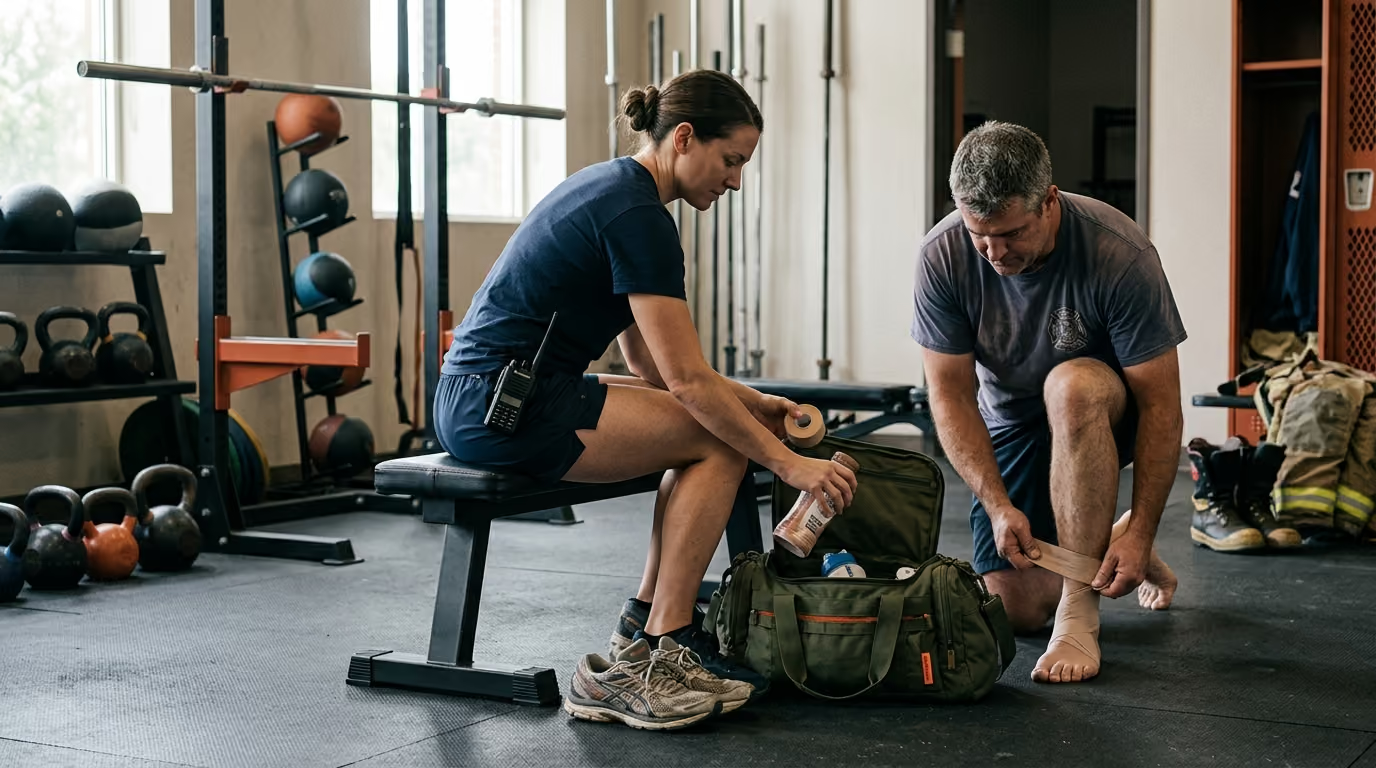

Erratic shift schedules and demanding tactical loads degrade skeletal strength unless first responders protect their endocrine health with targeted nutrition, training, and sleep.





Most tactical fitness culture treats bone like an inert scaffold and testosterone like a cure for physical fatigue. In reality, living skeleton tissue constantly breaks down, adapts, and rebuilds in response to mechanical strain and chemical signaling. Bone durability does not depend on calcium supplements or elevated androgen levels alone. It is governed by an integrated endocrine network where estrogen, androgens, thyroid hormones, parathyroid signals, and cortisol balance mechanical stress against systemic recovery.
Emergency personnel operate under physiological conditions that actively challenge this balance. Firefighters, police officers, paramedics, and rescue personnel routinely carry heavy, asymmetrical loads while managing severe sleep fragmentation and unpredictable operational tempo. When chronic caloric deficits, unmanaged stress hormones, or subclinical endocrine shifts occur, skeletal turnover outpaces bone formation. This structural breakdown increases the risk of bone-stress injuries, joint instability, and premature musculoskeletal degeneration.
Building career-long skeletal durability requires understanding how systemic hormones regulate bone remodeling, how shift work alters that biology, and how to program training and nutrition to protect long-term structural integrity.
Skeletal durability is the result of continuous bone remodeling rather than simple bone mineral density or testosterone concentration. Estrogen and testosterone preserve bone mass by regulating osteoclast resorption and stimulating osteoblast formation. In contrast, prolonged glucocorticoid exposure, untreated thyroid excess, and low energy availability accelerate bone loss and impair microdamage repair. First responders face heightened vulnerability due to sleep disruption, heavy gear, awkward lifting mechanics, and erratic shift nutrition. Long-term injury resilience requires progressive resistance training, adequate caloric and micronutrient intake, protected sleep windows, and targeted medical evaluation when persistent bone pain or endocrine symptoms emerge.
Skeletal tissue maintains structural integrity through continuous remodeling. Specialized cells called osteoclasts remove older or damaged bone matrix, while osteoblasts synthesize new collagen matrix and facilitate mineralization. In a healthy physiological state, resorption and formation remain coupled, preserving bone geometry, cortical thickness, and trabecular architecture. Complete sex-steroid deficiency in either sex disrupts this coupling. It accelerates overall turnover and shifts the balance toward net bone loss.
Clinical evidence indicates that estrogen is a primary regulator of bone resorption in both women and men. Research shows that men produce estradiol through the aromatization of testosterone, and this locally converted estrogen is necessary for suppressing excessive osteoclast activity. Androgens contribute directly to periosteal bone expansion and trabecular maintenance through androgen receptors, but testosterone deficiency damages bone partly by reducing available estradiol. Menopause causes rapid bone mineral density loss, with cumulative 10-year reductions reaching approximately 9.1% at the femoral neck and 10.6% at the lumbar spine.
Glucocorticoid exposure and thyroid dysfunction also exert documented effects on skeletal turnover. Sustained systemic glucocorticoid elevation suppresses osteoblast proliferation, increases osteocyte apoptosis, and decreases intestinal calcium absorption. Bone loss occurs rapidly during the first 6 to 12 months of high-dose glucocorticoid exposure, with fracture risk increasing within three months. Similarly, overt hyperthyroidism and subclinical hyperthyroidism with suppressed thyroid-stimulating hormone levels accelerate bone turnover. Research indicates that suppressed thyroid-stimulating hormone below 0.1 mU/L is associated with a 4.5-fold higher risk of vertebral fracture and a 3.6-fold higher risk of hip fracture.
The relationship between bone mineral density, laboratory values, and real-world injury resilience is complex. Dual-energy X-ray absorptiometry measures areal bone mineral density, which serves as a major predictor of long-term fracture risk. However, standard bone scans do not capture dynamic microdamage accumulation, tendon tensile strength, or neuromuscular coordination under acute fatigue. A responder can display normal bone mineral density on a screening test yet remain susceptible to skeletal breakdown when training volume, duty loads, and systemic recovery fall out of alignment.
Sex steroids serve as the primary hormonal defense against excessive bone resorption and structural degradation. While popular media frames testosterone exclusively as a male performance driver and estrogen as a female reproductive hormone, bone biology relies heavily on both molecules across all human bodies.
Estrogen directly suppresses the lifespan and activity of osteoclasts. It reduces the production of pro-resorptive cytokines and upregulates osteoprotegerin, a decoy receptor that prevents excessive bone breakdown. In men, circulating testosterone is converted into estradiol by the aromatase enzyme within peripheral tissues and bone cells. If aromatization is blocked or testosterone levels fall severely low, bone resorption accelerates regardless of muscle mass.
Androgens exert distinct, complementary effects on skeletal architecture. Testosterone binds directly to androgen receptors on osteoblasts and osteocytes, stimulating matrix production and promoting periosteal bone apposition. This apposition increases the outer diameter of long bones, which improves mechanical resistance to bending and torsional forces. When testosterone levels drop below the physiological normal range, bone formation slows, cortical bone thins, and trabecular connectivity deteriorates.
Hypogonadism in male personnel requires careful clinical differentiation from temporary lifestyle fatigue. The Endocrine Society recommends confirming androgen deficiency using properly timed morning total testosterone measurements on at least two separate occasions. Free or bioavailable testosterone testing is recommended when sex hormone binding globulin concentrations are altered by obesity, metabolic changes, or thyroid status.
Prescribing testosterone replacement therapy should follow clear clinical indications of systemic deficiency rather than commercial optimization trends. Restoring normal physiological androgen levels in hypogonadal men supports bone mineral density and muscle mass. However, testosterone therapy is not a universal fracture prevention tool, and men with documented osteoporosis often require bone-directed pharmacotherapy alongside endocrine management.
Female first responders face distinct skeletal considerations across their operational careers. Perimenopause and menopause produce sharp declines in circulating estradiol, which triggers a rapid phase of bone resorption. Young female personnel who experience exercise-associated or stress-associated menstrual irregularities face early hypoestrogenism. This suppressed hormonal state prevents the skeleton from reaching or maintaining optimal peak bone mass, setting the stage for premature bone-stress injuries.
Cortisol is an essential glucocorticoid hormone required for glucose regulation, vascular tone, and acute survival responses during critical incidents. Problems emerge when sustained physiological stress, persistent sleep debt, or exogenous steroid medications create prolonged glucocorticoid excess.
Chronically elevated glucocorticoids disrupt skeletal remodeling through several direct and indirect pathways:
Shift work, nighttime calls, and extended tours create chronic circadian disruption. Fire service data demonstrates that higher emergency call volumes correlate directly with shorter sleep duration, greater daytime sleepiness, and elevated ratings of perceived physical exertion. Studies examining firefighter shift schedules found excessive daytime sleepiness in 20.4% of personnel working 48-hour rotations compared to 12.2% on 24-hour schedules. Crucially, roughly one-third of firefighters who reported severe on-duty sleepiness also sustained a physical injury during the previous year.
Sleep debt does not automatically cause structural bone failure on its own. Instead, it generates a cascade of physiological strain. Disrupted sleep impairs reaction time, degrades motor unit recruitment, and blunts tissue repair between strenuous physical shifts. When combined with altered circadian cortisol rhythms, this neurological and metabolic fatigue reduces the body's tolerance for mechanical load. Understanding circadian fatigue and shift length helps personnel structure work-to-rest ratios before cumulative stress degrades physical performance.
Exogenous glucocorticoids present a significant clinical risk to bone integrity. Responders prescribed oral prednisone for severe poison oak, respiratory flare-ups, or systemic inflammatory conditions experience rapid shifts in bone turnover. Even repeated local corticosteroid injections for joint pain can deliver systemic exposure. Clinicians and personnel must monitor cumulative steroid exposure to prevent progressive skeletal weakening.
Bone mineralization and cellular turnover depend on tight regulation by thyroid hormones, parathyroid hormone, calcitriol, and calcium signaling. Perturbations in these endocrine axes accelerate skeletal microstructural damage.
Thyroid hormones directly influence the pace of skeletal remodeling. In an optimal state, triiodothyronine regulates osteoblast differentiation and physiological bone turnover. However, overt hyperthyroidism shortens the normal remodeling cycle, causing osteoclasts to break down bone faster than osteoblasts can replace it. Subclinical hyperthyroidism, marked by suppressed thyroid-stimulating hormone with normal circulating thyroid hormone levels, also increases fracture risk.
Common clinical causes of excessive thyroid exposure include:
Parathyroid hormone acts as the master regulator of extracellular calcium concentration. When serum calcium levels fall, the parathyroid glands release parathyroid hormone to stimulate renal calcium reabsorption, activate vitamin D into calcitriol, and draw calcium from bone tissue. Continuous, pathological elevations of parathyroid hormone, known as hyperparathyroidism, cause severe bone resorption and elevated fracture rates. Conversely, intermittent physiological pulses of parathyroid signaling support bone formation.
Calcitriol, the active metabolite of vitamin D, promotes intestinal absorption of dietary calcium and phosphorus while directly modulating bone cells. Vitamin D deficiency is common among shift workers who spend daylight hours sleeping or working inside apparatus bays. Chronic deficiency impairs bone mineralization, leading to osteomalacia in adults and exacerbating osteoporosis. Correcting documented nutritional deficiencies is an essential clinical baseline, though mega-dosing vitamin D beyond normal physiological ranges provides no added structural protection.
Relative Energy Deficiency in Sport represents a state of severe metabolic mismatch where dietary caloric intake is insufficient to support the combined energy demands of daily living, occupational labor, and physical training. Although first identified in elite athletics, this syndrome frequently affects emergency responders.
When daily energy availability falls below physiological requirements, the body downregulates non-essential biological systems to conserve fuel. This creates an endocrine pattern characterized by suppressed luteinizing hormone and follicle-stimulating hormone, reduced testosterone or estradiol, suppressed triiodothyronine, low insulin-like growth factor 1, and elevated baseline cortisol. In this energy-deprived state, the skeleton lacks the cellular resources and hormonal support needed to repair daily microdamage.
Bone-stress injuries exist along a progressive physiological continuum rather than occurring as sudden, isolated events:
Responders who combine restrictive diets with heavy operational loads face elevated risk. Physical warning signs include missed menstrual cycles in women, loss of morning erections in men, unexplained strength plateaus, chronic lethargy, and focal bone pain that worsens during weight-bearing activity. Implementing structured shift-based nutrition strategies provides the baseline energy required to prevent metabolic downshifts and support skeletal repair.
Firefighting, emergency medical services, and tactical law enforcement impose mechanical loads that cannot be replicated in controlled gymnasium environments. Field tasks require carrying heavy, asymmetrical, and shifting weights in unstable terrain, often while wearing restrictive protective equipment.
Turnout gear, self-contained breathing apparatus, ballistic vests, and equipment belts add substantial external mass. This extra load dramatically increases ground reaction forces, joint contact pressures, and spinal shear forces during routine movements. Epidemiological reviews indicate that musculoskeletal disorders are among the leading occupational health burdens in emergency services, with meta-analyses estimating an overall musculoskeletal injury prevalence of 46.39% across firefighter populations. The lower extremities and the lumbar spine represent the most frequent anatomical sites of injury.
A common training error among first responders is the sudden introduction of high-volume running, intense interval conditioning, or unaccustomed weighted marching. Skeletal tissue adapts more slowly than cardiovascular fitness or muscular endurance. When personnel suddenly ramp up running mileage or embark on aggressive tactical conditioning after sedentary rotations, mechanical strain outpaces bone formation.
Effective training design emphasizes gradual, progressive overload across multiple planes of movement. Resistance exercise creates targeted skeletal loading through muscle contraction and axial compression. Prioritizing heavy compound lifting, loaded carries, and controlled unilateral movements increases bone density at the femoral neck and lumbar spine while strengthening dynamic joint stabilizers. Integrating structured training around shift work allows personnel to build mechanical durability without overtaxing their recovery reserve.
Protecting skeletal health across a multi-decade emergency services career requires translating endocrine and biomechanical principles into daily operational habits. Sustainable capability relies on structured nutrition, progressive strength training, disciplined sleep management, and proactive recovery strategies.
Daily nutritional intake must provide sufficient energy availability to support mechanical loading and basal hormonal production:
Exercise prescriptions should focus on building multi-planar structural strength while respecting occupational fatigue:
Sleep hygiene and substance moderation protect the systemic environment required for skeletal recovery:
The following illustrative models demonstrate how physiological, mechanical, and behavioral factors interact in active emergency service personnel.
A 48-year-old firefighter working a 48/96 shift rotation experienced persistent low back pain, sluggish recovery, and morning lethargy. He suspected low testosterone and requested hormone therapy.
A thorough clinical history revealed five hours of fragmented sleep per night, heavy off-duty alcohol use to fall asleep, and zero structured resistance training over the preceding two years. Initial blood tests showed total testosterone near the lower reference limit, but repeated morning testing alongside normal luteinizing hormone and normal free testosterone ruled out primary hypogonadism.
Instead of starting hormone therapy, the intervention focused on:
Over several months of consistent habit changes, his morning energy stabilized, lumbar discomfort decreased, and repeat laboratory testing showed testosterone levels well within the normal physiological range.
A 32-year-old paramedic began training for an ultramarathon while simultaneously working 60 hours per week on a busy urban ambulance. To lose weight, she restricted carbohydrates and overall caloric intake. Within two months, her menstrual cycle became irregular, and she developed localized, aching pain over her mid-tibia that worsened during patient carries and running.
An evaluation revealed low energy availability and an early tibial bone-stress reaction on magnetic resonance imaging. Laboratory testing showed suppressed estradiol and elevated serum cortisol.
The management plan prioritized:
By addressing the underlying energy deficiency early, she restored normal endocrine markers and avoided a complete cortical bone fracture.
Hormone replacement therapies, dietary supplements, and training adjustments carry clear physiological limits. No pharmaceutical intervention or testosterone prescription can replace progressive mechanical loading, adequate sleep, and sound movement mechanics.
Testosterone replacement therapy in men with verified hypogonadism can improve bone mineral density over one to two years of treatment. However, in men presenting with established osteoporosis or high fracture risk, testosterone alone is often insufficient. Endocrine guidelines recommend combining hormone therapy with validated antifracture medications in high-risk patients. Furthermore, supraphysiologic doses of anabolic steroids disrupt lipid profiles, suppress endogenous hormone axes, and fail to provide the balanced signaling needed for healthy long-term bone remodeling.
Personnel must recognize clinical red flags that require immediate medical evaluation rather than continued duty or self-management:
When evaluating career-related musculoskeletal vulnerability, personnel should consult qualified healthcare providers. Sports medicine physicians, endocrinologists, and physical therapists can order diagnostic imaging, evaluate bone mineral density, interpret hormone panels, and guide safe return-to-duty pathways. Responders seeking rehabilitation frameworks can review dedicated resources on musculoskeletal injury recovery to support long-term physical durability.
Sustainable operational capability relies on respecting the biological requirements of the human skeleton throughout a demanding emergency services career.
Stay connected for research-led guidance on duty fitness, shift-work sleep, injury recovery, stress, nutrition and career longevity. Practical ideas for first responders who want to stay capable on the job, recover well and protect their health for the long run.



Read practical guidance on first responder fitness, recovery, sleep, nutrition and resilience for demanding work and a long, active career.
read the blog



