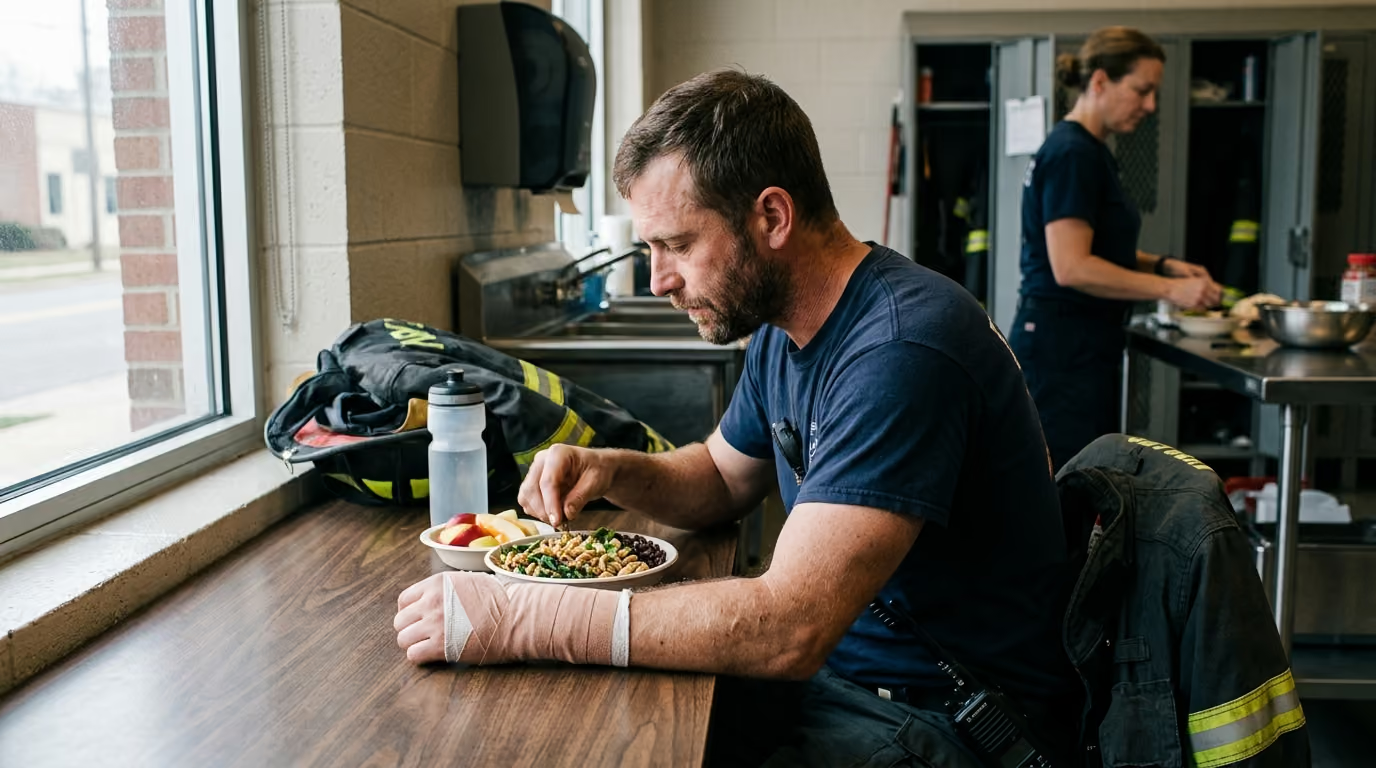

Optimal tissue repair and muscle preservation become achievable for injured first responders using evidence-based nutrition strategies across every rehabilitation phase.





You step off the apparatus awkwardly on an icy driveway, tweak your lower back lifting a heavy patient on a stair chair, or catch a severe respiratory virus during a winter spike in call volume. Within forty-eight hours, your routine changes completely. Instead of running calls, pulling hose, or working twelve-hour patrol shifts, you find yourself sitting at a light-duty desk, attending physical therapy appointments, or resting at home.
When your daily movement drops suddenly, the immediate instinct is often to stop eating or slash calories aggressively to avoid gaining weight. Nutrition during injury, illness, rehabilitation, or modified duty is not a simple problem of eating less because you are doing less. Tissue repair, immune defense, wound healing, and muscle preservation all require substantial metabolic resources, even when your daily step count declines.
Adjusting your nutrition during recovery requires matching your food intake to the real demands of healing, rehabilitation, and reduced duty. The goal is to protect lean muscle tissue, support structural repair, prevent unwanted fat gain, and prepare your body for a safe return to full operational capability.
Nutritional research in sports medicine, clinical rehabilitation, and tactical health demonstrates that injury recovery places unique demands on human metabolism. When physical activity decreases due to immobilization or modified duty, daily energy expenditure drops. Healing tissues and active immune cells require a steady supply of energy, amino acids, and micronutrients.
Evidence shows that under-fueling during injury recovery accelerates muscle atrophy and delays tissue repair. Clinical studies published in rehabilitation nutrition literature indicate that energy restriction reduces muscle protein synthesis rates. Consuming only eighty percent of estimated energy requirements for ten days can reduce muscle protein synthesis by roughly twenty percent, even in healthy individuals. When a body is immobilized or recovering from trauma, entering a severe energy deficit worsens muscle loss.
Energy expenditure during recovery depends on injury severity, medical treatment, and physical activity. Minor soft tissue sprains may only slightly increase resting metabolic rate. Major surgery, bone fractures, deep burns, or systemic infections can raise resting energy needs considerably. Clinical wound healing data shows that severe trauma can elevate resting energy expenditure by twenty to fifty percent.
Researchers categorize nutritional strategies for recovery into several core priorities:
Understanding these biological mechanisms prevents two common extremes: starving the injury to stay lean, or overeating ultra-processed comfort foods during periods of stress and boredom.
Muscle mass is regulated by the ongoing balance between muscle protein synthesis and muscle protein breakdown. When a limb is immobilized in a cast, brace, or sling, the muscle becomes resistant to the normal growth signals provided by food and movement. This phenomenon, known as anabolic resistance, means the body requires higher concentrations of amino acids to stimulate protein synthesis.
When total daily calories are reduced due to sedentary desk duty, absolute protein intake should remain high. Peer-reviewed rehabilitation nutrition reviews recommend keeping protein intake between 1.6 and 2.5 grams per kilogram of body weight per day during immobilization or structured rehabilitation. For a responder weighing 90 kilograms (roughly 200 pounds), this equates to roughly 145 to 225 grams of daily protein.
Targeting higher protein ranges helps protect lean mass, supports connective tissue synthesis, and improves fullness when total food volume is lower. High-quality protein sources provide essential amino acids, particularly leucine, which acts as a molecular switch to trigger muscle repair.
To optimize protein utilization throughout the day, active and injured personnel should aim for consistent distribution:
Relying on a single large protein serving at dinner is less effective for muscle preservation than distributing protein evenly across four or five eating occasions.
Carbohydrates and dietary fats provide the fuel and structural materials needed for tissue regeneration. While protein preserves muscle architecture, carbohydrates supply the energy required for cellular repair, immune response, and rehabilitation performance. Fats support hormone production, reduce chronic inflammation, and maintain cellular membranes.
Carbohydrate intake should be adjusted based on actual daily output rather than cut completely. Bed rest and sedentary desk duty require fewer carbohydrates than wildland fire deployments or heavy tactical training. Physical therapy, return-to-run protocols, and strength sessions still rely heavily on muscle glycogen.
A practical approach to carbohydrate management during reduced duty includes:
Dietary fats should remain a consistent part of the recovery diet. Healthy fats supply fat-soluble vitamins and support cellular health. Responders should focus on sources rich in monounsaturated fats and omega-3 fatty acids, including olive oil, avocados, nuts, seeds, and fatty fish like salmon and sardines. Highly refined, fried foods should be minimized because they add substantial calories without providing the micronutrients needed for healing.
A reliable plate model for modified duty consists of half a plate of vegetables and fruit, one-quarter plate of lean protein, and one-quarter plate of complex carbohydrates, accompanied by a modest serving of healthy fats.
Injury recovery is rarely static. Nutritional needs change as you move from acute trauma to immobilization, structured physical therapy, and finally the physical demands of active duty. Applying a phase-based nutritional strategy helps align food intake with physiological demands at every step.
The primary objective during the first several days following acute trauma, surgery, or serious illness is medical stabilization, fluid balance, and basic energy adequacy. Pain, surgical anesthesia, prescription medications, and systemic inflammation frequently suppress appetite.
During this initial window, deliberate calorie restriction must be avoided. The body needs baseline energy to support the initial inflammatory cascade that clears damaged cells and begins tissue reconstruction. If solid meals are difficult to stomach, prioritize soft, easily digested foods such as smoothies, Greek yogurt, broth-based soups with shredded chicken, scrambled eggs, and milk. Hydration is critical, particularly if you are recovering from surgery or experiencing fever.
As the acute pain subsides, you may enter a period of limb immobilization or transition into sedentary administrative tasks. Total energy expenditure is at its lowest point during this phase because daily locomotion and operational tasks have stopped.
Adjust energy intake downward by reducing discretionary calories and carbohydrate portions, but keep daily protein intake high. If you are using crutches or assistive devices, remember that moving with crutches requires significantly more energy than normal walking. Continue resistance training for uninjured limbs if medically cleared, as cross-education effects can help reduce strength loss in the immobilized limb. Reviewing minimum effective dose training approaches can help maintain neuromuscular activation without stressing healing tissues.
Once physical therapy begins and movement restrictions are lifted, metabolic demands rise again. Physical therapy sessions that involve loaded movements, balance training, and conditioning drills require reliable energy availability.
Scale carbohydrate intake up on days with demanding rehabilitation sessions. Consume a balanced snack containing both protein and carbohydrate roughly one to two hours before therapy to fuel performance and support tissue adaptation. Continue monitoring body weight, waist measurements, and strength gains to determine if your calorie intake supports steady tissue remodeling without unwanted fat accumulation.
Returning to full duty requires rebuilding operational stamina and work capacity. Emergency responses involve unpredictable bursts of high-intensity output, heavy personal protective equipment, and environmental heat strain.
Gradually increase total daily energy and carbohydrate intake as you transition back to active shifts. Rebuilding operational fitness demands structured meal planning, especially when handling long tours or nighttime calls. Integrating a practical shift nutrition framework will help you maintain consistent fueling when call volume spikes unexpectedly.
A well-rounded diet rich in whole foods forms the foundation of injury recovery. Specific micronutrients play direct roles in collagen formation, bone mineral density, and immune modulation. Supplementation should be treated as an adjunct to solid nutrition rather than a replacement for balanced meals.
Vitamin C is an essential cofactor for collagen synthesis and cross-linking in tendons, ligaments, skin, and bones. It also functions as a powerful antioxidant that helps control oxidative stress during recovery. Citrus fruits, bell peppers, strawberries, broccoli, and tomatoes provide ample vitamin C. Emerging sports science research suggests consuming vitamin C alongside gelatin or collagen hydrolysate thirty to sixty minutes before rehabilitation may support collagen production in tendons and ligaments, though a solid food-first approach remains the primary standard.
Vitamin D and calcium work synergistically to maintain bone matrix integrity and support neuromuscular function. Fractures, bone stress injuries, and extended periods of indoor recovery increase the importance of maintaining adequate vitamin D levels. Responders who spend extended recovery periods indoors away from sunlight should consider having their 25-hydroxyvitamin D levels checked by a physician. Dairy products, fortified plant milks, canned salmon with bones, and dark leafy greens supply bioavailable calcium.
These minerals support enzymatic reactions, tissue generation, and oxygen transport throughout the body:
Creatine monohydrate is well-researched for preserving muscle mass and strength during periods of disuse. Supplementing with three to five grams of creatine monohydrate daily during immobilization and rehabilitation can help attenuate muscle loss and accelerate strength recovery once loading resumes.
Omega-3 fatty acids from fish oil possess anti-inflammatory properties that assist in resolving acute inflammation. While excessive intake should be avoided immediately prior to surgery due to potential bleeding risks, regular consumption of EPA and DHA from whole fish or supplements supports cellular health during prolonged rehabilitation.
Infectious illness creates a distinct metabolic challenge compared to musculoskeletal injury. Fever, respiratory distress, and gastrointestinal symptoms accelerate fluid and electrolyte loss while suppressing appetite and disrupting normal digestion.
Fever significantly raises baseline metabolic rate. For every degree Celsius increase in body temperature, resting energy expenditure rises by approximately ten to thirteen percent. At the same time, respiratory secretions, sweating, and nausea make eating difficult.
Practical nutritional strategies for illness recovery include:
Following a severe viral or bacterial infection, returning directly to heavy operational shifts while under-fueled increases the risk of chronic fatigue and reinjury. A gradual rebuild of nutritional intake should accompany physical reconditioning before resuming arduous duty.
Managing nutrition during recovery is particularly challenging within emergency service environments. First responders operate within workplace cultures where meals are social, portions are large, and shift schedules disrupt normal metabolic rhythms.
Transitioning from active duty to a light-duty desk assignment alters the daily environment:
Responders placed on light duty or working modified hours must take proactive control of their food environment. Preparing meals at home and bringing packed lunches to the station removes reliance on takeout or high-calorie station meals. Learning effective strategies for meal timing across night shifts helps stabilize blood sugar and prevent excessive late-night calorie intake when working altered administrative hours.
Fatigue and poor sleep amplify cravings for dense, sugar-laden foods. Addressing sleep quality and applying strategies for managing cumulative physical fatigue will improve dietary adherence during the recovery phase.
Several recurring errors can compromise healing, extend recovery timelines, and lead to poor body composition outcomes during periods of reduced duty.
The fear of gaining body fat often leads responders to cut their daily calorie intake in half. This severe deficit triggers rapid muscle loss, impairs immune function, slows collagen synthesis, and leaves the individual exhausted. Energy intake should be reduced moderately based on objective activity tracking, not slashed recklessly.
When overall food volume is reduced, protein intake is frequently reduced by default. Because immobilized muscle exhibits anabolic resistance, protein requirements actually increase on a per-kilogram basis during recovery. Preserving absolute protein intake while reducing carbohydrates and discretionary fats is essential for maintaining lean mass.
Relying on high-dose vitamin pills, proprietary recovery formulas, or extreme cleansing regimens will not accelerate tissue repair. No supplement can compensate for inadequate total calories, low dietary protein, poor sleep, or an unstructured rehabilitation program. Whole foods provide the complex matrix of nutrients, fibers, and bioactives necessary for optimal healing.
Tracking recovery progress exclusively through body weight can be highly misleading. Weight fluctuations during injury often reflect changes in hydration status, localized inflammation, fluid retention from medications, or shifts in muscle-to-fat ratios. Utilizing waist measurements, physical therapy milestones, strength metrics, and energy levels provides a more accurate assessment of recovery progress.
The opposite of under-fueling is failing to adjust portions when stepping down from high-demand operational work. Continuing to consume five thousand calories per day while sitting at an administrative desk will quickly lead to unwanted visceral and subcutaneous fat gain. Calorie intake must reflect current daily output.
To ensure that your recovery nutrition plan remains effective, implement a structured weekly self-check. Adjusting your intake based on consistent data points avoids reactive overeating or undereating.
Use this four-point framework to assess your weekly status:
Explore additional tactical health resources in our energy and nutrition resources hub to refine your fueling strategy across different stages of your career.
Nutrition is a powerful tool to support recovery, but it operates within strict biological boundaries. Modifying your diet cannot override the necessary anatomical healing timelines required for severed ligaments, fractured bones, or surgical repairs. Returning to arduous duty before tissues have healed properly increases the likelihood of catastrophic reinjury.
Never attempt to train through sharp pain, joint instability, unexplained shortness of breath, dizziness, or systemic fever. If you are recovering from major trauma, complex surgery, significant burns, or chronic health conditions like kidney disease or diabetes, your nutritional plan must be coordinated with your healthcare team.
Consulting a licensed physician, physical therapist, or registered dietitian specializing in tactical or sports performance ensures that your recovery plan aligns with your medical history and job demands.
Revisit these guidelines whenever you experience a change in duty status, sustain a new musculoskeletal injury, undergo planned surgery, or transition from administrative duty back to full operational shifts. Reviewing the four-phase model will help you make timely nutritional adjustments that protect your physical capability.
Sustainable career longevity in emergency services requires respecting the biology of healing and fueling your body to meet the real demands of recovery.
Stay connected for research-led guidance on duty fitness, shift-work sleep, injury recovery, stress, nutrition and career longevity. Practical ideas for first responders who want to stay capable on the job, recover well and protect their health for the long run.



Read practical guidance on first responder fitness, recovery, sleep, nutrition and resilience for demanding work and a long, active career.
read the blog



