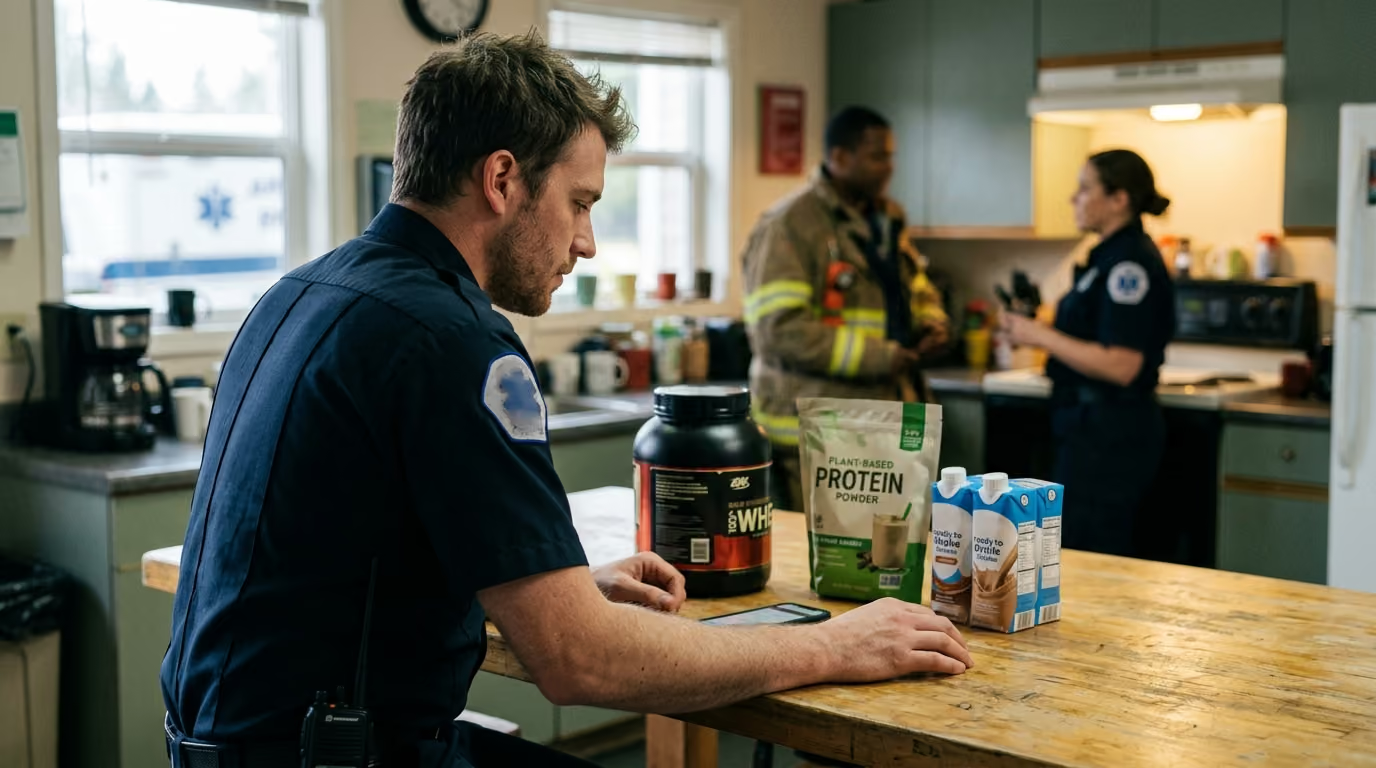

Unpredictable emergency calls often interrupt regular meals, making convenient protein shakes, bars, and shelf-stable foods essential for maintaining daily nutrition on duty.





Many first responders search online for the single best protein powder, ready-to-drink shake, or bar to survive long shifts and maintain strength. The straightforward reality is that no single supplement format is universally superior. Meeting total daily protein requirements through well-tolerated, accessible sources matters far more than the specific product label or format you choose.
For emergency personnel, availability beats theoretical perfection. The most effective protein source is the one you can store safely, digest without stomach distress, afford consistently, and consume when calls disrupt normal meals.
Nutritional science provides clear frameworks for daily protein targets across different activity levels. General population guidance from the Dietary Guidelines for Americans outlines an adult range of 1.2 to 1.6 grams of protein per kilogram of body weight each day. This baseline supports general health and tissue maintenance in typical living conditions.
First responders frequently perform heavy physical tasks, wear protective equipment, and participate in regular strength conditioning. Position stands from the International Society of Sports Nutrition suggest higher targets for active personnel, ranging from 1.4 to 2.2 grams per kilogram of body weight per day. A 90-kilogram firefighter or police officer may therefore target between 126 and 198 grams of protein daily, depending on training intensity and duty demands.
Beyond daily totals, researchers have evaluated per-meal protein distribution. Sports nutrition evidence indicates that consuming roughly 0.25 grams of protein per kilogram of body weight, or about 20 to 40 grams of high-quality protein per feeding, effectively stimulates muscle protein synthesis. High-quality sources typically provide between 700 and 3,000 milligrams of leucine along with a complete essential amino acid profile.
Evidence for total daily protein intake is robust across sports and occupational literature. Evidence for precise nutrient timing is mixed, showing that hitting daily totals is far more critical than consuming protein within a narrow post-workout window. Protein distribution every three to five hours offers practical benefits for hunger
control and recovery, but missing an exact interval does not waste previous physical effort.
Protein quality involves amino acid completeness and biological digestibility. Animal proteins and soy contain complete profiles with all essential amino acids in proportions suitable for human tissue repair. Other plant sources, such as pea, rice, or seed proteins, can also support recovery when blended or combined across the day through varied eating. In-vitro digestion studies show that animal-based protein bars often demonstrate higher digestibility scores than single-source plant formulations, but real-world outcomes depend on overall daily dietary variety.
Emergency services create distinct operational challenges that interfere with standard dietary recommendations. Irregular shifts, prolonged extrications, structure fires, and high call volumes disrupt conventional meal schedules. Research on emergency personnel reveals that protein consumption drops significantly during night shifts, driven by fatigue, limited food options, and disrupted circadian rhythms.
When an emergency response occurs during a meal, food is often left behind and spoils. Emergency medical technicians and law enforcement officers frequently operate from vehicles without access to refrigeration, running water, or heating appliances. Under intense physical and psychological stress, sympathetic nervous system arousal diverts blood flow away from the digestive tract, making heavy or complex meals difficult to tolerate.
Thermal strain further complicates nutrition on duty. Firefighters working in turnout gear or patrol officers operating in high summer temperatures face elevated core body temperatures and dehydration. Thick, dairy-heavy shakes or high-fat meals can trigger nausea, acid reflux, or cramping when consumed under thermal strain. A field-ready nutritional approach must fit the realities of gear bags, vehicle storage, and rapid deployment.
Applying a structured first responder shift nutrition framework helps mitigate these environmental barriers. Instead of relying on rigid meal schedules, emergency personnel benefit from building a flexible system of portable, shelf-stable options that can be consumed in short windows between calls.
Choosing between protein powders, ready-to-drink shakes, bars, and whole foods requires balancing nutritional density against operational convenience. Every format offers distinct advantages and trade-offs in emergency response environments.
Protein powders offer the lowest cost per gram of protein and provide flexible macronutrient control. They allow users to consume isolated protein without unwanted fats or carbohydrates, or to blend the powder with oats, fruit, and nut butters for a complete meal.
Whey isolate provides rapid digestion and low lactose content, making it suitable for personnel who experience mild dairy sensitivity. Whey concentrate is economical but retains small amounts of lactose and milk fat. Micellar casein digests slowly, providing a sustained release of amino acids that works well before sleep or between long periods without food. Soy and multi-source plant powders provide dairy-free alternatives with complete amino acid profiles.
The primary limitation of protein powder is logistics. Powders require clean water, a shaker bottle, and immediate cleaning. A used shaker bottle left in a warm patrol car or apparatus bay quickly develops bacterial odor and contamination. Powders are best suited for station kitchens, locker rooms, or home preparation rather than active emergency calls.
Ready-to-drink shakes offer speed and convenience. They require no mixing, measuring, or cleanup, making them practical for personnel operating on tight timelines.
These products are packaged as shelf-stable cartons or bottles that survive storage in gear bags or duty belts. They allow emergency workers to consume 30 grams of protein in less than sixty seconds between calls. They also eliminate the hygiene risks associated with dirty shaker cups.
The trade-offs include higher cost per serving and variable ingredient profiles. Some ready-to-drink products contain high amounts of added sugars, vegetable oils, or thickeners that cause digestive discomfort. Others use non-nutritive sweeteners and sugar alcohols to keep calories low, which can provoke gas and bloating during intense physical work.
Protein bars are solid, compact, and highly portable. They fit easily into cargo pockets, duty bags, and vehicle compartments, requiring no liquids or utensils.
Bars function well as meal bridges during long transports, wildland fire assignments, or rural operations where liquids are cumbersome to carry. Solid food often provides greater short-term satiety than liquid shakes, helping prevent distracting hunger during prolonged shifts.
However, bars vary widely in nutritional composition. Many commercial bars are nutritionally equivalent to candy bars with added soy or whey crisp, containing substantial amounts of saturated fat and simple sugars. High concentrations of sugar alcohols like maltitol and erythritol, combined with isolated fibers such as inulin, can trigger acute gastrointestinal distress under operational stress. High ambient heat can melt chocolate coatings, turning the bar into a mess inside equipment bags.
Whole foods remain the nutritional foundation for long-term health, cardiovascular protection, and career longevity. Current dietary guidelines recommend obtaining most nutrients from nutrient-dense whole foods, including poultry, fish, eggs, dairy, beans, lentils, nuts, and seeds.
Whole-food proteins deliver complex matrices of micronutrients, including iron, zinc, B vitamins, calcium, and potassium, alongside dietary fiber and healthy fats. Foods such as Greek yogurt, cottage cheese, hard-boiled eggs, canned tuna, and chicken pouches provide sustained satiety without industrial additives or sugar alcohols. Combining whole-food proteins with complex carbohydrates supports glycogen replenishment after demanding fireground or rescue tasks.
The logistical limitations of whole foods are significant in emergency services. Meat, poultry, and dairy require reliable cold-chain storage to prevent foodborne illness. Eating whole-food meals requires time, seating, and utensils, which are rarely available during unpredictable dispatch surges. Emergency personnel must therefore use supplements as practical bridges when whole-food consumption is impossible.
To select the right tool for specific operational situations, consider how each format performs across critical operational metrics:
Gastrointestinal tolerance is critical for emergency personnel. Digestive distress during a structure fire, tactical breach, or high-speed vehicle response compromises safety and operational capability. Supplement ingredients affect individuals differently, especially when combined with duty stress and dehydration.
Liquid and solid proteins demonstrate similar total amino acid availability over several hours, but their transit time through the stomach differs. Large volumes of liquid consumed quickly can cause gastric distension and acid reflux when bending, lifting, or wearing tight duty belts. Conversely, high-fat, high-fiber solid foods delay gastric emptying, leading to heavy stomach sensations during sudden cardiovascular exertion.
Common dietary triggers of gastrointestinal distress include:
When managing nutritional timing on irregular rotations, adopting time-restricted eating windows can help stabilize digestion and circadian rhythm alignment. Maintaining consistent digestive rest intervals reduces the likelihood of nighttime reflux and metabolic dysregulation.
Supplement marketing often obscures the actual financial cost of protein products. Comparing container prices is misleading because tub sizes, serving counts, and protein concentrations vary dramatically across brands.
The accurate financial metric is the cost per 25 grams of usable protein. To calculate this value, use the following formula:
Bulk whey protein powder purchased in large tubs generally provides the lowest cost per 25-gram serving. Whole-food staples such as eggs, canned tuna, and bulk chicken breast offer comparable cost efficiency while delivering superior micronutrient density. Ready-to-drink shakes and premium protein bars carry the highest cost per serving, representing a premium paid entirely for convenience and packaging.
First responders must also evaluate operational waste costs. Purchasing fresh food that spoils in a station refrigerator because of emergency dispatches costs more than keeping a shelf-stable ready-to-drink shake in a duty bag. Conversely, buying commercial protein bars daily from convenience stores at retail markups creates an unnecessary financial drain across a thirty-year career.
Nutritional logistics depend heavily on the specific branch and shift schedule of the emergency service provider. Applying the right protein tool to the operational environment prevents nutritional gaps without creating unnecessary gear clutter.
Firefighters on 24-hour rotations generally have access to station refrigerators, ovens, and dining areas. The optimal strategy utilizes whole-food family-style meals as the primary nutritional base. Personnel can prepare lean meats, roasted vegetables, and complex carbohydrates during routine station hours.
When sudden multi-alarm calls extend through regular meal hours, crews should rely on shelf-stable backup bars or ready-to-drink shakes stored on the apparatus. When planning workouts between calls, integrating short readiness training sessions minimizes accumulated physical fatigue while allowing predictable post-exercise protein feeding.
Patrol officers operate from vehicles for extended durations, often without reliable access to clean station kitchens or refrigeration. Relying on convenience store fast food leads to poor energy regulation and gastrointestinal discomfort during pursuit or tactical movements.
Officers should avoid milk-heavy powders that require in-vehicle mixing and washing. Shelf-stable ready-to-drink cartons and vacuum-sealed whole foods provide reliable protein without hygiene complications.
Paramedics and emergency medical technicians operating in busy urban systems face continuous call cycles and hospital wall delays. These schedules provide minimal time to sit down for a heated meal.
Liquid protein options are particularly valuable for EMS crews because they can be consumed quickly while completing electronic patient care reports at destination hospitals.
Working overnight disrupts metabolic pathways, reduces insulin sensitivity, and alters digestive enzyme secretion. Heavy, high-fat, or high-sugar meals consumed at 03:00 often cause severe drowsiness, reflux, and sluggish cognitive function during critical response calls.
Applying structured caffeine and fueling strategies helps personnel stay alert without compromising subsequent rest. Pairing moderate protein feedings with light, complex carbohydrates maintains stable blood glucose throughout the night tour.
To support physical recovery between tours, responders should also follow a structured shift sleep plan that protects daytime rest and prevents chronic sleep debt.
Dietary supplements are regulated differently than pharmaceutical drugs. In many jurisdictions, protein powders and bars reach the market without mandatory pre-market safety testing for purity or label accuracy.
Contamination risks in unregulated sports supplements include:
First responders must select products tested and verified by reputable third-party certification organizations. Look for independent certification seals on packaging:
Protein supplements are designed to fill specific nutritional voids. They do not replace the micronutrient complexity, dietary fiber, and cardiovascular benefits of whole vegetables, fruits, whole grains, and unprocessed protein sources. Relying exclusively on powders and processed bars can lead to micronutrient deficiencies, poor gut motility, and chronic constipation.
Safety also requires recognizing when operational fatigue makes physical exertion or heavy supplementation inadvisable. If severe sleep deprivation, acute illness, or musculoskeletal injury impairs physical capability, no supplement will restore operational readiness. Personnel must prioritize basic rest, hydration, and medical recovery rather than using high-protein shakes to push through dangerous exhaustion.
While healthy adults can safely adjust protein intake within standard athletic ranges, certain health conditions require individual clinical oversight. First responders facing metabolic, gastrointestinal, or renal health questions should seek formal medical evaluation.
Consult a licensed physician or registered dietitian under the following circumstances:
A registered dietitian specializing in tactical or sports nutrition can provide tailored macronutrient prescriptions that align with personal medical histories, blood chemistry panels, and duty requirements.
Long-term physical capability in emergency services is built on sustainable, repeatable daily habits rather than extreme dietary trends. Use this practical checklist to establish a reliable, field-tested protein strategy this week:
Maintaining physical readiness across a demanding public safety career requires reliable nutritional systems that function during unpredictable conditions. By combining nutrient-dense whole foods with carefully chosen, third-party certified supplements, first responders can protect their physical strength, support daily recovery, and sustain long-term operational performance.
Stay connected for research-led guidance on duty fitness, shift-work sleep, injury recovery, stress, nutrition and career longevity. Practical ideas for first responders who want to stay capable on the job, recover well and protect their health for the long run.



Read practical guidance on first responder fitness, recovery, sleep, nutrition and resilience for demanding work and a long, active career.
read the blog



