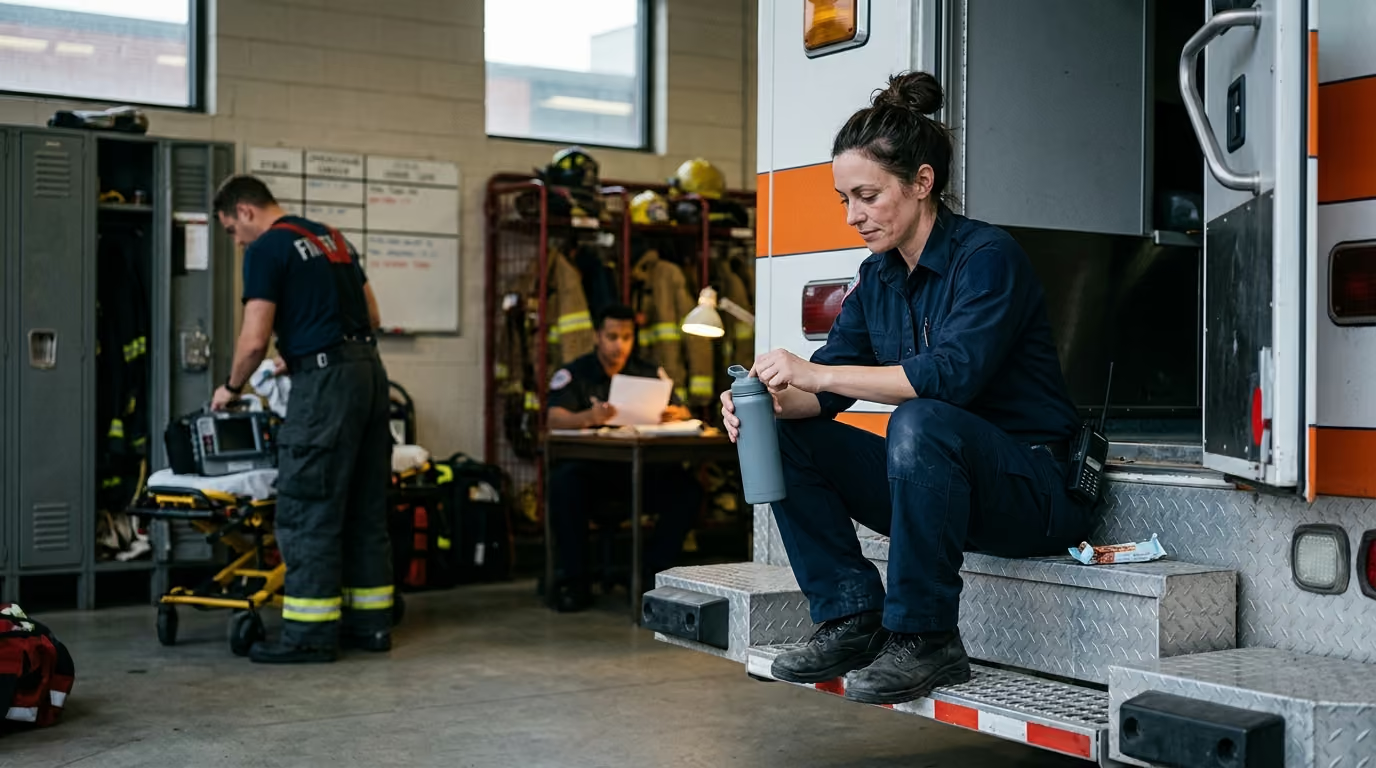

Five structured RESET protocol steps help first responders clear cumulative fatigue, restore core physiology, and safely transition between high-intensity operational shifts.





How to recover after a long fire, prolonged rescue, or back-to-back EMS shift is a problem most first responders search for only after exhaustion has already set in. The body feels drained, the head aches, and the next shift is already approaching. This guide provides a definitive, research-based incident-reset protocol to restore physical capability, manage accumulated fatigue, and protect your long-term health.
Recovering from an extended incident requires a structured physiological reset rather than passive rest and a cold drink. A complete incident reset systematically addresses core body temperature, fluid balance, glycogen stores, muscle stiffness, nervous system arousal, and sleep debt. Treating post-incident recovery as an operational standard protects personnel from acute injury, reduces safety-compromising errors, and preserves career longevity.
An extended operation is an intense physiological event, not merely a long call. Whether mitigating a multi-alarm structure fire, managing a complex mass-casualty incident, conducting a prolonged search across rough terrain, or running continuous patient transports, the human body undergoes extreme metabolic and structural strain. The burden left behind when the call ends is known as recovery debt.
Recovery debt represents the combined toll of fluid loss, substrate depletion, elevated core temperature, cellular muscle damage, and acute neurological fatigue. Research on occupational fatigue in emergency services shows that operational strain degrades reaction time, situational awareness, and physical coordination. According to peer-reviewed occupational research, fatigued emergency personnel face 1.9 times the odds of suffering an injury on duty. They also show 3.6 times the odds of engaging in safety-compromising behavior compared to their adequately rested peers.
The evidence evaluating operational recovery protocols comes from occupational health research, military studies, and emergency service evaluations. Strong evidence supports active cooling, structured rehydration, and timely carbohydrate replenishment for restoring acute physiological capacity. Observational data confirms that cumulative fatigue directly drives motor vehicle collisions and workplace accidents during emergency work. Translating these findings into a functional incident reset bridges the gap between laboratory science and the reality of the station floor.
Physical readiness cannot be judged solely by how a responder feels. Subjective recovery frequently outpaces physiological restoration. A responder may feel ready to pull another hose line or take another call simply because their adrenaline remains elevated. Underlying recovery debt, including reduced blood volume, altered cardiac mechanics, and delayed neuromuscular response, leaves them vulnerable to sudden exhaustion and acute injury.
First responder work imposes unique physiological stresses that standard athletic recovery models fail to address. Emergency personnel do not operate in climate-controlled environments with predictable rest intervals. They work in heavy, impermeable personal protective equipment (PPE) that traps body heat and impedes evaporative cooling. A 45-minute interior attack in full turnout gear can elevate core body temperature above 102 degrees Fahrenheit while sweating out more than two liters of fluid.
Circadian disruption compounds this physical wear. Emergency calls peak unpredictably, forcing crews to transition from deep sleep to maximal physical output within seconds. Research analyzing emergency medical clinicians across thousands of shifts revealed that fatigue, sleepiness, and concentration deficits consistently peak between 3:00 a.m. and 4:00 a.m. during 24-hour rotations. Extended night operations disrupt cortisol rhythms, impair glucose tolerance, and elevate cardiovascular stress long after the assignment concludes.
Environmental extremes further alter the physiological recovery trajectory. Wildland firefighters often face sustained heat, rough elevation changes, and high respiratory exposure across 16-hour shifts. Technical rescue teams may endure static postures and prolonged muscle loading in confined spaces. EMS crews face repetitive biomechanical loading from lifting bariatric patients down narrow stairwells, coupled with sustained driving vigilance.
Understanding how duty schedules generate chronic wear helps responders build better habits. For deeper insights on managing duty schedules, reviewing how 24-hour rotations drive circadian strain and responder sleep debt provides valuable context for long-term health. A one-size-fits-all recovery checklist cannot accommodate these diverse demands. The recovery strategy must match the specific operational mechanism that generated the debt.
Incident rehabilitation, commonly termed rehab, is an organized system providing rest, hydration, nourishment, medical monitoring, and environmental protection. National standards, including guidelines from the National Fire Protection Association (NFPA) and the U.S. Fire Administration (USFA), emphasize that rehab is not just a rest area. It is a controlled transition from operational stress to a medically screened state.
To make post-incident restoration systematic and memorable under pressure, responders can apply the RESET framework. This five-stage system moves personnel logically from initial hazard mitigation to long-term readiness.
The initial priority is stopping ongoing physiological strain. The responder must be moved away from heat, toxic smoke, chemical vapors, cold rain, heavy traffic, and direct sunlight.
All restrictive PPE should be removed or fully loosened immediately. Turnout coats, structural firefighting pants, body armor, and heavy gear trap radiant heat against the skin. Removing these garments allows convective airflow and initiates passive cooling.
Every responder entering rehab requires rapid medical screening. Personnel must be evaluated for warning signs of heat stroke, cardiovascular events, acute respiratory distress, and neurological dysfunction.
Screening includes checking mental orientation, pupil response, skin condition, and gait stability. Supervisors or rehab medics must record an operational history covering time on task, air cylinders depleted, and injury mechanisms.
Stabilization focuses on bringing heart rate, respiration, and core temperature back toward baseline parameters. This stage involves active or passive cooling in hot environments, or dry garments and warming in cold conditions.
Responders rest in seated or slightly reclined postures to reduce cardiac workload. Stabilization must never be rushed simply to meet operational staffing minimums.
Once vital signs begin normalizing, metabolic restoration begins. Responders should consume balanced fluids containing sodium and potassium, paired with easily digestible carbohydrates and protein.
Gentle, low-intensity movement replaces total immobility. Light walking and basic mobility exercises prevent venous pooling and reduce post-work muscle stiffness.
The final phase determines the responder's disposition. The team decides whether the individual can return to full duty, transition to light support roles, remain in rehab, or receive medical transport.
If the shift is ending, this step establishes the off-duty sleep plan, hydration goals, and driving safety checks. Transition decisions dictate whether a responder returns home safely or risks an off-duty crash.
Formal rehab triggers must be strictly respected. Standard operational guidance prompts mandatory rehab after a firefighter consumes two 30-minute or 45-minute self-contained breathing apparatus (SCBA) cylinders. The same rule applies after 40 minutes of intense manual labor without SCBA. Minimum rest intervals, such as 10 to 20 minutes of formal monitoring, represent absolute safety floors rather than authorizations for unrestricted work.
Elevated core body temperature poses severe risks to cellular function, cardiovascular stability, and cognitive processing. During heavy work in encapsulating gear, metabolic heat production vastly outpaces heat dissipation. Turnout gear prevents sweat from evaporating, eliminating the body's primary cooling mechanism. Core temperatures routinely climb above 101 to 103 degrees Fahrenheit during standard fireground operations.
Active cooling interventions actively draw heat out of the body through conduction or enhanced convection. Research demonstrates that passive rest alone in warm weather is insufficient to lower elevated core temperatures within practical operational timeframes. Immersing the forearms in cool water, applying cold wet towels to the head, neck, and torso, or resting in air-conditioned misting shelters significantly accelerates thermal recovery.
Studies on firefighter rehabilitation show that immersing substantial body surface area in circulating water up to 26 degrees Celsius (78.8 degrees Fahrenheit) for approximately 15 minutes reliably returns core temperature toward safe operating baselines. When immersion is unavailable, combining wet cold towels with high-velocity misting fans provides effective convective and evaporative cooling. In remote or wildland settings, resting in deep shade with wet bandanas applied to the neck and axillae offers practical field cooling.
A common field error is mistaking skin cooling for systemic physiological recovery. A responder whose skin feels cool after standing in front of a fan may still harbor an elevated core temperature, reduced blood plasma volume, and elevated heart rate. Thermal stabilization must be confirmed through normalized vital signs, clear mental status, and the complete absence of dizziness before considering return to service.
Dehydration during extended operations compromises physical stamina, degrades thermoregulation, and increases blood viscosity. As blood volume drops through sweating, the heart must beat faster to maintain cardiac output and blood pressure. This cardiovascular drift places immense strain on the heart, especially when combined with high ambient heat and heavy physical work.
Effective rehydration requires a graded, measured strategy rather than chugging water indiscriminately. Guidance from the National Institute for Occupational Safety and Health (NIOSH) recommends drinking approximately 8 ounces of water every 15 to 20 minutes during moderate work in heat. For operations extending beyond two hours of continuous sweating, plain water is not enough. Electrolyte-containing beverages are necessary to replace lost sodium, potassium, and magnesium.
Operational guidance from the USFA recommends replacing approximately 20 to 24 ounces of fluid for every pound of body weight lost during strenuous duty. In field conditions without scales, responders should sip fluids continuously until thirst is fully quenched and urine returns to a pale straw color. Rapidly gulping large volumes of fluid leads to gastric distension, nausea, and rapid excretion through urine without cellular rehydration.
Overhydration carries severe medical risks that are frequently overlooked in emergency services. Drinking massive quantities of plain water without electrolyte replacement can dilute blood sodium levels, leading to exercise-associated hyponatremia. Workplace safety guidelines recommend capping fluid intake at 1.5 liters per hour and no more than 12 liters across an entire day. Responders should rely on normal meals and balanced electrolyte packets rather than salt tablets, which irritate the stomach lining.
Field monitoring should focus on reliable indicators of hydration. Dry mouth, orthostatic lightheadedness upon standing, throbbing headaches, and concentrated dark urine point toward ongoing fluid deficits. Responders should continue structured fluid intake over the 12 to 24 hours following a major incident, pairing water with electrolyte-rich foods to restore total blood volume safely.
Extended incidents burn through muscle and liver glycogen stores at exceptional rates. Structural firefighting, vehicle extrication, heavy patient movement, and wildland line digging demand rapid, anaerobic energy output. When glycogen levels plummet, muscular endurance fails, coordination deteriorates, and decision-making becomes sluggish.
The primary recovery window for glycogen resynthesis opens immediately following intense physical exertion. Research from the USDA Forest Service on wildland firefighters indicates that carbohydrate replacement is most efficient during the two hours directly following an arduous work shift. Their operational guidance recommends consuming at least 500 kilocalories of energy containing easily digestible carbohydrates during this early recovery window.
Combining carbohydrate intake with moderate protein accelerates glycogen restoration and initiates muscle tissue repair. A macronutrient ratio of approximately four parts carbohydrate to one part protein optimizes recovery following heavy operational work. For comprehensive shift planning, emergency personnel can utilize a practical meal strategy to keep properly fueled on demanding shifts across varying operational rhythms.
Active emergency personnel require higher daily protein intakes than sedentary populations to support muscular adaptation and repair. Research on firefighter nutrition suggests a target daily protein intake of 1.4 to 1.6 grams per kilogram of body weight. For personnel deployed on multi-day wildfire campaigns, recommended intakes increase to 1.2 to 1.7 grams per kilogram of protein and 6 to 10 grams per kilogram of carbohydrate daily.
Field-compatible recovery nutrition must be practical, shelf-stable, and gentle on an upset digestive system. Excellent field options include:
Responders experiencing operational nausea should avoid large, high-fat, or overly greasy meals immediately after leaving the hazard zone. Fat delays gastric emptying and can trigger acute gastrointestinal distress when the body is still warm. Starting with chilled carbohydrate fluids, fruit purees, or light broths allows the gut to stabilize before progressing to solid, nutrient-dense meals back at the station.
Extended operations place massive mechanical loads on the spine, shoulders, hips, and knees. First responders frequently operate in awkward, sustained postures. They crawl under smoke, kneel on concrete during medical resuscitations, and carry heavy, unbalanced loads across unstable surfaces. Sudden cessation of movement after hours of intense exertion leads to venous pooling, muscle spasm, and severe joint stiffness.
Once acute medical red flags have been excluded, low-intensity movement serves as an active reset for the musculoskeletal system. Gentle mobility encourages circulation, flushes metabolic byproducts from muscle beds, and re-establishes normal joint range of motion. Light movement resets the sympathetic nervous system, helping down-regulate the acute fight-or-flight response.
A post-incident mobility routine should remain light, gentle, and restorative:
Certain recovery practices should be strictly avoided immediately following heavy operations. The reset period is not the time for aggressive stretching of cold or strained tissues, intense foam rolling over painful joints, or heavy strength training. Responders should never use sauna sessions or heavy workouts to sweat out duty fatigue. These practices exacerbate dehydration and accelerate tissue breakdown.
Responders must remain alert for delayed-onset injuries. Strains, sprains, and inflammatory responses often mask themselves behind acute adrenaline surges, appearing hours after returning to quarters. Understanding how to manage these issues is covered in our resource section on injury recovery and physical rehabilitation, which outlines graded return paths. Any pain causing altered gait, severe joint locking, or progressive swelling requires formal medical evaluation rather than simple stretching.
Sleep represents the most powerful biological recovery intervention available to emergency personnel. While nutrition and hydration provide the fuel and raw materials for repair, cellular restoration and neurological reset occur primarily during sleep. Shift work, overnight dispatches, and prolonged emergency operations severely disrupt natural sleep architecture, accumulating substantial sleep debt.
Occupational fatigue studies in emergency services consistently link sleep loss to increased risk of cardiovascular disease, depression, cognitive decline, and fatal accidents. When operations extend across the night, responders suffer from severe circadian misalignment. Alertness and motor control plummet during the early morning hours, creating high hazard levels during apparatus operations and critical patient interventions.
Strategic napping serves as a vital operational countermeasure during extended shifts. Guidance from NIOSH highlights that both short naps of 15 to 30 minutes and longer naps of approximately 90 minutes effectively restore alertness and performance. Short power naps provide quick cognitive recovery without plunging the brain into deep slow-wave sleep. Longer 90-minute naps allow the brain to complete an entire sleep cycle, providing deeper physical restoration.
Naps carry the temporary penalty of sleep inertia, which is the period of grogginess and reduced mental processing immediately upon waking. Responders must build in a 10 to 15-minute buffer between waking from a nap and performing critical or high-risk tasks. Exposure to bright light, washing the face with cold water, or consuming a moderate amount of caffeine can accelerate the clearance of sleep inertia.
To protect long-term readiness, personnel must establish an intentional sleep routine once released from duty. Building a sustainable plan is outlined in our guide on how to build a sleep plan for nights and rotating shifts, which provides structured sleep hygiene frameworks.
Off-duty sleep protection requires:
Managing caffeine intake around shift work is equally critical. Caffeine remains in the bloodstream for hours, blocking adenosine receptors and preventing restful sleep even if you fall asleep easily. For clear guidelines on timing stimulants, reviewing our guide on structuring caffeine intake to protect daytime sleep ensures stimulants support alertness without sabotaging your off-duty recovery.
The post-shift drive home represents one of the most hazardous tasks an emergency responder undertakes. Extreme physical fatigue combined with circadian downturn drastically increases the risk of falling asleep at the wheel. If a responder feels drowsy, experiences wandering thoughts, or drifts across lane lines, they must stop immediately. Resting in the station bunk room, taking a short nap in a safe parking area, or requesting a ride are essential safety decisions that must be normalized across all emergency agencies.
The decision to clear a responder for further operational assignments must follow an objective, tiered evaluation. Clearing a member for unrestricted duty simply because minimum rest periods have expired creates significant liability and elevates injury risk. Return-to-duty decisions must be task-specific, matching the individual's physiological state to the physical and cognitive demands of the assignment.
A clear three-tier decision model categorizes readiness effectively:
A responder cleared for the Green Tier demonstrates full physical, cognitive, and physiological recovery. They are alert, oriented, clear in their speech, and display normal balance and coordination. Their vital signs have returned toward baseline parameters within local operational protocols.
They report no pain, dizziness, or nausea, and have successfully consumed fluids and food. These responders are cleared for high-demand tasks, including interior fire attack, heavy rescue, high-speed vehicle operation, and complex patient care.
Responders in the Yellow Tier show mild lingering fatigue, slow vital sign recovery, or mild musculoskeletal soreness without functional limitation. They may have experienced significant sleep restriction or inadequate nutrition during the preceding operational period.
These individuals should not be assigned to high-consequence or physically exhausting tasks. They are best utilized in lower-stress roles, such as apparatus staging, equipment maintenance, rehabilitation support, radio communications, or administrative documentation. Further rest and monitoring should be provided before transitioning them back to Green status.
The Red Tier mandates immediate removal from the operational environment and rapid medical evaluation. Criteria include persistent chest discomfort, abnormal shortness of breath, neurological changes, confusion, ataxia, persistent vomiting, or symptoms of heat illness.
Standard NFPA-based rehabilitation protocols dictate that responders whose heart rates remain above 100 beats per minute or whose blood pressure exceeds 160/100 mm Hg after 20 minutes of rest should not return to active operations. When evaluating readiness, understanding how individual effort connects to baseline capacity is key. Responders can learn more about managing duty fatigue through training autoregulation to avoid pushing beyond safe physiological limits.
Serial vital signs provide far more diagnostic value than any single isolated measurement. A high blood pressure reading taken immediately upon exiting a burning structure reflects normal sympathetic activation. However, blood pressure or heart rate that fails to decline after 15 to 20 minutes of cooling and rest signals cardiovascular strain or dehydration. Tracking the trend over time gives supervisors and medics the objective data needed to make safe operational assignments.
An incident-reset protocol is designed to support the recovery of healthy responders following demanding physical labor. It is not an alternative to emergency medical treatment. Attempting to manage serious medical conditions with sports drinks, shade, and basic rest on the station floor is dangerous.
The reset protocol must be bypassed immediately when red-flag conditions appear:
Operational safety must always supersede the desire to finish a shift or appear tough. Responders should never drive apparatus, administer critical medications, or engage in hazardous operations while experiencing severe fatigue, dizziness, or medication-induced drowsiness.
When operational stress becomes overwhelming, tactical grounding skills offer immediate stabilization. Practicing quick grounding techniques to reset focus between calls helps calm the sympathetic nervous system during intense operational shifts. Recognizing personal limits is a mark of professional competence that keeps crews safe.
Certain post-incident symptoms require formal clinical evaluation by a licensed medical provider. Responders should seek occupational health or emergency department evaluation when experiencing:
Occupational health physicians, physical therapists, and sports medicine clinicians who understand emergency services can evaluate underlying structural injuries and guide rehabilitation. Early intervention prevents acute strains from degenerating into chronic, career-ending disabilities.
If post-incident stress, traumatic calls, or cumulative shift fatigue begin affecting your sleep, mood, or mental health off duty, reach out to an occupational psychologist, peer support team, or licensed mental health professional. Emergency service work carries heavy psychological demands, and seeking professional support preserves both your capability on duty and your quality of life at home.
Sustainable capability across a decades-long first responder career requires treating recovery with the same discipline, preparation, and tactical precision as fireground and emergency operations.
Use this practical checklist to implement an incident-reset protocol across your crew and personal routine:
Stay connected for research-led guidance on duty fitness, shift-work sleep, injury recovery, stress, nutrition and career longevity. Practical ideas for first responders who want to stay capable on the job, recover well and protect their health for the long run.



Read practical guidance on first responder fitness, recovery, sleep, nutrition and resilience for demanding work and a long, active career.
read the blog



