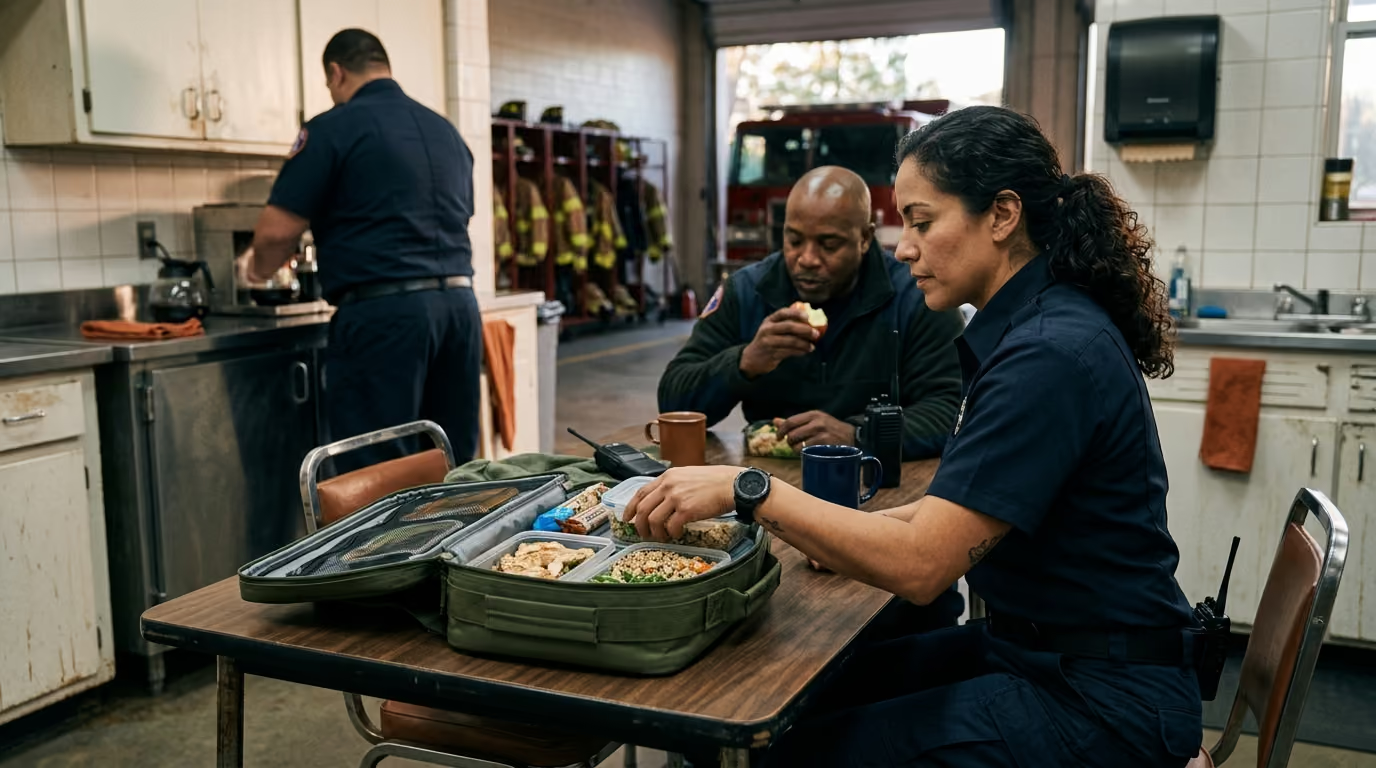
You are three hours into a twelve-hour patrol or ambulance shift when dispatch drops a major incident. The hot meal you planned to buy disappears, replaced by staging lines, extended transport times, or long perimeter control. By hour eight, fatigue sets in, physical coordination drops, and the only visible food is a gas station pastry or a fast-food drive-through.
A duty-bag food kit solves this problem through planned redundancy. It is not just a collection of random snacks thrown into a bag. It is a portable, reliable nutrition system designed to maintain physical readiness, cognitive clarity, and digestive comfort across unpredictable emergency service shifts.
Building an effective duty-bag food kit requires an anchor meal, modular quick-use snacks, a dedicated emergency reserve, and an intentional hydration strategy. By packing foods that match your operational environment, digestion speed, and shift length, you protect your operational readiness and long-term health.
What the evidence shows on shift nutrition and energy availability
Nutritional research across occupational and athletic settings shows that physical work capacity, cognitive function, and metabolic regulation depend heavily on regular nutrient availability. In emergency services, nutrition cannot follow a rigid schedule. The scientific evidence provides clear parameters for daily macronutrient needs, hourly fuel rates during sustained work, and hydration balance.
The International Society of Sports Nutrition established that active individuals require approximately 1.4 to 2.0 grams of protein per kilogram of body weight per day to maintain muscle mass and support physical recovery. For first responders performing heavy lifting, extrications, or structural firefighting, meeting this baseline supports muscular durability across a multi-decade career. On shift, distributing protein across multiple meals and snacks helps preserve lean tissue and stabilizes hunger signals far better than high-sugar convenience foods.
During prolonged or intense physical work lasting longer than sixty minutes, the American College of Sports Medicine recommends consuming 30 to 60 grams of carbohydrate per hour. This guideline applies directly to prolonged fireground operations, extended search-and-rescue missions, or active tactical deployments. Rapidly digestible carbohydrates maintain blood glucose levels, spare muscle glycogen, and support central nervous system function under physical stress.
Hydration research highlights the delicate balance between fluid intake and electrolyte retention. Evidence on endurance performance establishes a baseline fluid replacement range of 400 to 800 milliliters per hour during exertion, adjusted for ambient temperature, gear weight, and individual sweat rates. Sodium losses during heavy sweating should be replaced at a rate of roughly 300 to 600 milligrams per hour during prolonged activity. Sports medicine guidelines emphasize that drinking excessive plain water without electrolytes during heavy sweating increases the risk of exercise-associated hyponatremia.
Circadian biology research from the National Institute for Occupational Safety and Health demonstrates that digestive efficiency, insulin sensitivity, and gastric motility decrease substantially during biological night. Eating heavy, high-fat, or sugar-laden meals between midnight and 6:00 a.m. contributes to gastrointestinal distress, acute sleepiness, and metabolic dysfunction. The evidence strongly supports lighter, nutrient-dense foods during night shifts to maintain alertness without overloading the digestive tract.
How emergency response environments change nutritional demands
Standard dietary advice assumes consistent meal breaks, predictable exertion levels, and reliable access to refrigeration. Emergency response environments disrupt every one of these assumptions. When you wear thirty to seventy pounds of protective equipment, your metabolic rate and thermoregulatory load rise dramatically. Heat trapped by structural turnouts or ballistic vests increases core body temperature and accelerates fluid and glycogen depletion.
Call volume introduces total temporal unpredictability. A crew may begin preparing a meal at the station only to leave it on the counter for four hours while responding to multiple dispatches. In emergency medical services and law enforcement, personnel frequently operate out of vehicles without access to microwaves, sinks, or cold storage. When hunger strikes during a busy run, responders often turn to fast-food outlets out of sheer necessity.
A study examining dietary patterns among EMS personnel and firefighters highlighted that shift-based convenience eating frequently leads to excessive intakes of sodium, saturated fat, and added sugars. This reliance on fast food is rarely a lack of personal discipline. It is an environmental consequence of operating without portable, pre-staged food reserves.
Acute psychological and physical stress also alters digestion. High-acuity calls trigger sympathetic nervous system activation, which diverts blood flow away from the stomach and intestines toward the skeletal muscles and heart. Eating a large, complex meal immediately before or during acute stress often leads to nausea, cramping, or severe acid reflux. First responders require foods with variable digestion rates that provide energy without placing high demands on the gastrointestinal tract. You can learn more about structured approaches in our practical meal strategies for demanding shifts.
How to audit your shift demands and duty gear
Before selecting individual foods, conduct an operational audit of your typical work environment. A single food plan cannot fit a twenty-four-hour structural fire shift, a twelve-hour rural EMS rotation, and an eight-hour foot patrol.
Work through five operational questions to establish your nutritional parameters:
- What is the maximum realistic shift duration? Always pack for your scheduled shift length plus a mandatory four-to-six-hour reserve for late calls, holdovers, or major incidents.
- How fast must the food be consumed? Identify whether you will have seated ten-minute windows or whether you need items that can be opened, eaten, and sealed with one hand in under ninety seconds.
- What are the environmental extremes? Consider whether your duty bag will sit in a vehicle trunk exposed to 100-degree summer heat or freezing winter temperatures.
- What physical storage facilities exist? Determine whether you have reliable access to a station refrigerator, an apparatus cab cooler, a microwave, or zero cold storage.
- What dietary requirements or food intolerances apply? Account for personal medical needs, including celiac disease, lactose intolerance, cardiovascular parameters, or food allergies.
Facility constraints dictate food stability. Categorize your duty setup into one of four logistical tiers:
- Tier 1: Full facility access. You have a reliable kitchen, refrigerator, microwave, and clean water source at a station base.
- Tier 2: Vehicle mobile cooler. You carry an insulated cooler with ice packs inside an ambulance cab, patrol vehicle, or battalion command unit.
- Tier 3: Shelf-stable vehicle storage. Food must survive inside a duty bag or trunk without refrigeration for twelve to twenty-four hours.
- Tier 4: Line pack deployment. Food and water must be carried on your body or in a wildland pack where weight, volume, and extreme heat govern every choice.
Auditing these factors prevents the common error of packing perishable or delicate meals that spoil before you have a chance to eat them.
The anchor and reserve food kit framework
An effective duty-bag nutrition system relies on an anchor-plus-modular-reserve structure. Rather than viewing shift food as a random assortment of items, organize your bag into five functional layers. This modular design ensures you always have the right type of fuel for the operational tempo of the day.
- 5. POST-SHIFT RECOVERY LAYER
- Protein, fluid, low-glycemic carbohydrates
- 4. EMERGENCY RESERVE LAYER
- Shelf-stable, temperature-hardy fuel
- 3. MODULAR QUICK-USE SNACKS
- Rapid carbohydrates, portable proteins, clean fats
- 2. PRIMARY SHIFT ANCHOR
- Balanced macronutrient core (solid, complex meal)
- 1. PRE-SHIFT FOUNDATION
- Pre-duty hydration, stable baseline fuel
Layer 1: The Pre-Shift Foundation
Your shift nutrition begins before you clock in. Consuming a balanced meal containing lean protein, complex carbohydrates, and healthy fats sixty to ninety minutes before duty establishes baseline blood glucose. It also prevents arriving at the station or briefing in a depleted state. Starting a shift hungry immediately places you at the mercy of fast food or commercial snacks during early calls.
Layer 2: The Primary Shift Anchor
The anchor is your most substantial meal intended for the shift. It provides the complex carbohydrates, complete protein, and micronutrients needed to sustain physical readiness across several hours.
Examples of durable anchor meals include:
- A cold grain bowl combining quinoa, roasted chicken breast, sweet potato cubes, and pumpkin seeds.
- A whole-wheat wrap containing sliced turkey, hummus, spinach, and provolone cheese.
- A shelf-stable pouch of seasoned lentils or chickpeas paired with pre-cooked brown rice pouches.
- A thermal container filled with thick beef and vegetable stew or chicken chili prepared before the shift.
If you have refrigeration, the anchor can be stored cold until an operational window opens. If operating without cold storage, build the anchor entirely from shelf-stable components that assemble in seconds.
Layer 3: Modular Quick-Use Fuel
Modular snacks solve the problem of interrupted shifts. These items require zero preparation, produce minimal mess, and digest smoothly during intermittent physical exertion.
Organize your modular snacks into functional categories:
- Quick carbohydrates: Dried apricots, unsweetened applesauce pouches, pretzels, whole-fruit strips, or bananas. These deliver rapid energy between consecutive calls.
- Sustained protein: Turkey jerky, biltong, dry-roasted edamame, shelf-stable tuna pouches, or single-serve protein shakes.
- Healthy fats: Individual packets of almonds, walnuts, pumpkin seeds, or single-serve nut butter pouches.
- Salt replenishment: Pickles in single-serve pouches, salted pretzels, or electrolyte drink mixes for high-heat environments.
By carrying two to four modular items, you can match your fuel intake to the workload without committing to a full seated meal.
Layer 4: The Emergency Reserve
The emergency reserve is a separate, dedicated food compartment inside your duty bag. It is strictly not for casual snacking during a standard shift. This food exists solely for mandatory overtime, extended search operations, major structure fires, or natural disaster responses.
Characteristics of proper emergency reserve food:
- Shelf stability of six to twelve months.
- High caloric density in a compact physical footprint.
- Complete resistance to vehicle heat and freezing temperatures.
- No requirement for water, heating, or utensils.
- Individually wrapped and durable packaging that resists crushing.
Nutrient-dense oat bars, meal replacement bars with balanced macronutrients, roasted nut blends, and foil-pouched meats serve as dependable emergency reserves. Keep this layer zipped away in an internal pocket so you never deplete it during routine shifts.
Layer 5: Post-Shift Recovery Food
How you conclude a shift directly influences your recovery and subsequent sleep quality. If you finish a demanding tour physically exhausted and completely depleted, eating a heavy fast-food meal right before going to bed disrupts sleep architecture.
Pack a light, easily digestible recovery item in your kit for the drive home or station debrief:
- A shelf-stable ultra-filtered milk or soy protein beverage.
- A small portion of tart cherry juice paired with a handful of walnuts.
- A scoop of whey or plant protein powder pre-measured in a dry shaker bottle, ready for water.
This layer begins muscular repair and stabilizes blood sugar without overloading your stomach before your main sleep period. Understanding how meal timing impacts rest is critical, particularly when navigating nighttime light exposure and cardiovascular health.
Selecting shelf-stable and temperature-tolerant foods
When you work out of a vehicle or a pack, ambient temperature dictates what you can safely carry. Heat inside a closed patrol car trunk or an apparatus side compartment can exceed 120 degrees Fahrenheit in the summer. Cold winter environments can freeze fresh fruit and liquids solid within hours.
Building a resilient food kit requires understanding how different food formats tolerate environmental stress.
Carbohydrate Selection Criteria
Carbohydrates fuel high-intensity muscular contractions and cognitive decision-making under stress. For field durability, choose items with low moisture content and durable packaging.
- High heat tolerance: Pretzels, plain whole-grain crackers, vacuum-sealed tortillas, dried dates, rolled oats, and dehydrated fruit crisps. These items do not melt, ferment, or spoil when exposed to elevated temperatures.
- Freezing tolerance: Crackers, dehydrated fruit, dry cereal, and plain grain cakes. Avoid high-moisture items like fresh whole oranges or apples in sub-freezing conditions, as freezing ruptures their cellular structure and causes rapid spoilage upon thawing.
- Tactical usability: Pouched fruit purees and fruit leathers offer rapid carbohydrate delivery that can be consumed while wearing gloves or operating equipment.
Protein Selection Criteria
Protein sources require careful selection to avoid food-borne pathogens while delivering complete amino acid profiles.
- Pouched seafood and poultry: Foil pouches of tuna, salmon, and chicken breast are pressure-sterilized and fully shelf-stable. They eliminate the need for a can opener and weigh significantly less than traditional canned goods.
- Cured and dried meats: Jerky, biltong, and meat sticks provide compact, durable protein. Select brands with minimal added sugars, modest sodium levels, and no artificial nitrates where practical.
- Plant-based shelf-stable proteins: Roasted chickpeas, dry-roasted edamame, and seasoned lupini beans provide stable protein along with dietary fiber and essential minerals.
- Shelf-stable dairy and alternatives: Single-serve, aseptic cartons of ultra-filtered milk, pea protein beverages, or soy milk remain shelf-stable for months until opened.
Healthy Fat Selection Criteria
Dietary fats provide sustained energy and support satiety during prolonged shifts where carbohydrate intake is intermittent.
- Dry-roasted nuts and seeds: Almonds, walnuts, cashews, sunflower seeds, and pumpkin seeds provide calorie-dense fuel that withstands broad temperature ranges.
- Single-serve nut butter packets: Peanut, almond, or sunflower butter squeeze pouches offer clean fats and moderate protein. In freezing weather, keep a packet in an internal uniform pocket to soften it before consumption.
- Olive oil and seed packets: Pre-portioned packets of extra virgin olive oil or whole olives in vacuum pouches provide shelf-stable monounsaturated fats that can be added directly to pouched fish or grain bowls.
Produce Strategies for the Field
Fresh fruits and vegetables are often the first casualty of shift work, leading to low micronutrient and fiber intake. You can integrate produce into portable kits using specific strategies:
- Durable whole fruits: Apples, firm oranges, and small grapefruits survive several days in a kit without bruising, unlike soft berries or bananas.
- Shelf-stable vegetable purees: Organic vegetable and fruit blend pouches designed for adults or athletes provide potassium, vitamin C, and polyphenols with zero refrigeration.
- Freeze-dried vegetables: Freeze-dried green peas, corn, and bell peppers retain their micronutrient profiles, weigh almost nothing, and provide a crunchy, shelf-stable vegetable option.
Choosing whole, unprocessed items whenever possible supports your overall goals for nutrition and body composition.
Fluid planning and electrolyte logistics for long shifts
Hydration is an operational logistics challenge. Even mild dehydration of two percent body mass loss impairs thermoregulation, reduces muscular endurance, and slows cognitive processing speed. First responders cannot afford degraded reaction times during emergency operations.
A complete hydration system accounts for equipment capacity, fluid accessibility, refill opportunities, and electrolyte balance.
Hydration Systems: Bladders versus Bottles
The container you choose determines how consistently you hydrate during high-tempo operations.
- Water bottles: Wide-mouth stainless steel or heavy-duty BPA-free plastic bottles are simple to clean, durable, and easy to refill at stations or municipal connections. However, accessing a bottle while wearing structural turnouts, driving an ambulance, or holding a perimeter requires stopping what you are doing.
- Hands-free sipping systems: Hydration bladders worn inside wildland packs or tactical carriers allow regular fluid intake while moving and working. An occupational study evaluating wildland firefighters found that personnel consumed similar total daily fluid volumes regardless of whether they used a bladder sipping system or standard water bottles, averaging roughly 3.1 to 3.4 liters per shift. The primary advantage of a bladder system is convenience during continuous manual labor.
Maintain a strict cleaning protocol for all hydration equipment. Wash bottles daily and sanitize hydration bladders weekly using effervescent cleaning tablets to prevent microbial growth inside delivery hoses and bite valves.
Electrolyte Management and Hyponatremia Risks
Plain water is sufficient for standard station duties, administrative tasks, and low-intensity shifts in temperature-controlled environments. When operations involve heavy gear, high ambient heat, or sustained exertion lasting over an hour, electrolyte replacement becomes necessary.
Under heavy physical loads in full protective gear, sweat rates can easily reach 1.0 to 2.0 liters per hour. Sodium is the primary electrolyte lost in sweat, ranging from 500 to over 1,500 milligrams per liter depending on individual genetics and heat acclimatization.
Follow these practical guidelines for field electrolyte use:
- Base electrolyte strategy: For continuous exertion lasting over sixty minutes in moderate to high heat, target 300 to 600 milligrams of sodium per hour mixed into your fluids.
- Avoid excessive plain water intake: Drinking gallons of plain water during heavy sweat loss without replacing sodium dilutes plasma sodium levels, potentially leading to exercise-associated hyponatremia. Symptoms include confusion, severe headache, nausea, muscle twitching, and dizziness.
- Monitor hydration indicators: Evaluate your urine color at regular intervals. Pale yellow indicates adequate hydration. Dark, concentrated urine indicates fluid deficits, while completely clear, copious urine may indicate excessive fluid intake relative to solute balance.
- Evaluate sweat residue: If your uniform or tactical vest shows thick white salt rings after calls, you are a salty sweater and require deliberate sodium replacement in your shift kit.
Responders diagnosed with hypertension, kidney disease, or cardiovascular conditions must consult their managing physician before using high-sodium electrolyte supplements.
Managing food safety in vehicles and stations
Food safety is a non-negotiable operational consideration. An episode of food-borne illness on duty compromises crew safety, takes an emergency unit out of service, and degrades personal health.
Vehicles act as thermal incubators. The United States Department of Agriculture establishes clear time and temperature thresholds to prevent pathogenic bacterial proliferation in perishable foods:
- The Danger Zone: Perishable foods containing poultry, meat, dairy, eggs, cooked grains, or cut vegetables must not remain between 40 degrees and 140 degrees Fahrenheit.
- The Two-Hour Rule: Perishable items can remain at standard room temperature for a maximum of two hours before becoming unsafe.
- The One-Hour Extreme Heat Rule: When ambient temperature inside a vehicle or outdoor staging area exceeds 90 degrees Fahrenheit, the safe window drops to just one hour.
- USDA FOOD SAFETY TEMPERATURE RULES
- 90°F (32.2°C) Ambient Temp 1 HOUR MAX Room Temp
- 40°F to 90°F (4.4°C to 32.2°C)-- 2 HOURS MAX Room Temp
- Below 40°F (4.4°C) Safe Refrigeration Zone
Implementing Cold-Chain Management
If your food kit contains fresh meats, dairy, eggs, or cooked meals, you must maintain a verifiable cold chain:
- Use heavy-duty, commercial-grade soft or hard coolers with closed-cell foam insulation. Thin promotional lunch bags are inadequate for twelve-hour shifts in warm apparatus cabs.
- Utilize solid, reusable freeze gel packs or frozen water bottles rather than loose ice cubes. Loose ice melts rapidly and submerges food containers in contaminated water.
- Pack your cooler with pre-chilled food directly from a refrigerator. Placing warm or room-temperature food into a cooler rapidly degrades the cooling capacity of your ice packs.
- Keep the cooler closed. Every time a cooler lid is opened in a warm vehicle, cold air escapes and accelerates temperature rise.
- Establish a strict discard policy. If perishable food has spent more than two hours in the danger zone, or one hour in high heat, dispose of it immediately without tasting it.
For personnel operating without reliable cold-chain equipment, build your duty kit entirely from commercially sterile, vacuum-sealed, shelf-stable items.
Allergen Management and Cross-Contact Prevention
Food allergies require rigorous operational discipline, especially in communal station environments where crews share prep surfaces, cookware, and storage bins.
The Food and Drug Administration mandates that commercial food labels clearly identify major food allergens, including milk, eggs, fish, crustacean shellfish, tree nuts, peanuts, wheat, soybeans, and sesame. However, reading ingredient lists is only the first step. Cross-contact, defined by regulatory guidance as the unintentional transfer of an allergenic substance to an otherwise allergen-free food, represents a major risk during field operations.
To manage allergy safety on shift:
- Store your personal food kit in a dedicated, sealed container to prevent contact with shared station snacks or apparatus dust.
- Carry sanitizing surface wipes in your duty bag to clean vehicle steering wheels, mobile data terminals, and folding tables before preparing or consuming food.
- Never share utensils, shaker cups, or water bottles on shift.
- If you carry an emergency epinephrine auto-injector for diagnosed severe allergies, ensure it is protected from extreme temperature swings inside your personal gear bag.
Day shift versus night shift meal timing
Circadian rhythms regulate gastric acid secretion, gut enzyme activity, and metabolic rate. Eating in alignment with your circadian cycle improves digestion, stabilizes energy levels, and protects long-term cardiometabolic health. Day shifts and night shifts require distinctly different fueling strategies.
Fueling the Day Shift
Day shifts align with normal human diurnal biology. Digestion and insulin sensitivity peak during daylight hours, making this the optimal window for consuming your most substantial meals.
A reliable day-shift template includes:
- Wake-up foundation: A balanced breakfast consisting of eggs, whole-grain oats, and fruit eaten before duty.
- Mid-shift anchor: Consume your primary anchor meal between 12:00 p.m. and 2:00 p.m. to sustain afternoon physical and cognitive performance.
- Modular afternoon fuel: A portable protein and carbohydrate snack around 4:00 p.m. to prevent late-shift energy crashes.
- Post-shift dinner: A complete, nutrient-dense evening meal consumed at least
two to three hours before bedtime to support deep recovery sleep.
Fueling the Night Shift
Night shifts force the body to operate during biological downtime. NIOSH occupational guidance advises shift workers to maintain a standard daytime eating pattern as closely as possible and minimize caloric intake between midnight and 6:00 a.m.
Eating large, high-carbohydrate, or high-fat meals in the middle of the night causes pronounced blood glucose spikes and triggers significant digestive lethargy. To adapt, use a light, modular fueling strategy. You can review deeper physiological protocols in our resource on time-restricted eating windows for shift workers.
Follow this night-shift operational timeline:
- Pre-shift anchor meal: Eat your most substantial meal of the day between 5:00 p.m. and 7:00 p.m. before reporting for duty. This meal fuels the first half of the night.
- First half of the shift (8:00 p.m. to 12:00 a.m.): Consume light, high-protein snacks such as Greek yogurt, jerky, or roasted edamame if hunger arises.
- The midnight to 6:00 a.m. window: Avoid large meals entirely. If you experience hunger, consume small, low-glycemic, light items like a handful of raw almonds, a vegetable broth, or a plain fruit pouch.
- Pre-sleep recovery snack (6:30 a.m. to 7:30 a.m.): If you go to bed ravenous, hunger hormones will wake you prematurely. Eat a small, light breakfast consisting of a hard-boiled egg, half a piece of whole-wheat toast, or a small cup of oatmeal thirty minutes before daytime sleep.
- Main post-sleep meal: Eat your next full meal after waking from your primary daytime sleep block.
Strategic caffeine use is closely tied to night nutrition. Stop caffeine consumption four to six hours before your anticipated morning sleep window. For specific caffeine taper protocols, review our guide on structured fueling and caffeine strategies for night duty.
Sample food kit templates for common shift lengths
To translate these principles into practical gear setups, use the following duty-bag blueprints tailored to specific shift formats and operational demands.
Template 1: 12-Hour Urban EMS Tour
- Operational profile: High call volume, constant vehicle operation, frequent interruptions, unpredictable return to base, moderate physical lifting.
- Storage environment: Apparatus cab with small insulated soft cooler, no guaranteed microwave.
Kit Contents:
- Anchor meal: Pre-cooked shredded chicken breast with quinoa, roasted sweet potatoes, and olive oil dressing stored in a leak-proof container inside an insulated cooler.
- Modular snack 1: Two packets of tuna in olive oil paired with whole-wheat pita pockets.
- Modular snack 2: Two unsweetened applesauce squeeze pouches and a bag of salted pretzels.
- Modular snack 3: A bag of raw almonds and walnuts.
- Emergency reserve: Two high-protein oat meal replacement bars kept in an interior dry compartment.
- Hydration: One 32-ounce insulated water bottle plus two single-serve electrolyte packets.
Template 2: 10-Hour Overnight Law Enforcement Patrol
- Operational profile: Sedentary vehicle patrol interspersed with sudden high-acuity physical incidents, limited cold storage, low night-shift metabolic throughput.
- Storage environment: Patrol bag in passenger seat or trunk, no dependable station breaks.
Kit Contents:
- Anchor meal: Consumed at home before shift start (grilled salmon, brown rice, steamed green beans).
- Modular snack 1 (10:00 p.m.): Plain low-fat Greek yogurt cup kept in a small thermal pouch with frozen gel pack, topped with chia seeds.
- Modular snack 2 (1:30 a.m.): Grass-fed beef jerky stick paired with a crisp apple.
- Modular snack 3 (4:00 a.m.): A small handful of dry-roasted pumpkin seeds and chamomile or peppermint tea in a thermal tumbler.
- Pre-sleep snack (7:00 a.m.): One small banana and one hard-boiled egg before morning sleep.
- Emergency reserve: One vacuum-sealed bag of trail mix (nuts, seeds, dried coconut) in the patrol bag.
- Hydration: One 40-ounce stainless steel water bottle, focusing on plain water throughout the night.
Template 3: 24-Hour Fire and Rescue Shift
- Operational profile: Station living punctuated by high-exertion structural fires, extrications, and medical runs, unpredictable sleep, reliable station kitchen facilities with frequent call disruption.
- Storage environment: Full station refrigerator access with personal duty gear bag backup for prolonged scene responses.
Kit Contents:
- Planned station meals: Standard crew lunch and dinner participation (balanced lean meats, complex carbohydrates, vegetables).
- Duty bag modular snacks (for out-of-quarters runs):
* Two foil-sealed salmon pouches and whole-grain seed crackers.
* Two natural energy bars made with dates, oats, and nuts.
* Four single-serve electrolyte replacement packets providing 500 mg sodium each.
* Two fruit puree squeeze pouches for rapid rehabilitation staging.
- Emergency reserve: Three shelf-stable lentil and brown rice ready-to-eat pouches stored in duty locker.
- Post-incident recovery: One single-serve pouch of whey or plant isolate protein ready to mix in a shaker bottle following structural fire overhauls.
- Hydration: One 64-ounce heavy-duty water jug for station baseline hydration and one 24-ounce quick-draw bottle for apparatus cab staging.
Template 4: Wildland Fire or Extended Incident Deployment
- Operational profile: Sustained manual labor, high ambient heat, dense protective clothing, remote operations with zero facility access for 14 to 16 hours.
- Storage environment: Wildland line gear pack carried on the body, subject to extreme thermal and physical stress.
Kit Contents:
- Anchor fuel: Three vacuum-packed flour tortillas with two single-serve almond butter squeeze packs and one pouch of seasoned chicken breast.
- Continuous shift food (hourly pacing):
* Two packages of dried fruit strips or dried apricots.
* Two packages of salted pretzels or corn chips for sodium replenishment.
* Two high-calorie oat and honey bars.
* One bag of salted roasted edamame.
- Emergency reserve: Four high-density survival food ration bars sealed in a waterproof heavy-gauge bag.
- Hydration system: 100-ounce hydration bladder inside the pack frame plus two 32-ounce hard-sided canteens on the belt, supported by four high-sodium electrolyte drink tablets.
Common mistakes in first responder meal planning
Even well-intentioned responders frequently encounter pitfalls that compromise their nutrition systems. Identifying these common errors helps you build a more functional food kit.
- Relying exclusively on processed bars: Protein bars and energy bars are convenient, but building an entire shift kit out of bars causes gastrointestinal distress, digestive fatigue, and micronutrient deficiencies. Bars should serve as modular tools and reserves, not the primary core of your daily nutrition.
- Confusing stimulants with metabolic fuel: Drinking an energy drink when your body requires calories, water, and sleep is a widespread habit in emergency services. Caffeine temporarily masks fatigue signals in the central nervous system, but it provides zero substrate for muscular work or glycogen replenishment.
- Packing foods that require complex preparation: Packing raw ingredients that require ten minutes of chopping, cooking, or elaborate reheating guarantees you will abandon your food plan during busy shifts. Choose pre-cooked, pre-portioned foods that require zero to ninety seconds of prep.
- Ignoring vehicle heat dynamics: Leaving an insulated lunch cooler in a closed vehicle on a hot summer afternoon rapidly overwhelms ice packs, turning safe meals into bacterial hazards. Treat cold food management with the same operational discipline as equipment maintenance.
- Forgetting to rotate the emergency reserve: Emergency rations left at the bottom of a duty bag for two years degrade in flavor, nutritional value, and packaging integrity. Establish a scheduled rotation every six months to replace reserve bars and pouches with fresh stock.
- Forcing rigid meal schedules on chaotic shifts: Trying to eat a large meal at precisely 12:00 p.m. every shift will cause frustration. Adopt a flexible mindset based on operational windows. When an opportunity presents itself, consume a modular item rather than waiting for a perfect hour-long break that may never come.
Managing unique dietary needs on duty
Operating with specific dietary constraints in emergency services requires deliberate planning, especially when station food culture favors communal, high-calorie meals.
Plant-Based Responders (Vegetarian and Vegan)
Vegetarian and vegan first responders can readily meet their macronutrient and micronutrient targets on duty through strategic food selection:
- Complete protein combinations: Pair shelf-stable legumes with grains, such as canned black beans with brown rice, or peanut butter with sprouted whole-wheat tortillas.
- Portable high-protein staples: Pack dry-roasted edamame, seasoned lupini beans, roasted chickpeas, organic tofu jerky, and pea-protein-fortified oat milks.
- Micronutrient monitoring: Pay close attention to dietary iron, zinc, and vitamin B12 intake. Incorporate fortified nutritional yeast, pumpkin seeds, and dark leafy greens into anchor meals prepared at home.
Medically Necessary Gluten Avoidance and Celiac Disease
For responders with celiac disease or diagnosed gluten intolerance, communal station meals present severe cross-contamination hazards:
- Strict separation of gear: Carry your own dedicated mess kit, including utensils, plate, and cutting board, stored securely in your duty bag. Never use station wooden cutting boards, communal toasters, or shared sponge scrubbers that harbor gluten residues.
- Certified packaged staples: Rely on certified gluten-free oat bars, vacuum-sealed rice pouches, certified gluten-free jerky, and fruit pouches for shift fuel.
- Clear crew communication: Inform your crew matter-of-factly about your medical requirements to prevent well-intentioned cross-contact during station meal prep.
Managing Medical Conditions: Hypertension and Diabetes
First responders managing chronic metabolic conditions must align their food kits with clinical directives:
- Blood sugar stabilization: Responders with insulin resistance or type 2 diabetes should prioritize lean proteins, soluble fiber, and healthy fats while limiting refined, high-glycemic carbohydrates that cause rapid blood sugar fluctuations.
- Sodium modulation: While heavy sweating justifies sodium supplementation for many responders, those with salt-sensitive hypertension or cardiovascular disease must carefully regulate electrolyte products according to their physician's recommendations.
To understand how cumulative occupational stress and schedule irregularity compound these nutritional challenges, read our analysis on shift-work fatigue and circadian strain.
When professional nutrition guidance makes a difference
A duty-bag food kit is a practical logistical system for occupational readiness. However, specialized situations require clinical evaluation from licensed professionals, including registered dietitians specializing in sports dietetics or occupational health, endocrinologists, and primary care physicians.
Seek qualified professional consultation if you experience:
- Persistent gastrointestinal distress: Chronic bloating, severe acid reflux, cramping, or altered bowel habits that persist regardless of food choices require medical investigation to rule out conditions like inflammatory bowel disease, severe food allergies, or ulcers.
- Chronic, unresolving fatigue: If profound exhaustion persists despite adequate calorie intake and structured sleep, clinical blood panels are necessary to evaluate iron status, thyroid function, endocrine balance, and vitamin D levels.
- Management of complex chronic diseases: Formulating a nutrition strategy alongside diagnoses of cardiovascular disease, renal conditions, or type 1 or type 2 diabetes demands personalized medical nutrition therapy that accounts for medication timing and shift schedules.
- Significant, unintentional body composition changes: Rapid, unexplained weight loss or stubborn weight gain accompanied by metabolic dysfunction warrants an individualized clinical assessment rather than standard fitness advice.
A licensed professional can evaluate your comprehensive blood work, medical history, and specific occupational demands to build a targeted nutritional protocol.
When to revisit this resource
Your duty-bag food kit is not a static setup. Revisit this guide and audit your nutrition system whenever your operational reality changes:
- Seasonal weather shifts: Transitioning from winter operations to extreme summer heat requires increasing electrolyte concentrations, adjusting fluid volumes, and altering perishable food strategies.
- Shift rotation modifications: Moving from a steady day schedule to rotating shifts or permanent overnights demands restructuring your meal timing and caffeine taper windows.
- Changes in duty assignment: Moving from an administrative role to a busy field unit, or deploying on wildland fire details, requires an immediate increase in carbohydrate availability and emergency caloric density.
- Changes in personal health status: Alterations in your cardiovascular health, metabolic markers, or gastrointestinal tolerance require a systematic reassessment of your duty kit contents.
Building a resilient, portable food kit is a direct investment in your operational readiness, career longevity, and personal health. By maintaining planned redundancy and packing food suited to the realities of emergency services, you ensure that no matter how chaotic the shift becomes, your capability remains uncompromised.
Sources
- Diet Suggestions for Night-Shift Nurses - CDC
- Characterizing the Quality of On- and Off-Shift Dietary Intake by EMS ...
- Keeping "Bag" Lunches Safe
- Safe Handling of Take-Out Foods
- NIOSH Training for Nurses on Shift Work and Long Work Hours
- Simple Food Safety Steps for Spring Holiday Meals
- NIOSH Training for Nurses on Shift Work and Long Work Hours
- American College of Sports Medicine position stand. ...
- International Society of Sports Nutrition position stand: protein ... - PMC
- Nutrition and Supplement Update for the Endurance Athlete
- International society of sports nutrition position stand - PMC
- Food Allergens/Gluten-Free Guidance Documents & ...
- Food Allergen Labeling Guidance for Industry
- (PDF) Sec. 555.250 Major Food Allergen Labeling and Cross-contact - FDA