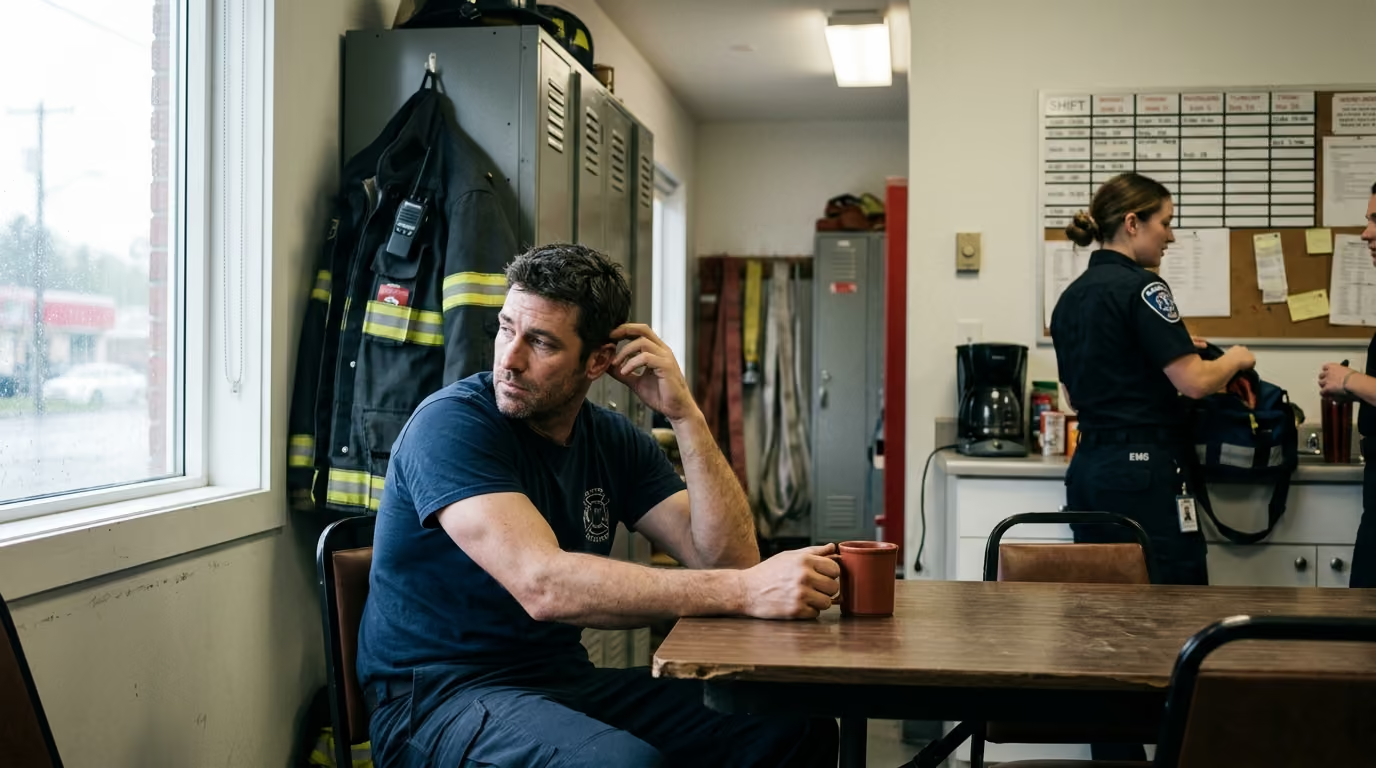

First responders can manage shift work fatigue and protect their long-term health by applying a practical seven-level recovery hierarchy built around science-backed sleep strategies.





You step off the apparatus floor at 07:30 after a twenty-four-hour tour. Your body aches from structural fire runs and three medical calls after midnight. You stop at a convenience store for a massive energy drink, pick up a new magnesium supplement you read about online, and check your smart ring sleep score. Yet your fundamental problem remains unaddressed: your schedule gave you four fragmented hours of rest, and you have another shift starting in thirty-six hours.
A recovery hierarchy is a prioritization framework designed to fix this misalignment. It organizes recovery practices by their true physiological impact, placing foundational factors like sleep opportunity and roster design at the very top. Lower-leverage tools, including wearable technology, supplements, and elaborate pre-bed routines, sit at the bottom. Individual recovery tactics cannot overcome a severe lack of protected time off, excessively long shifts, or rapid transitions between duty periods.
By building your recovery from the ground up, you can focus your limited energy on changes that create measurable improvements in alertness, safety, and long-term health.
The most effective way to manage shift-work fatigue is to address high-leverage organizational and behavioral factors before adding minor interventions. Sleep opportunity is the total protected time available for rest once commutes, meals, and family duties are removed. If that window is smaller than seven hours, no supplement or recovery gadget can prevent cumulative fatigue.
The recovery hierarchy organizes fatigue management into seven descending levels:
Each level builds on the one above it. When you face fatigue, work through the hierarchy from top to bottom rather than searching for quick fixes at the bottom.
Decades of occupational health research demonstrate that the human body does not fully adapt to working during the biological night. The circadian system naturally promotes wakefulness during daylight hours and drives sleepiness at night. When emergency calls force high cognitive and physical output during the early morning hours, the risk of operational errors and physical injuries climbs significantly.
Consensus guidelines from the American Academy of Sleep Medicine recommend that adults obtain at least seven hours of sleep per twenty-four-hour period on a regular basis. Consistently sleeping less than seven hours impairs vigilance, decision-making, emotional regulation, and physical reaction time. Over years of service, chronic short sleep is strongly associated with cardiovascular disease, metabolic syndrome, depression, and compromised immune function.
Research within emergency services reveals a substantial sleep debt across the profession. In a field study of emergency medical services personnel, the mean sleep obtained before a shift was 6.2 hours, while sleep obtained during active duty averaged only 3.4 hours. The highest levels of subjective fatigue and concentration difficulty occurred during extended twenty-four-hour shifts between 03:00 and 04:00.
The prevalence of undiagnosed sleep disorders among emergency personnel is also high. A systematic review and meta-analysis found that approximately 30% of first responders screen positive for obstructive sleep apnea, 31% meet criteria for Shift Work Disorder, and 28% suffer from chronic insomnia. In a study of active firefighters, 37.2% screened positive for at least one sleep disorder. Furthermore, nearly half of firefighters working overnight shifts reported getting six or fewer hours of total sleep across the twenty-four-hour duty period.
The evidence is clear that while individual behaviors matter, shift duration and roster patterns dictate baseline risk. A systematic review evaluating shift lengths in emergency services indicated that shifts shorter than twenty-four hours are more favorable for safety, sleep duration, and performance than longer tours. While high-quality randomized trials in operational environments remain rare, observational data consistently shows that unmanaged shift work takes a heavy toll on responder health without structured safeguards.
Recovery for a shift worker is far more complex than simply waking up feeling rested. It involves multiple physiological and operational factors that must be understood separately to build a functional routine.
Sleep quantity refers to the total number of minutes slept across a twenty-four-hour cycle. Sleep quality describes the continuity and depth of that rest, specifically whether you cycle smoothly through deep slow-wave sleep and rapid eye movement stages without frequent awakenings. Circadian alignment measures how well your work, light exposure, meals, and rest periods match your internal biological clock.
Sleep opportunity must be distinguished from sleep obtained. Sleep opportunity is the actual block of time protected for rest. A responder might have twelve hours between shifts, but after accounting for a sixty-minute commute, vehicle maintenance, showering, eating, and caring for family, the true sleep opportunity may drop to barely six hours.
Understanding this distinction helps you avoid misdiagnosing your fatigue. When you feel exhausted, the cause usually falls into one of four distinct categories:
Treating all fatigue as a simple bedtime habit problem leads to frustration. If the roster gives you only six hours off between shifts, buying blackout curtains will not solve your exhaustion. You must apply the right solution to the specific problem.
The foundation of the entire hierarchy is protected sleep opportunity. If your schedule does not allow enough time to sleep, every other recovery strategy becomes a temporary patch.
Guidance from the National Institute for Occupational Safety and Health recommends establishing at least ten consecutive hours of protected off-duty time between shifts. This ten-hour window provides enough margin for travel, basic self-care, and seven to eight hours of uninterrupted rest. When demanding operations require consecutive working blocks, planning recovery days immediately following the rotation is critical for restoring baseline function.
To protect your sleep window, you must calculate your true sleep opportunity rather than looking at raw calendar hours. Start with the exact time you walk out of the station and subtract every non-negotiable obligation before your next report time. Account for your commute, post-shift handover delays, meal preparation, personal hygiene, and decompression. If the remaining number is under seven hours, your schedule is in a structural deficit.
When analyzing operational schedules, specific roster patterns carry distinct recovery profiles:
Permanent day shifts offer the easiest circadian alignment and predictable sleep opportunities. Permanent night shifts can work well for biological adaptation, but only if the responder maintains a daytime sleep schedule on days off. In reality, family and social demands frequently pull night workers back into daytime schedules on weekends, causing severe circadian disruption twice a week.
Rotating schedules require careful direction. Forward-rotating rosters, where shifts move from day to evening to night, are much easier on the circadian system than backward-rotating rosters. Fast-rotating schedules with short turnaround periods, often called quick returns or clopenings, drastically compress sleep opportunity and should be avoided whenever possible.
Shifts lasting twenty-four hours can provide extended blocks of consecutive days off, which many responders prefer for lifestyle reasons. However, the physical and cognitive cost of a twenty-four-hour shift depends heavily on call volume. In a quiet station, a responder may obtain five to six hours of fragmented rest, but in a busy urban district, call volume can eliminate rest entirely. Responders working busy twenty-four-hour shifts face severe early-morning cognitive drops, making safe driving and clinical decisions difficult.
To manage these demands, treat overtime as a recovery decision rather than a financial one alone. Evaluate extra shifts based on how much sleep opportunity they eliminate. If taking an extra tour cuts your rest window below safe levels, the short-term financial benefit is outweighed by increased accident and health risks. For deeper roster comparisons, review our detailed guide on building a shift-specific sleep plan.
Once you have identified and protected your baseline sleep opportunity, the next priority is bringing stability to your sleep timing. The human body functions best when sleep occurs at predictable intervals. While emergency services make perfect regularity impossible, reducing unnecessary schedule chaos protects your circadian rhythm.
Create shift-specific sleep anchors based on your roster. On day shifts, maintain a consistent nighttime sleep window. On night shifts, commit to a protected daytime sleep block immediately after your morning commute, supplemented by a planned nap in the late afternoon before reporting for duty. On transition days, avoid forcing yourself to stay awake for twenty-four hours straight. Instead, take a short morning sleep block followed by an evening rest period to gradually adjust your clock.
Planned naps are one of the most effective tools for managing unavoidable sleep debt. The American Academy of Sleep Medicine identifies planned naps before and during night shifts as a highly effective method for reducing on-duty sleepiness. Naps can be organized into three operational categories:
When waking from any nap, you must account for sleep inertia. Sleep inertia is the temporary period of grogginess, slowed thinking, and motor impairment that occurs immediately after awakening. It is especially intense if you are awakened from deep slow-wave sleep during an emergency call.
To mitigate sleep inertia, limit on-duty rest periods to short twenty-minute power naps or allow a full ninety-minute sleep cycle. Stations should incorporate bright operational lighting in hallways, easy access to cold water, and brief movement protocols to help crews clear brain fog before responding to high-consequence incidents.
Once your schedule and sleep windows are structured, focus on the physical environment where you rest. Daytime sleep after a night shift is vulnerable to environmental disruption because ambient temperature, neighborhood noise, and sunlight are all peaking.
Your sleep environment should be dark, cool, and quiet. Ambient light entering the eyes suppresses melatonin production and signals the brain to wake up. Install high-quality blackout shades or use a contoured, comfortable eye mask that blocks all incoming light. Keep the bedroom temperature cool, ideally between 65 and 68 degrees Fahrenheit, as a drop in core body temperature is an essential trigger for deep sleep.
Noise control is equally important during daytime rest. Street traffic, lawnmowers, and household activity can repeatedly pull you out of deep sleep into lighter, non-restorative stages. Use high-grade silicone earplugs or run a dedicated white noise machine to mask unpredictable environmental sounds.
Manage communication boundaries strictly during your protected sleep blocks. Set your phone to silent or use customized focus modes that allow emergency calls from dispatch or family while blocking all other notifications. Communicate your sleep schedule clearly to your family, roommates, and friends so they understand that your daytime sleep is protected work recovery, not personal downtime.
High-stress calls, physical danger, and adrenaline spikes leave the nervous system in a state of sympathetic hyperarousal. If you try to jump straight into bed after a traumatic call or an intense physical rescue, you will likely toss and turn. Establish a brief, repeatable decompression routine lasting ten to fifteen minutes. A warm shower, changing out of uniform clothing, performing basic breath
work, or writing down lingering thoughts helps signal to your nervous system that duty has ended.
Keep this routine short and simple. An elaborate forty-five-minute wellness ritual that cuts into your actual sleep opportunity defeats the purpose of the hierarchy.
Light is the primary environmental cue that sets your internal circadian pacemaker. By controlling when you encounter bright light and when you avoid it, you can direct your circadian rhythm to support wakefulness on duty and rest at home.
During night operations, exposure to bright light helps maintain alertness and suppresses nighttime sleepiness. Use well-lit station bays, brightly illuminated office spaces, or mobile task lights when writing reports or reviewing patient charts during the early morning hours.
Toward the end of a night tour, your light strategy must reverse. Exposure to bright morning sunlight on the drive home signals the brain that a new day has begun, making it difficult to fall asleep upon arrival. Wear dark, polarized sunglasses during your morning commute to blunt blue-wavelength light. Keep indoor lighting dim when preparing for bed at home.
Meal timing also provides powerful circadian timing signals to peripheral clocks in the liver, stomach, and metabolic tissue. Eating heavy, carbohydrate-dense meals in the middle of the night strains digestion and causes blood glucose instability. When working overnight, stick to light, protein-focused snacks and consume your primary balanced meals during normal daytime hours. To read more about managing nutrition around biological timing, explore our resource on eating strategies for night shift workers.
Caffeine is a potent central nervous system stimulant that blocks adenosine receptors in the brain, temporarily masking the sensation of sleepiness. However, caffeine is an operational countermeasure, not a substitute for biological sleep. Relying on escalating doses of stimulants to push through severe chronic sleep loss leads to declining cognitive performance and poor physical health.
To use caffeine effectively without wrecking your subsequent rest, apply strict tactical timing:
A useful operational tactic during extended duties is the caffeine-nap combination. To perform this, consume a quick cup of black coffee or a 100-milligram caffeine tablet immediately before lying down for a twenty-minute nap. Because caffeine takes roughly twenty minutes to pass through the gastrointestinal tract and enter the bloodstream, it will not disrupt your sleep onset. As you awaken from the short nap, the caffeine takes effect just as your brain has cleared some accumulated adenosine, giving you a strong boost in alertness. For deeper guidance on managing stimulants on duty, see our comprehensive guide on managing caffeine on night shifts.
If you have optimized your sleep opportunity, stabilized your routine, controlled your environment, and still suffer from overwhelming daytime exhaustion, you are no longer dealing with a simple lifestyle problem. You may have an underlying clinical sleep disorder.
Shift work frequently unmasks or worsens medical conditions that require formal clinical diagnosis and treatment. In particular, obstructive sleep apnea is widespread among first responders due to high rates of neck girth, heavy physical loading, and occupational stress. When a responder has sleep apnea, the upper airway repeatedly collapses during sleep, causing hundreds of mini-awakenings each night and starving the brain of oxygen.
Responders should seek evaluation from a qualified sleep physician or primary care provider when experiencing specific red-flag indicators:
A formal clinical evaluation usually involves an overnight in-lab polysomnography study or a validated home sleep apnea test. Treating sleep apnea with continuous positive airway pressure therapy or oral appliances can restore restorative sleep stages, dramatically improve daytime vigilance, reduce cardiovascular strain, and save careers.
At the very top of the hierarchy are the tools that receive the most commercial marketing: dietary supplements, sleep-tracking wearables, and prescription pharmaceutical aids. While these tools can offer modest benefits when used appropriately, they occupy the lowest tier of leverage. They cannot fix an inherently unsafe roster or replace protected sleep opportunity.
Exogenous melatonin is a chronobiotic hormone that helps shift circadian timing rather than functioning as a direct sedative. The American Academy of Sleep Medicine notes that low doses of melatonin taken prior to daytime sleep can assist night-shift workers in initiating rest. However, melatonin must be taken at the correct biological time, usually thirty to sixty minutes before turning out the lights. Taking excessive doses or using it at improper times can shift your biological clock in an unwanted direction, leaving you groggy on duty.
In cases of diagnosed Shift Work Disorder that fail to respond to behavioral changes, clinicians may evaluate prescription wake-promoting agents such as modafinil. These medications stimulate central wakefulness pathways with less jitteriness and cardiovascular load than traditional amphetamines. However, these drugs require strict medical supervision, have distinct side effects, and must never be used by employers or individuals to justify chronically unsafe, understaffed rosters.
Consumer smartwatches, rings, and wristbands use optical sensors and accelerometers to estimate sleep duration, resting heart rate, and heart rate variability. These devices provide helpful trend data over weeks and months, showing you how different shift rotations or late-night meals affect your recovery.
However, wearables do not directly measure brain waves, and their stage-tracking algorithms are imperfect approximations. If your sleep tracker gives you a poor recovery score, do not let that number create psychological anxiety or convince you that you are incapable of performing your duties. Listen to your body and look at long-term rolling averages rather than obsessing over a single night's score.
Supplements like magnesium glycinate, theanine, and tart cherry juice have weak to modest evidence supporting minor improvements in subjective relaxation and sleep onset latency. While they are generally safe when sourced from third-party tested manufacturers, their impact on overall operational readiness is minimal compared to getting an extra ninety minutes of actual sleep. Never spend hundreds of dollars on supplement stacks until you have mastered the foundational levels of the hierarchy.
The practical execution of the recovery hierarchy must flex based on your operational environment, station culture, and personal life constraints.
Paramedics and EMTs assigned to high-call-volume ambulances rarely get any on-duty sleep. In these environments, assuming you can rest at the station is unrealistic. Crews must focus heavily on Level 1 and Level 2: structuring off-duty time rigidly, establishing reliable childcare support, protecting a solid daytime sleep block, and using strategic pre-shift naps to arrive on duty fully rested.
Responders in rural districts may face low run volumes but extremely long transport distances and extended emergency driving times. A quiet night shift that concludes with a ninety-minute rural drive at 06:00 carries massive fatigue risk. Volunteer personnel holding full-time civilian jobs face compounding sleep debt that must be tracked across both occupations.
Firefighters sleeping in open station dormitories face constant acoustic disruption from station tones, dispatch speakers, and crew movement. Improving Level 3 factors at the station, such as installing personalized tone-dispatch systems, utilizing individual bunk rooms, using comfortable earplugs, and maintaining cool ambient temperatures, directly improves on-duty sleep continuity.
For responders with young children or secondary employment, daytime sleep is frequently interrupted by family responsibilities. In these scenarios, family communication is paramount. Establishing clear agreements with your partner regarding protected sleep hours, sharing domestic duties during off-duty blocks, or utilizing family support systems creates far more recovery than any wellness app or over-the-counter pill.
To maintain physical readiness while managing accumulated fatigue, consider implementing autoregulated training frameworks that adjust workout intensity based on your actual daily recovery state.
To determine whether your recovery strategy is working, establish practical tracking habits at both the personal and organizational levels.
Track your recovery over two to four full roster cycles using simple objective and subjective markers:
Emergency service organizations should also monitor system-level fatigue metrics. Management can track overtime hours per employee, the frequency of quick returns under ten hours, vehicle collision rates by shift hour, worker compensation injury filings, and sick leave patterns. Collecting these metrics helps leadership identify when fatigue is driven by organizational scheduling failures rather than individual worker choices.
For broader perspectives on mitigating long-term operational wear, review our articles in the injury and recovery section.
To see how the recovery hierarchy operates in practice, consider these common field scenarios.
A paramedic finishes a late shift at 23:30, drives forty-five minutes home, and is scheduled to report back for a day shift at 07:00.
A firefighter working an overnight shift arrives home at 08:30, spends three hours in bright sunlight running errands, and then tries to sleep at noon, waking up exhausted after three hours.
While this hierarchy provides a structured approach to managing shift-work recovery, it is essential to recognize its clear boundaries and trade-offs.
Individual recovery habits cannot make an inherently unsafe work schedule safe. If an organization regularly mandates forty-eight-hour continuous shifts under heavy call volumes with no protected rest, no amount of sleep hygiene, nutrition planning, or supplementation will prevent catastrophic cognitive errors. Responders must never attempt to drive emergency apparatus, administer complex medications, or perform high-angle rescues when acute exhaustion impairs basic motor control and situational awareness.
Fatigue is a physiological state of impairment, not a character flaw. First responder cultures that treat extreme sleep deprivation as a badge of honor or a display of dedication actively increase the risk of vehicle crashes, line-of-duty deaths, and long-term disability. Establishing clear, non-punitive fatigue reporting policies protects crews and the public they serve.
If you experience persistent daytime exhaustion, unrefreshing sleep, loud snoring, chest pain, chronic anxiety, or intrusive memories related to traumatic calls, do not attempt to self-manage your condition with over-the-counter supplements or extreme fitness regimens. Consult with a qualified physician, board-certified sleep specialist, or licensed mental health professional who understands the physical demands of emergency services.
When evaluating your roster and physical strain across a thirty-year career, remember that long-term durability depends on matching your physical output to your available biological recovery. For an in-depth look at how different duty patterns affect biological clocks, read our analysis on circadian timing and shift length.
Revisit this framework whenever your shift rotation changes, when you transfer to a busier station, when you take on significant overtime, or when you notice persistent signs of chronic exhaustion and near-miss errors.
Sustainable emergency response capability is built on protecting your biological foundation first, allowing you to serve your community effectively today while safeguarding your health for a long, active life after service.
Stay connected for research-led guidance on duty fitness, shift-work sleep, injury recovery, stress, nutrition and career longevity. Practical ideas for first responders who want to stay capable on the job, recover well and protect their health for the long run.



Read practical guidance on first responder fitness, recovery, sleep, nutrition and resilience for demanding work and a long, active career.
read the blog



