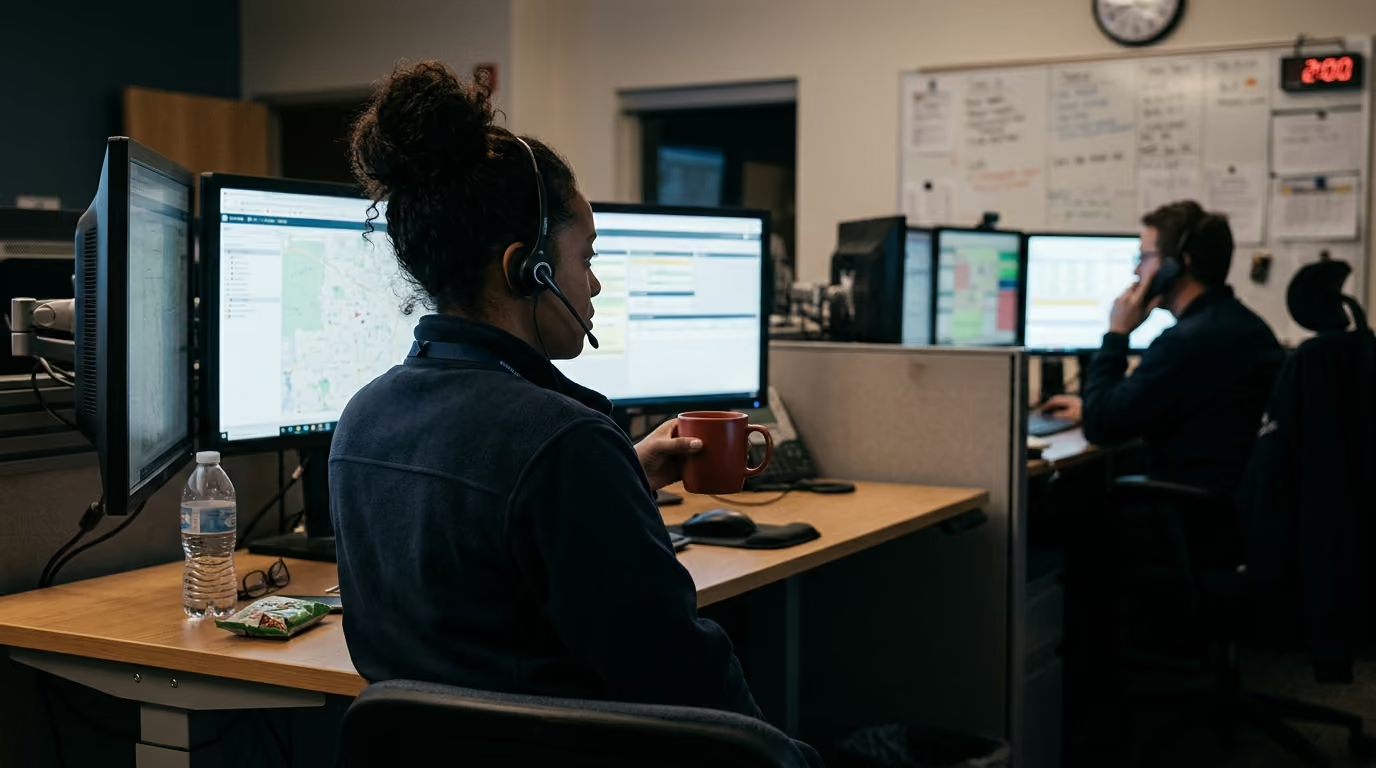

A 30 percent increase in overnight injury rates highlights why night workers need structured sleep prep, strategic light exposure, and evidence-based fatigue management.





Many shift workers search for how to stay awake on night shift without crashing. Relying solely on large doses of caffeine or pure grit often leads to jitteriness, digestive distress, and severe mid-shift energy drops. Managing nocturnal alertness requires a biological system rather than a stimulant habit. This comprehensive resource explains how light, strategic movement, structured rest, task rotation, and proper fueling work together to maintain sharp cognitive function across any overnight schedule.
Alertness during overnight work depends on controlling sleep debt and circadian timing together. A reliable fatigue management plan combines protected daytime sleep, timed light exposure, short physical activity intervals, scheduled meals, and controlled caffeine use. When these layers operate together, they protect your decision-making, physical safety, and long-term health.
Human physiology runs on an internal 24-hour cycle directed by the central circadian clock in the hypothalamus. This biological pacemaker regulates core body temperature, hormone production, digestive enzyme secretion, and cognitive alertness. Under normal daylight conditions, the body releases cortisol in the morning to promote wakefulness and melatonin in the evening to prepare for sleep. Working through the night forces the central nervous system to operate in direct opposition to these underlying rhythms.
Fatigue on night shift stems from two distinct biological forces. The first force is homeostatic sleep pressure, which builds continuously with every hour of wakefulness. The second force is circadian sleep drive, which oscillates according to your internal clock regardless of how long you have been awake. When you work overnight, high homeostatic sleep pressure converges with the lowest point of your circadian cycle.
The biological drive for sleep reaches its absolute peak between 2 a.m. and 5 a.m. for people adapted to daytime schedules. During this window, core body temperature drops to its lowest point, and reaction times slow substantially. Memory consolidation and executive processing decline during these hours. Even a worker who obtained eight hours of sleep before the shift will experience reduced vigilance during this biological window.
Understanding the difference between sleepiness, fatigue, and shift work disorder is essential for operational safety. Sleepiness describes the acute biological tendency to fall asleep in a given moment. Fatigue represents a broader physical and mental depletion characterized by slower processing, reduced situational awareness, and muscle weakness. Shift work disorder is a formal clinical condition characterized by recurring insomnia or excessive sleepiness lasting at least three months, specifically linked to a work schedule that overlaps standard rest hours.
Occupational health research demonstrates that working against the biological clock carries measurable safety consequences. According to data published by the Occupational Safety and Health Administration, injury rates are approximately 18% higher during evening shifts and 30% higher during night shifts compared to standard day shifts. These elevated accident rates reflect the combined impact of reduced staffing, cumulative sleep loss, and the natural nocturnal dip in human cognitive performance.
The length of the shift magnifies these baseline risks. Research compiled by the National Institute for Occupational Safety and Health indicates that the ninth through twelfth hours of work show marked decreases in alertness and vigilance. Working beyond eight hours produces a measurable rise in fatigue-related errors and physical injuries. In high-consequence environments, these cognitive impairments can affect critical procedural steps, equipment operation, and vehicle control.
Commuting after extended night shifts presents one of the most severe hazards of shift work. A landmark investigation involving 2,737 medical personnel demonstrated that every additional extended shift scheduled in a month increased the monthly risk of a motor vehicle crash during the commute home by 16.2%. The post-shift drive occurs precisely when accumulated homeostatic sleep debt intersects with rising morning fatigue, making the drive home an extension of workplace risk.
The American Academy of Sleep Medicine notes that roughly 20% of the working population participates in non-traditional shift arrangements. Clinical estimates indicate that shift work disorder affects approximately 27% of shift workers, though stricter criteria place the rate between 5% and 10%. The evidence supporting multi-layered fatigue management is strong. Studies consistently show that combining strategic napping, timed lighting, and controlled meal schedules yields significantly better alertness than relying on willpower or stimulants alone.
First responders, including police officers, firefighters, and emergency medical personnel, face fatigue challenges that standard industrial workers rarely encounter. Emergency service shifts are defined by erratic operational tempo, moving abruptly from quiet station monitoring to high-stress calls. This unpredictable rhythm causes rapid swings between extreme sympathetic nervous system activation and post-adrenaline exhaustion.
Equipment load and environmental extremes compound biological sleep pressure on duty. Structural firefighting gear, law enforcement duty belts, and ballistic vests add substantial physical burden. Operating in extreme summer heat or winter cold accelerates metabolic depletion and dehydration. These physical stresses make the body work harder to maintain baseline cognitive function during late-night operations.
Extended sedentary periods in patrol vehicles or dispatch chairs present another hidden risk factor. Prolonged sitting encourages muscle stiffness and dulls sensory vigilance, especially during the quiet hours between calls. Implementing active strategies like a between-call physical reset helps clear residual physical tension, restores circulation, and prepares the nervous system for sudden task demands.
First responders cannot simply pause an active emergency when fatigue sets in. Paramedics performing medication calculations at 4 a.m. and patrol officers operating emergency vehicles during pursuit scenarios must maintain cognitive accuracy. Understanding how to manage physical readiness through systematic fatigue protocols ensures that individual responders do not rely on raw effort to stay safe.
Building overnight stamina begins long before reporting for duty. The primary foundation of night-shift alertness is the main sleep episode taken during the day. Daytime sleep is notoriously fragile because ambient light, neighborhood noise, and daytime household activity constantly threaten sleep architecture. Responders should establish a dark, cool, and quiet sleep environment using blackout curtains, eye masks, and white noise machines to protect restorative slow-wave and REM stages.
Strategic napping serves as a powerful operational tool to bolster daytime sleep. Research from NIOSH demonstrates that a 1.5-hour nap taken in the late afternoon or early evening substantially improves alertness during the latter half of a night shift. A 90-minute rest window allows the brain to complete a full sleep cycle, including deep physical recovery and light sleep, without waking from deep slow-wave stages.
Developing a customized shift sleep plan helps structure these rest opportunities around family obligations and departmental shift rotations. When time is constrained before reporting, a shorter 20-minute rest period can take the edge off baseline fatigue without causing severe grogginess.
Sleep inertia is the temporary period of grogginess, slowed cognition, and disorientation that occurs immediately after waking. Waking from deep slow-wave sleep produces intense sleep inertia that can severely impair performance for 15 to 30 minutes. To clear sleep inertia quickly, wash your face with cold water, expose your eyes to bright light, and move actively before assuming safety-critical duties.
Light is the primary environmental signal, known as a zeitgeber, that synchronizes the human master clock. Light entering the eye strikes specialized intrinsically photosensitive retinal ganglion cells, which signal the brain to suppress melatonin and elevate core temperature. Using light strategically allows night workers to increase immediate alertness while managing circadian adaptation.
During the initial half of the shift, bright, broad-spectrum light helps maintain cognitive vigilance. Workstations, station dayrooms, and report-writing areas should be illuminated with high-intensity light to promote alertness. Portable task lights or high-lux overhead fixtures provide acute neurobiological stimulation that counters evening drowsiness.
As the shift progresses past 4 a.m. light strategy must shift based on the worker's upcoming sleep plans. If you need to sleep immediately upon returning home, exposure to bright morning sunlight will suppress melatonin and make daytime rest difficult. Responders who manage their nighttime light exposure protect their cardiovascular health and preserve daytime sleep quality.
Using sunglasses during the morning commute requires practical judgment. If a worker feels dangerously drowsy behind the wheel, bright ambient light is necessary to stimulate alertness for safe driving. Protecting daytime sleep quality must never take priority over arriving home alive. If extreme drowsiness occurs on the road, pull into a safe parking area immediately rather than relying on dark lenses or open windows.
Physical movement provides immediate stimulation to the central nervous system by increasing blood circulation, elevating heart rate, and activating proprioceptive pathways. Sedentary positions accelerate fatigue by reducing muscular contraction and lowering metabolic output. Implementing brief, structured physical activity intervals can quickly restore alertness during monotonous night duties.
NIOSH occupational research shows that frequent short breaks are far more effective at combating fatigue than a single long rest period. Taking a two-minute to five-minute active break every 60 to 90 minutes prevents the progressive accumulation of mental fog. Climbing several flights of stairs, performing dynamic bodyweight squats, or taking a brisk walk through the facility rapidly increases systemic blood flow.
Physical movement breaks must be integrated safely into the operational environment. Movement should occur during natural workflow transitions rather than during safety-sensitive procedures or critical communications. When working in pairs, team members should alternate their physical resets to maintain continuous situational awareness and area coverage.
Responders who monitor their training loads understand that duty readiness requires careful physical balance. Overexerting yourself with intense workouts during a night shift can backfire and accelerate physical fatigue. Using autoregulation principles in training ensures that physical activity supports overnight alertness without depleting your muscular energy reserves.
Night-shift nutrition is fundamentally constrained by circadian biology. During the overnight hours, the pancreas reduces insulin production, gastrointestinal motility slows down, and lipid processing becomes less efficient. Consuming large, carbohydrate-dense meals between midnight and 6 a.m. causes substantial glucose fluctuations, gastrointestinal distress, and profound post-meal sleepiness.
Applying time-restricted eating strategies helps minimize digestive and metabolic strain across irregular shifts. Responders should front-load their nutritional intake before the shift begins and keep overnight snacks light, protein-focused, and low in glycemic index. Good overnight food choices include boiled eggs, cottage cheese, pumpkin seeds, sliced turkey, and raw vegetables.
Dehydration directly contributes to mental fatigue, headaches, and slowed reaction times. NIOSH workplace guidelines advise drinking fluids consistently throughout the shift rather than waiting until thirst develops. Working in dry, climate-controlled environments or wearing heavy protective gear accelerates unnoticeable fluid losses that quickly impair cognitive function.
Caffeine is a proven alertness countermeasure when used with precision rather than desperation. Caffeine functions by binding to adenosine receptors in the brain, temporarily blocking the sensation of sleep pressure. However, caffeine has an elimination half-life of roughly five to seven hours, meaning a midnight energy drink will remain in your system during daytime sleep attempts.
Applying structured caffeine management ensures that stimulants help your shift without ruining morning recovery sleep. The most effective approach is consuming low-to-moderate doses of caffeine (50 to 100 mg) early in the shift and cutting off all stimulant intake at least six hours before your planned bedtime.
Monotony is a significant contributor to night-shift cognitive failure. Performing repetitive monitoring, prolonged data entry, or continuous low-speed vehicle patrols can induce passive fatigue, where a worker remains technically awake but fails to register sensory inputs. The brain requires novel stimuli to maintain active cognitive focus during overnight hours.
Workplaces should implement structured task rotation to prevent single-operator cognitive fatigue. Rotating personnel between passive monitoring and active physical tasks every 60 to 90 minutes restores baseline attention. High-consequence calculations, such as pediatric medication dosages or complex tactical planning, should never be left to an isolated, unmonitored individual during the circadian low.
Social interaction provides a low-cost, natural alertness booster. Brief conversations with colleagues stimulate executive brain regions and help identify subtle signs of cognitive impairment. Station crews and field partners should maintain periodic communication checks, using verbal confirmation protocols for critical tasks during the 2 a.m. to 5 a.m. window.
Managing fatigue requires clear rules for when a worker is no longer safe to perform duty tasks. Fatigue impairs self-assessment, meaning that an exhausted individual is often the last person to recognize their own cognitive deficits. Establishing objective operational tripwires removes the stigma from fatigue reporting and protects the entire team.
Recognizing early warning signs allows workers to intervene before an error occurs. These indicators must be treated as biological data rather than personal weaknesses.
When severe impairment appears, workers must escalate through defined steps. Continuing to operate emergency vehicles or administer medications while experiencing microsleeps is dangerous. The appropriate response is stepping down from safety-critical duties, requesting relief, and utilizing a designated recovery space.
The drive home after a night shift is a hazardous part of the work schedule. Drowsy driving exhibits cognitive impairments similar to operating a vehicle under the influence of alcohol. Responders should establish a clear commute safety protocol before their shift starts.
Different shift arrangements create distinct physiological stresses. Forward-rotating schedules (morning to evening to night) align better with human circadian biology than backward-rotating patterns. When schedules rotate forward, the natural 24.2-hour human biological clock adjusts more smoothly, minimizing sleep disruption and occupational stress.
Twelve-hour night shifts present high cognitive and physical loads. Performing extended tours requires strict limits on voluntary overtime, mandatory rest periods between consecutive shifts, and scheduled breaks during the second half of the tour. Personnel transitioning onto night shifts for the first time require formal orientation on sleep hygiene, meal planning, and fatigue mitigation.
Certain health conditions interact directly with shift work. Individuals with diabetes, gastrointestinal disorders, cardiovascular disease, or mood conditions face heightened operational challenges overnight. Medication schedules must be adjusted carefully with a healthcare provider, because altered wake-sleep cycles change drug metabolism and therapeutic timing.
Shift work disorder and obstructive sleep apnea are common, treatable medical conditions. If severe sleepiness or insomnia persists despite following sound sleep practices, seek an evaluation from a board-certified sleep specialist or occupational health physician. Clinical treatments, including cognitive behavioral therapy for insomnia, chronotherapy, or prescription interventions, can restore long-term health and operational readiness.
Transitioning from theory to real-world application requires practical, incremental steps. Use this checklist to upgrade your night-shift fatigue management system over the coming week.
Sustaining a long, healthy career on night shift requires treating fatigue as an operational reality that demands layered biological countermeasures rather than personal endurance. Protecting your daytime sleep, timing your light and nutrition, and recognizing your cognitive limits preserves your day-to-day safety and guards your long-term health.
Stay connected for research-led guidance on duty fitness, shift-work sleep, injury recovery, stress, nutrition and career longevity. Practical ideas for first responders who want to stay capable on the job, recover well and protect their health for the long run.



Read practical guidance on first responder fitness, recovery, sleep, nutrition and resilience for demanding work and a long, active career.
read the blog



